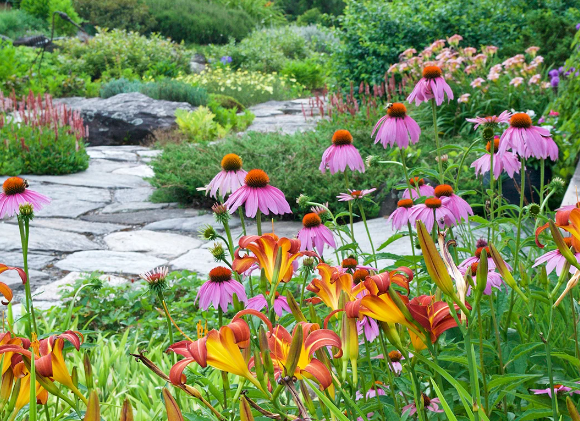
Creating a year-round pollinator garden is a rewarding endeavor that can support local ecosystems while adding beauty to your outdoor space. By thoughtfully selecting plants, you can provide food and habitat for bees, butterflies, and other beneficial insects throughout all seasons. Here are some ideas to help you get started and maintain a thriving garden that attracts pollinators year-round.
1. Selecting the Right Plants
The foundation of any successful pollinator garden lies in choosing the right plants. Aim for biodiversity by selecting a variety of flowering species that bloom at different times throughout the year. Native plants are particularly beneficial because they offer the nectar and pollen that local pollinators have evolved to use. For example, plants like coneflower and black-eyed Susan attract butterflies in the summer, while asters and goldenrod provide late-season food sources.
In addition to native flowers, consider incorporating herbs such as lavender, mint, and sage, which not only attract pollinators but can also be used in your cooking! Grouping flowers in clusters rather than scattering them makes it easier for pollinators to locate them. A well-planned garden will feature early bloomers, summer staples, and late-season flowers to provide sustenance throughout the year.
-
- Choose native plants for your region.
-
- Include a mix of flowers, herbs, and shrubs.
-
- Group plants in clusters for easier access.
-
- Plan for a mix of early, mid, and late bloomers.
-
- Research specific pollinators in your area to attract.
2. Creating Habitats for Pollinators
Supporting pollinators goes beyond just planting flowers; providing suitable habitats is equally important. Many pollinators, particularly solitary bees, require places to nest. You can create nesting sites using materials like bamboo canes, untreated wood, or even leaving patches of bare soil for ground-nesting bees. Log and brush piles can also offer shelter, encouraging a wider variety of pollinators to visit your garden.
Water sources are essential as well. A shallow water dish with pebbles allows pollinators to hydrate safely without the risk of drowning. By combining various nesting options with blooming plants, you can create a welcoming environment that supports a diverse range of pollinators. Establishing these habitats will make your garden a hub of activity and provide an ongoing source of life and movement.
-
- Incorporate nesting materials like bamboo and wood.
-
- Leave bare patches of soil for ground-nesting bees.
-
- Create water sources using shallow dishes with pebbles.
-
- Avoid using pesticides that harm beneficial insects.
-
- Consider adding features like rocks or logs for shade.
3. Seasonal Maintenance Tips
To keep your pollinator garden thriving year-round, regular maintenance is key. During the spring, it’s essential to clean up winter debris but avoid cutting back all perennials until early spring; many pollinators overwinter in their stems. Regular weeding is important for ensuring that your plants have enough space and nutrients to flourish. Maintaining healthy soil through composting or mulching can help support your pollinators’ habitat.
In the summer, monitor for pests and diseases, but be cautious with treatments; many insecticides can harm pollinators. Watering your plants during dry spells will keep them blooming into fall, which in turn provides vital resources for late-summer pollinators preparing for winter. As the seasons change, your garden will also require tweaks; allowing some plant materials to stay intact through winter will offer additional shelter for overwintering insects.
-
- Clean up garden debris each spring without over-pruning.
-
- Mulch to retain soil moisture and prevent weeds.
-
- Watch for pests but choose pollinator-friendly treatments.
-
- Water regularly during dry spells to sustain blooms.
-
- Leave some plant material standing for winter shelter.
4. Educating Others About Pollinators
As you cultivate your year-round pollinator garden, consider sharing your knowledge with others in your community. Education can significantly enrich your gardening experience and promote environmental awareness. Host workshops or garden tours to teach friends, family, and neighbors about the importance of pollinators and how they can create their own gardens. Getting people involved can help nurture a community-wide appreciation for these valuable insects.
Utilizing social media platforms or community boards to share tips, photos, and the benefits of your pollinator garden can inspire others. You might even collaborate with local gardening groups or schools to create a seed-sharing program or plant swap that promotes biodiversity. The more people who understand the impact of their gardening choices, the more support there will be for pollinator conservation.
-
- Host workshops or community garden tours.
-
- Share photos and tips on social media.
-
- Collaborate on programs with local gardening groups.
-
- Create a seed-sharing or plant-swap event.
-
- Engage schools to teach students about pollinators.
Creating a year-round pollinator garden is not only beneficial for the environment but also enriching for you as a gardener. By selecting the right plants, providing suitable habitats, maintaining your garden effectively, and educating others, you can make a significant contribution to local ecosystems. Start planning your pollinator-friendly space today and watch the beauty of nature unfold right before your eyes!