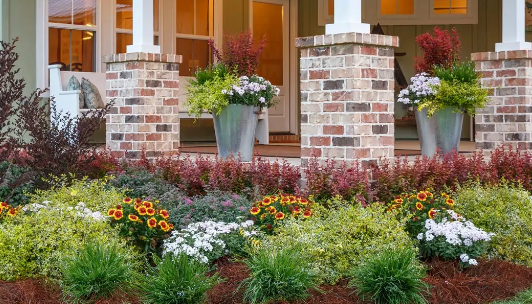
How to Mix Annuals and Perennials in Cottage Gardens
Creating a vibrant cottage garden can be a delightful and rewarding endeavor. Mixing annuals and perennials is a great way to achieve a lush and varied landscape that offers continuous blooms throughout the season. This blog post will guide you through the essentials of combining these types of plants, ensuring your garden remains colorful and interesting year after year.
1. Understanding the Differences Between Annuals and Perennials
To successfully blend annuals and perennials, it’s essential to grasp their unique characteristics. Annuals complete their life cycle in one growing season, often providing quick bursts of color. Perennials, on the other hand, return year after year, growing roots and foliage that can thrive in various weather conditions. Using both types in your garden not only creates a diverse aesthetic but also offers the chance for seasonal variety; annuals can fill the gaps left by perennials while they are dormant.
2. Creating Balanced Plant Combinations
When selecting plants for your cottage garden, consider choosing a mix of both annuals and perennials that complement each other. Pairing low-growing perennials like creeping thyme with taller annuals such as cosmos can add layers to your design. Additionally, think about coloration and blooming times; use annuals that bloom in spring to kickstart the garden and perennials that flower later in the season to maintain interest. This combination creates a dynamic space, filling in visual gaps and ensuring there’s always something in bloom.
3. Planning for Seasonal Change
One of the joys of a cottage garden is its ability to evolve with the seasons. When planning your layout, think about how your plants will change throughout the year. Rarely do perennials bloom continuously, but by incorporating early-blooming annuals along with later-flowering perennials, you create a smooth transition of colors. For example, if you plant zinnias to bloom in late summer next to echinacea that flowers in spring, you’ll sustain visual interest. Additionally, consider incorporating foliage plants or grasses as structural elements to enhance the aesthetic during off-bloom periods.
In conclusion, mixing annuals and perennials in your cottage garden is a fantastic way to ensure a vibrant and changing landscape. By understanding the differences between these plant types, creating balanced combinations, and planning for seasonal change, you’ll cultivate an eye-catching garden that thrives all year long. Don’t hesitate to explore new plant varieties and techniques; there’s no limit to the beauty you can create! Happy gardening!