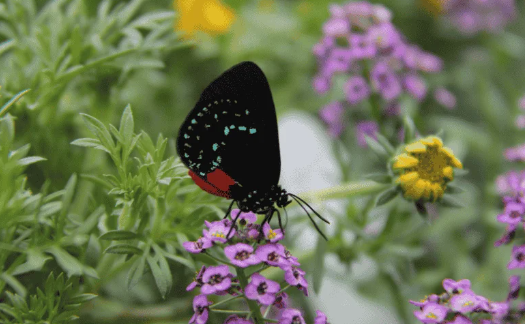
Creating a butterfly garden is a delightful way to support local ecosystems and enjoy the beauty of these amazing insects. One essential element in a successful butterfly garden is choosing the right shelter plants. These plants not only provide a habitat for butterflies but also create a welcoming environment for various beneficial insects.
1. Importance of Shelter Plants
Shelter plants play a crucial role in a butterfly garden by offering protection from predators and harsh weather. They provide natural cover where butterflies can rest, hide from rain, or seek refuge from strong winds. The right selection of shelter plants can effectively increase the diversity and population of butterflies in your garden.
In addition to protection, shelter plants serve as feeding stations for larvae and adult butterflies. Many caterpillars require specific host plants to thrive, while adult butterflies sip nectar from flowers. Incorporating a variety of shelter plants can support both the caterpillar and adult stages of butterflies, fostering a balanced ecosystem in your garden.
-
- Choose native plants to ensure adaptability and resilience.
-
- Include a mix of evergreens and deciduous plants for year-round shelter.
-
- Plant in clusters to create dense areas for better protection.
-
- Consider the sunlight and wind exposure of your garden area.
2. Recommended Shelter Plants
When selecting shelter plants, consider varieties known for their butterfly-friendly qualities. Some excellent options include shrubs like butterfly bush (Buddleja) and asters, which are popular for their nectar-rich flowers. Additionally, semi-woody plants like elderberry (Sambucus) not only provide shelter but also produce edible fruits that attract various wildlife.
Another great choice is the milkweed (Asclepias), especially if you’re aiming to attract monarch butterflies. With its distinctive flowers and unique leaf structure, milkweed serves as a host plant for monarch caterpillars. Moreover, selecting a diverse array of flowering plants will enhance the visual appeal of your garden while also providing food for adult butterflies.
-
- Research local native plants for best results.
-
- Combine flowering species with taller shrubs for layered shelter.
-
- Monitor soil conditions to choose compatible plants.
-
- Plant in groups to create microclimates for butterflies.
3. Maintenance and Care for Shelter Plants
Caring for your shelter plants is crucial in ensuring they remain healthy and effective for supporting butterflies. Regular watering, especially in dry spells, will help establish your plants. Mulching can also assist in retaining soil moisture and providing insulation for roots, making it easier for your plants to thrive.
Pruning spent flowers and dead wood will help improve air circulation and prevent disease. This practice can also encourage new growth, making the plants even more appealing to butterflies. An annual check-up on your plants, along with pest management using organic methods, can lead to a lush and vibrant butterfly garden.
-
- Water consistently, especially during dry seasons.
-
- Use organic mulch to conserve moisture and suppress weeds.
-
- Prune back plants in early spring to promote new growth.
-
- Look for signs of pests and treat them organically.
4. Creating a Diverse Habitat
A butterfly garden is more than just flowers and bushes; it requires a variety of plant types to attract different butterfly species. Including nectar plants, host plants, and shelter plants creates a multi-faceted habitat. This diversity not only supports butterflies but also attracts other beneficial insects like bees and ladybugs.
Consider adding ground covers and grasses as part of the shelter plants to create varied levels in your garden. These lower-growing plants offer excellent refuge for butterflies and their larvae. Additionally, incorporating soil and water features can attract more wildlife, enriching the overall biodiversity of your garden.
-
- Add ground covers for additional shelter.
-
- Include different flowering periods to attract butterflies throughout the seasons.
-
- Provide water sources like shallow dishes or puddling areas.
-
- Consider employing organic practices for pest control to keep your ecosystem healthy.
Transforming your outdoor space into a butterfly-friendly habitat is a rewarding project that benefits both you and the ecosystem. By incorporating carefully selected shelter plants and maintaining a diverse environment, you can create a vibrant sanctuary for butterflies and other pollinators. Start your butterfly garden today and enjoy the rewards of watching nature thrive!