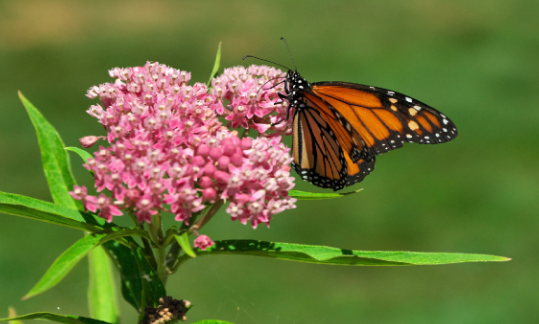
Bees and butterflies play vital roles in pollination, supporting the biodiversity of our gardens and natural habitats. By planting specific flowers, you can create a welcoming environment for these essential pollinators. This guide will introduce you to several varieties of flowers that attract bees and butterflies.
1. Native Wildflowers
Native wildflowers are an excellent way to attract both bees and butterflies. Plants that are indigenous to your area are often better suited to the local climate, soil, and pollinator species. For instance, in North America, offerings such as coneflowers, black-eyed Susans, and bee balm can create a vibrant habitat that encourages pollinator activity.
These plants not only bloom beautifully but also provide essential nectar and pollen sources for bees and butterflies. The varied sizes and shapes of flowers cater to different types of pollinators. Moreover, growing native plants helps sustain the local ecosystem, promoting biodiversity.
-
- Choose at least three varieties of native wildflowers.
-
- Plant in clusters for maximum impact.
-
- Avoid hybrid or non-native species that may not attract local pollinators.
-
- Research your area’s specific native plants for best results.
2. Perennial Flowers
Perennial flowers come back year after year, providing a sustained source of nectar and pollen. Popular perennials like lavender, daisies, and hostas are not only beautiful but are also known for attracting a variety of pollinators. The long blooming period of many perennials allows for consistent food availability throughout the growing season, making your garden a reliable feeding ground.
Besides their pollinator-attracting capabilities, perennials require less maintenance than annuals once established. By incorporating a mix of early-, mid-, and late-blooming perennials, you can create a garden that continuously supports bees and butterflies. This thoughtful variety will contribute to a healthier ecosystem in your garden.
-
- Select a mix of perennials that flower at different times.
-
- Ensure proper spacing for air circulation and better growth.
-
- Deadhead spent flowers to encourage more blooms.
-
- Consider adding mulch to retain moisture and suppress weeds.
3. Fragrant Herbs
Fragrant herbs not only enhance kitchen dishes but also attract pollinators with their delightful scents and flowers. Plants like basil, mint, and thyme bloom with small but attractive flowers that are especially appealing to bees and butterflies. The fragrance of these herbs serves dual purposes: culinary enjoyment for humans and sustenance for pollinators.
Moreover, cultivating these herbs can be an excellent way to maximize garden space. Many herb plants thrive in smaller spaces and require minimal care. By intermingling these fragrant herbs within your flower beds, you create an aromatic environment that enriches your garden’s aesthetic and supports local wildlife.
-
- Plant herbs in well-drained soil with plenty of sunlight.
-
- Opt for both annual and perennial herb varieties.
-
- Harvest regularly to promote new growth and flowering.
-
- Ensure that herbs are grown organically to protect pollinators.
4. Flowering Shrubs
Flowering shrubs add structure and depth to any garden while offering a haven for pollinators. Plants like butterfly bushes, azaleas, and viburnums produce an abundance of flowers rich in nectar. These shrubs can transform ordinary spaces into wildlife-friendly zones while providing essential shelter for bees and butterflies.
Flowering shrubs often take up more vertical space, making them particularly useful in smaller gardens. They can also provide a backdrop for smaller flowers, creating a layered, visually appealing landscape. Furthermore, many flowering shrubs bloom at different times, ensuring that there is always something for pollinators to visit throughout the season.
-
- Choose flowering shrubs that are native to your region.
-
- Group them based on their blooming seasons for better pollinator attraction.
-
- Trim after blooming to encourage bushier growth.
-
- Make sure to plant them where they can receive adequate sunlight.
5. Annual Flowers
Annual flowers can provide vibrant color and prolonged beauty in your garden while also attracting various pollinators. Marigolds, zinnias, and cosmos are a few popular choices that are easy to grow and maintain. Their vivid colors and varied flower shapes draw both bees and butterflies, turning your garden into a lively spot full of activity.
While annuals need to be replanted each year, they generally bloom for an extended period, offering a rich source of food for pollinators. By combining annuals with perennials and shrubs, you can create a dynamic garden that contributes to a healthy ecosystem while also being aesthetically pleasing.
-
- Plant annuals in succession to extend the blooming season.
-
- Include a variety of colors and shapes to appeal to different pollinators.
-
- Read labels and choose non-GMO varieties for better environmental impact.
-
- Water regularly but avoid overly soggy conditions.
Incorporating these flowers into your garden will not only beautify your space but also create a vital habitat for bees and butterflies. By making conscious choices about the plants you cultivate, you contribute to the health of pollinator populations and your local ecosystem. Start planting today and enjoy the wonderful benefits of a pollinator-friendly garden!