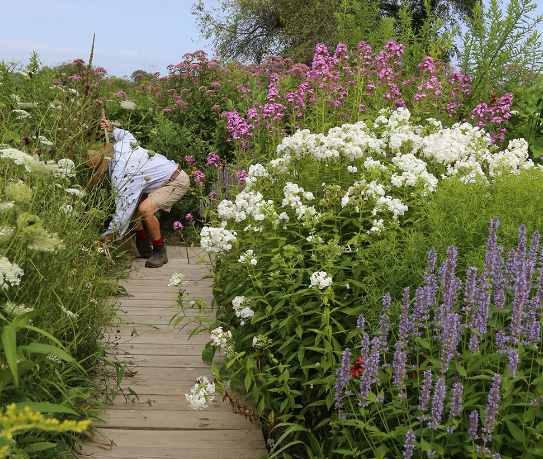
Creating a pollinator garden doesn’t have to be a complex task. With just a few simple ideas and some thoughtful planning, you can attract bees, butterflies, and other vital pollinators to your outdoor space. Let’s explore some easy pollinator garden ideas that anyone can implement.
1. Choose the Right Plants
Selecting the right plants is crucial for attracting pollinators. Native plants are generally the best choice since they have evolved alongside local pollinators and require less maintenance. Consider flowering plants such as coneflowers, black-eyed Susans, and milkweed, as these provide nectar and pollen throughout the growing season.
Mixing different plant heights can also create a more inviting environment for pollinators. Taller plants can provide shelter while shorter plants allow for easier access to nectar. Ensure there’s a sequence of blooms from early spring to late fall to offer food sources throughout the year.
-
- Choose at least three types of native flowers.
-
- Plant in clusters rather than single plants for better attraction.
-
- Incorporate a variety of colors to appeal to various pollinators.
-
- Include both annuals and perennials for continuous blooms.
2. Create Shelter and Water Sources
Pollinators need more than just food; they also require shelter and water. Adding elements like small brush piles or natural nesting materials can offer resting spots and habitats for solitary bees and other beneficial insects. Even a simple rock or log can provide safety and warmth for these creatures.
Water sources, such as shallow dishes with pebbles or birdbaths, are essential too, especially during dry spells. Ensure the water is shallow enough for insects to land without drowning, and change it regularly to keep it clean and fresh.
-
- Designate a corner of your garden for shelter materials.
-
- Use untreated wood or straw for bee habitats.
-
- Keep water sources out of direct sunlight to avoid overheating.
-
- Place pebbles in water sources for easier access.
3. Minimize Pesticide Use
Reducing or eliminating pesticide use is vital in creating a healthy environment for pollinators. Many commonly used pesticides can harm bees and butterflies, often decimating whole populations. Instead, opt for natural pest control methods, such as introducing beneficial insects like ladybugs or using Neem oil for on-site pest issues.
Consider hand-picking pests or using traps. Moreover, educating yourself about integrated pest management can provide additional strategies that balance gardening with ecological health. It also pays to read labels carefully if you must use chemical products to ensure they are as safe as possible for pollinators.
-
- Research organic alternatives to traditional pesticides.
-
- Create a balance in your garden by introducing beneficial insects.
-
- Monitor your plants regularly for pests.
-
- Understand the life cycles of plants to minimize damage.
4. Add A Variety of Habitats
Incorporating diverse habitats can greatly enhance your pollinator garden. A mix of open areas, shaded spots, and varying soil types can attract a broader array of pollinators. Planting within the garden’s landscape—such as allowing some areas to grow wild or having patches of bare soil—will create an inviting zone for various species.
This variety not only helps with food availability but also provides different microenvironments that certain pollinators prefer. For instance, ground-nesting bees require bare soil, while other insects may need sheltered spots among leaves or under branches.
-
- Group similar plants together to create microhabitats.
-
- Leave some areas of your garden unmanicured for wild growth.
-
- Mix soil types to attract different ground-nesting pollinators.
-
- Incorporate rocks and logs to create diverse environments.
5. Educate Others
Sharing your knowledge and love for pollinator gardens can amplify your impact on local ecosystems. Encourage friends and family to start their own pollinator gardens or offer to help educate your community about their importance. Creating awareness about the role of pollinators in our food systems and natural environments fosters a shared commitment to protecting them.
Organizing or participating in community events, workshops, or local garden tours can also inspire others. Providing resources like pamphlets with plant recommendations or hosting events focused on building pollinator garden features will help promote this valuable cause.
-
- Host garden tours to inspire others.
-
- Create brochures with tips on starting a pollinator garden.
-
- Share your experiences on social media.
-
- Volunteer in local conservation projects focusing on pollinators.
By implementing these easy pollinator garden ideas, you can contribute significantly to enhancing the local ecosystem. Every little effort counts toward protecting our essential pollinators, so don’t hesitate to get started on your beautiful garden today!