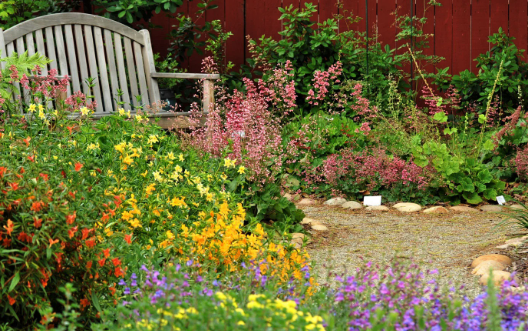
If you’re looking to create a vibrant and buzzing landscape, a bee garden is the perfect project. Not only will you support local bee populations, but you’ll also enjoy the beauty of diverse flowers and plants in your yard. This guide will help you select the best plants to attract and nourish these essential pollinators.
1. Choosing the Right Flowers
When designing your bee garden, not all flowers are created equal. Bees are particularly attracted to native plants, which provide the most accessible and nutritious food sources for them. Consider incorporating flowering plants that bloom throughout various seasons to ensure a continuous food supply and to create a visually appealing garden.
Examples of great flowers for attracting bees include coneflowers, black-eyed Susans, and lavender. Each of these plants not only provides essential nectar and pollen, but they also come in different colors and heights, adding depth and interest to your garden design. Make sure to research which plants thrive in your local climate and soil conditions for the best results.
-
- Choose native flowering plants that are adapted to your local ecosystem.
-
- Opt for a variety of blooms that flower at different times of the year.
-
- Include both single and double flower types; bees are attracted to single flowers.
-
- Incorporate many types of plants to offer different shapes and colors.
2. Creating a Bee-Friendly Environment
In addition to planting bee-attractive flowers, creating an environment that supports bee life is crucial. Bees need a safe space to nest and find shelter. Leave some areas of your garden undisturbed, or consider adding a bee hotel to attract solitary bees, which can be beneficial for pollination.
Incorporating diverse habitats, such as tall grass patches or dead wood, can provide additional nesting sites for various bee species. Ensuring access to clean water sources, like small birdbaths with stones for landing, can significantly enhance your garden’s appeal to bees.
-
- Leave bare patches of soil for ground-nesting bees.
-
- Introduce a bee hotel to attract solitary bees.
-
- Provide shallow water sources with landing pads.
-
- Avoid chemical pesticides that can harm bee populations.
3. Maintaining Your Bee Garden
Maintaining a bee garden involves regular care and mindful practices to ensure the health of both the plants and the bee population. Regular watering is essential, particularly during dry spells, as bees are more likely to visit well-hydrated plants. Additionally, try to mulch around your plants to retain moisture and prevent weeds that could compete for resources.
Pest management should also be integrated into your maintenance routine. Instead of resorting to chemical solutions, consider organic and natural pest control methods. Planting companion flowers can deter unwanted pests while attracting beneficial insects, creating a balanced ecosystem within your garden.
-
- Regularly check for pests and employ organic management techniques.
-
- Water your plants adequately, especially during dry periods.
-
- Mulch to conserve moisture and suppress weeds.
-
- Rotate the types of plants you grow annually for soil health.
By following this guide, you can create an inviting bee garden that not only attracts these vital pollinators but also enhances your outdoor space. Remember that every plant choice and garden feature contributes to the health of local bee populations, making your gardening efforts environmentally significant.
In conclusion, embarking on this bee garden project offers an enriching experience for you and your community. Start small, observe nature, and gradually expand your garden to support these incredible pollinators. Happy gardening!