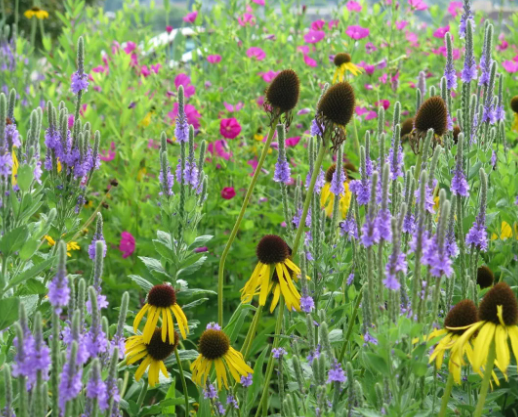
Wildflower gardens are not just a feast for the eyes; they serve an essential function in supporting local ecosystems, especially pollinators. By creating a wildflower garden, you contribute to the survival of bees, butterflies, and many other important species.
1. Benefits of Wildflower Gardens for Pollinators
Wildflower gardens provide critical habitat and food sources for various pollinators. These gardens are rich in diverse flora that bloom at different times of the year, ensuring that food is available throughout the pollinators’ active seasons. Studies show that pollinator populations thrive in areas with native wildflowers, resulting in enhanced biodiversity and a healthier ecosystem.
Creating a wildflower garden not only fosters a more vibrant ecosystem but also beautifies your space. The colors, shapes, and fragrances of wildflowers can bring joy and tranquility to your home. By attracting pollinators, you’ll also benefit from increased productivity in your vegetable and fruit gardens, as more pollinators mean better fruit and seed development.
-
- Choose a variety of native wildflowers to ensure continual blooms.
-
- Avoid using pesticides that can harm pollinators.
-
- Incorporate different flower heights for varying pollinator access.
-
- Consider the placement of flowers to maximize sun exposure.
2. Selecting the Right Wildflowers
Choosing the right wildflowers is crucial for attracting the right pollinators. Native plants are best suited for your local climate and soil conditions, making them easier to grow and maintain. Research your regional flora to select wildflowers that not only provide nectar but also host plants for caterpillars and other stages of a pollinator’s life cycle.
Some excellent options for wildflowers include coneflowers, black-eyed Susans, and milkweed, which attract a range of pollinators from bees to butterflies. Native wildflowers are adapted to thrive in your specific region, enhancing the chances of success for your garden while supporting local wildlife.
-
- Research local native wildflower species.
-
- Choose flowers that bloom at different times of the year.
-
- Look for flowers that serve as host plants for caterpillars.
-
- Plan a layout that allows for easy maintenance and gardening activities.
3. Maintaining a Wildflower Garden
Maintenance is key to keeping your wildflower garden healthy and vibrant. Unlike traditional gardens, wildflowers often require less watering and fertilizing, provided the plants are native and suited to your environment. Regularly check for invasive species that could outcompete your native blooms, and remove them as soon as possible.
Seasonal care is also important. In spring, you can prepare the garden by sowing new seeds and cutting back last year’s growth to make way for new blooms. In the fall, allowing the flowers to go to seed is vital, as it supports local wildlife and ensures continued growth for the next season.
-
- Regularly check for and remove invasive species.
-
- Cut back old growth in late winter or early spring.
-
- Allow some flowers to go to seed in the fall.
-
- Water during dry spells but avoid overwatering.
4. Engaging with Your Local Community
Engaging with your community can amplify the positive effects of your wildflower garden. Consider hosting workshops or neighborhood events focused on the importance of pollinators and biodiversity. These activities not only raise awareness but can also encourage others to create their wildflower gardens, leading to a collective impact on local ecosystems.
Furthermore, establishing partnerships with local schools or conservation groups can help educate the younger generation about the significance of pollinators. Collaborative community gardens are another way to bring people together while promoting biodiversity; they can serve as educational spaces where everyone benefits from shared knowledge.
-
- Host community planting events in local parks.
-
- Share resources and information through social media.
-
- Collaborate with local schools on educational projects.
-
- Join or form a local environmental group to spread awareness.
In conclusion, wildflower gardens are not only beautiful but also essential for supporting pollinator populations. By creating and nurturing these gardens, you contribute to the health of our ecosystems and encourage others to appreciate and take action for the environment. Start planning your wildflower garden today and be an advocate for local wildlife!