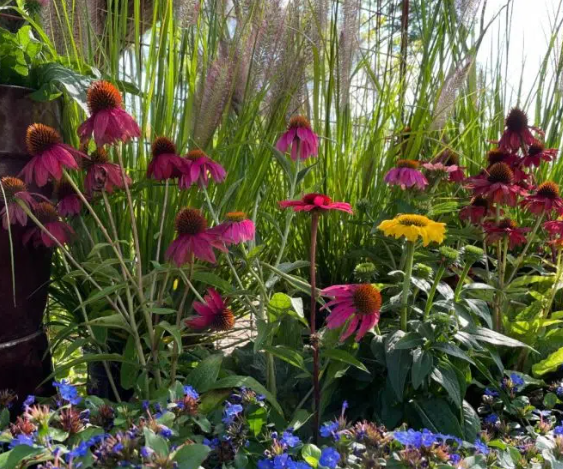
As the days grow shorter and the air turns crisper, many garden enthusiasts may think that flower season is coming to an end. However, fall flowers are not only beautiful; they play a crucial role in supporting pollinator populations as they prepare for winter. Let’s explore which autumn blooms can benefit these essential creatures and how you can incorporate them into your garden.
1. Aster: A Late Bloomer for Pollinators
Asters are one of the best fall flowers for attracting pollinators, particularly bees and butterflies. They bloom from late summer through fall and produce abundant small, daisy-like flowers that are rich in nectar. The various species of asters, such as New England Aster and Michaelmas Daisy, come in different colors, including purple, white, and pink, making them a beautiful addition to any garden.
Planting asters in full sun to partial shade can enhance their growth and flower production. They thrive in well-drained, moist soil and do well when planted in clusters. These clusters not only provide a striking visual contrast in your garden but also create an inviting feast for pollinators looking for food before winter sets in.
-
- Choose a sunny location in your garden.
-
- Plant in clusters to attract more pollinators.
-
- Water regularly to keep the soil moist but well-drained.
-
- Consider diverse species for an extended blooming period.
-
- Avoid pesticides to maintain a healthy pollinator population.
2. Sedum: A Succulent Delight
Sedum, also known as stonecrop, is another excellent choice for fall gardens. These hardy succulents are incredibly low-maintenance and bloom in late summer into early fall, providing vital nectar for pollinators like bees and butterflies just before the frost. With their fleshy leaves and dense flower clusters, sedums add texture to the garden while serving as a food source.
Common varieties such as Autumn Joy and Dragon’s Blood produce clusters of star-shaped flowers in shades of pink, red, and yellow. Planting sedum in rocky or sloped areas can help with drainage and prevent rot. Because they thrive in dry conditions, sedums are perfect for xeriscaping and require minimal watering, making them an eco-friendly choice.
-
- Opt for well-draining soil to prevent root rot.
-
- Group sedum varieties with complimentary plants for a natural look.
-
- Plant in areas with good sunlight for optimal growth.
-
- Use as ground cover to attract pollinators.
-
- Avoid over-watering to maintain plant health.
3. Goldenrod: The Unsung Hero
Often misunderstood and misidentified as an allergen during the fall season, goldenrod is a fantastic fall flower that attracts a myriad of pollinators. With its bright yellow blooms, goldenrod provides valuable nectar for bees, butterflies, and even some species of hummingbirds. This hardy perennial thrives in a range of conditions, making it an easy addition to your garden.
Goldenrod is often seen in meadows and roadside habitats, so it’s perfectly suited to naturalize in informal gardens. It can grow in various types of soil and does well in both full sun and partial shade. By planting goldenrod, you can support local wildlife while benefiting from its low-maintenance care requirements.
-
- Plant in clumps to create a vibrant display.
-
- Choose varieties that suit your garden’s conditions.
-
- Combine with other wildflowers for a natural look.
-
- Consider leaving some stems intact in winter for wildlife habitat.
-
- Harvest seeds in late summer for propagation.
4. Chrysanthemum: The Classic Fall Favorite
No fall garden is complete without the cheerful presence of chrysanthemums, often referred to as mums. These flowers come in a variety of colors and shapes, adding splashes of color just when the garden needs it most. Mums are particularly appealing to late-flying pollinators, offering nectar when other flowers have faded.
While they prefer full sun, mums require consistent watering and well-drained soil to thrive. These beauties are relatively easy to grow, and their vibrant colors can complement other fall plants like ornamental grasses and pumpkins. Additionally, planting a mix of early-, mid-, and late-blooming varieties can extend the flowering season well into late fall.
-
- Choose a variety of colors for a visually pleasing effect.
-
- Water regularly, especially during dry spells.
-
- Pinch back growth in early summer to encourage bushiness.
-
- Cut back after bloom to promote new growth next season.
-
- Check for pests regularly to protect your plants.
In conclusion, planting fall flowers not only enhances your garden beauty but also provides essential support to struggling pollinator populations as they prepare for the colder months. By choosing native and late-blooming species, you can create a vibrant ecosystem that benefits both your local wildlife and your home. Consider consulting local gardening experts or visiting garden centers to explore more options tailored to your environment and pollinator needs.