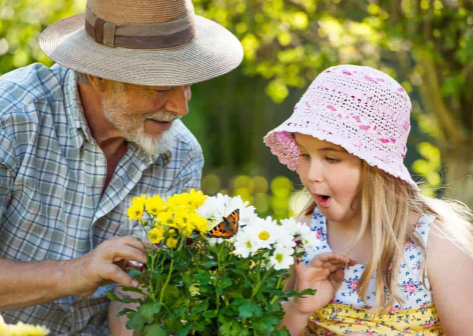
Creating a balcony bee-friendly garden is a fantastic way to support these vital pollinators while enjoying your small outdoor space. With the growing concern over declining bee populations, every little effort counts. This guide will help you design a balcony garden that attracts bees, provides them with nourishment, and enhances your urban environment.
1. Choosing the Right Plants
One of the most important aspects of a bee-friendly balcony garden is selecting the right plants. Bees are particularly attracted to native flowers, which have evolved alongside them. Look for plants that bloom at various times throughout the growing season to provide a continuous food source. Some excellent options include lavender, echinacea, and sunflowers, which all produce nectar and pollen that bees love.
Mixing different types of flowers can also create a visually appealing garden. Try to include short, medium, and tall plants to create layers. Don’t forget to use generous plantings of herbs like thyme, basil, and mint, as these are also popular among bees. Even if space is limited, using containers can achieve a lush, bee-friendly garden.
-
- Choose native flowering plants, as they attract local bee species.
-
- Incorporate a mix of bloom times for a continuous nectar source.
-
- Consider herbs that produce flowers, such as basil and mint.
-
- Utilize vertical gardening techniques to maximize space.
-
- Opt for various plant heights for visual appeal.
2. Creating a Comfortable Habitat
Once the right plants are in place, creating a comfortable habitat for bees is essential. Bees need shelter to protect them from harsh weather conditions and predators. You can help by placing bee hotels on your balcony. These are typically made from natural materials like bamboo or wood and provide nesting sites for solitary bees.
Additionally, avoid pesticides or chemical fertilizers, as these can harm bees and other beneficial insects. Opt for organic compost or natural pest control methods to maintain a safe environment. Providing shallow water sources like a small dish with pebbles can also help, as bees need water for hydration and to dilute nectar.
-
- Install bee hotels to offer nesting opportunities.
-
- Eliminate pesticides and opt for organic gardening methods.
-
- Include shallow water sources like bowls or small dishes.
-
- Keep your garden clean to prevent mold and pests.
-
- Monitor the environment for safe spaces free from chemicals.
3. Engaging with Your Garden
Once your balcony garden is thriving, engaging with it can enhance your experience. Take some time to observe the various bee species visiting your plants, and consider keeping a journal to track their activity. This can help you understand which plants are most popular and when bees are most active.
Consider hosting a small gathering with friends or family to share your bee-friendly practices. You can also participate in local community events that focus on environmental conservation. Education is key, and sharing your balcony garden experience could inspire others to create their own bee habitats.
-
- Spend time observing different bee species in your garden.
-
- Keep a journal to track plant popularity and bee activity.
-
- Educate friends and family about the importance of bees.
-
- Participate in community conservation events.
-
- Share your experiences on social media to inspire others.
In conclusion, establishing a balcony bee-friendly garden not only benefits local bee populations but also enhances your living space. By carefully selecting plants, creating a safe habitat, and engaging with your garden, you can play a significant role in supporting these essential pollinators. Start your journey today and watch your balcony transform into a vibrant, buzzing oasis!