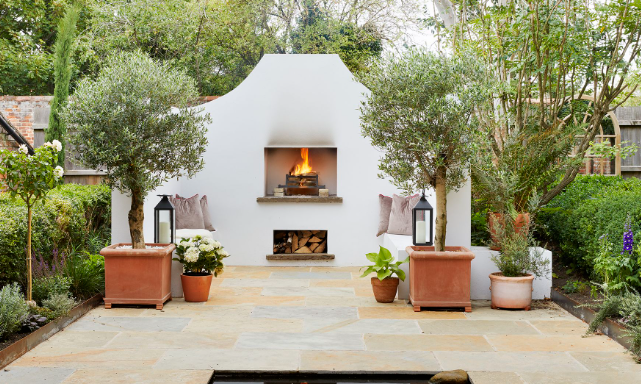
Creating a butterfly garden in containers is a delightful way to attract these beautiful creatures while saving space. With the right plants and care, you can have a vibrant oasis right on your patio or balcony. This guide offers container butterfly garden ideas that can be adapted to any size or style.
1. Choosing the Right Containers
When planning a container butterfly garden, the first step is selecting the right containers. Opt for pots that are at least 12 inches in diameter to give plants enough space to thrive. Make sure they have drainage holes, as butterflies prefer well-drained soil to avoid any waterlogging that can harm plant health.
Different materials can affect the temperature and moisture retention of the soil. Terracotta pots, for instance, are porous and allow for better air circulation, while plastic containers retain moisture longer, making them suitable for hot climates. Additionally, consider decorative pots that blend with your outdoor decor to enhance the visual appeal.
-
- Choose pots with good drainage.
-
- Opt for a diameter of at least 12 inches.
-
- Consider materials like terracotta or plastic based on your climate.
-
- Decorate with colors that complement your space.
2. Selecting Butterfly-Friendly Plants
Butterflies are attracted to a variety of plants, especially ones that provide nectar and serve as host plants for their caterpillars. Some excellent choices include milkweed, which is crucial for monarchs, and lantana, known for its vibrant flowers. Additionally, consider herbs like dill and parsley which serve as host plants for swallowtail butterflies.
When designing your container garden, try to include a mix of perennial and annual plants to ensure year-round activity. Plant taller specimens like daisies at the back and shorter plants like marigolds at the front to create depth and ensure visibility of all plants. Grouping flowers by color can enhance their attractiveness to butterflies and create stunning visual displays.
-
- Include nectar-rich flowers like lantana, zinnias, and butterfly bush.
-
- Don’t forget host plants like milkweed and dill for caterpillars.
-
- Plant a mix of perennials and annuals for year-round blooms.
-
- Use varying heights to create visual interest.
3. Creating a Suitable Environment
Butterflies thrive in an environment that offers sun, shelter, and food. Position your containers in a location that receives plenty of sunshine, ideally six to eight hours a day. However, it’s essential to provide some shaded areas as high temperatures can drive butterflies away.
You can also add features like a small water dish with pebbles or shallow rocks where butterflies can safely land and drink. Consider including some flat stones for basking, as butterflies like to warm their wings in the sun. Lastly, ensure your garden is free of pesticides, as these chemicals can harm butterflies and their caterpillars.
-
- Choose sunny spots with some shaded areas.
-
- Include shallow water sources and flat stones for basking.
-
- Avoid using pesticides to keep butterflies safe.
-
- Monitor the garden for weeds that may compete for resources.
4. Maintenance for a Flourishing Butterfly Garden
Maintaining your container garden is key to attracting and sustaining butterfly populations. Regular watering, especially during dry spells, is crucial; however, be cautious not to overwater your plants. Mulching can help retain soil moisture and reduce weed growth, providing a more conducive environment for your butterflies.
Additionally, deadheading spent flowers encourages more blooms, which attracts more butterflies over time. Regularly monitor your plants for signs of pests or diseases, and remove any unwanted issues promptly to keep your plants healthy. Earth-friendly garden maintenance practices will ensure a thriving habitat for butterflies.
-
- Water regularly, but avoid overwatering.
-
- Mulch to retain moisture and suppress weeds.
-
- Deadhead spent flowers to promote new blooms.
-
- Check regularly for pests and diseases.
5. Engaging with Butterflies
Creating an inviting butterfly garden goes beyond planting flowers; engaging with these beautiful insects enhances the overall experience. Consider setting up a butterfly feeder filled with sugar water to provide an extra food source. Additionally, observing the different species that visit your garden can be an educational adventure for families and children.
Document your observations with a journal or a digital app to track the butterfly species you attract throughout the seasons. This can deepen your appreciation for nature and encourage others to create their own butterfly gardens. Moreover, sharing photos and stories with friends or on social media can inspire a community effort towards butterfly conservation.
-
- Set up a butterfly feeder with sugar water.
-
- Observe and document different butterfly species.
-
- Engage kids by teaching them about the butterfly life cycle.
-
- Share your garden’s progress on social media.
Creating a container butterfly garden is a rewarding endeavor that can bring beauty, peace, and a sense of purpose to your outdoor space. By carefully selecting plants, maintaining the garden, and engaging with nature, you can help support these important pollinators. So gather your pots, seeds, and tools, and let your butterfly garden journey begin!