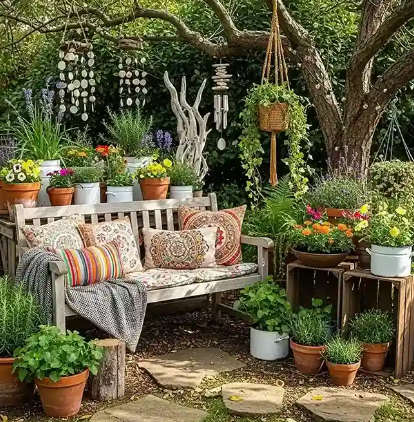
Creating a raised bed pollinator garden is a fantastic way to support local pollinators while adding beauty and functionality to your outdoor space. This type of garden not only helps sustain bee populations, butterflies, and other pollinators, but it can also enhance your gardening experience with easy accessibility and a controlled environment. In this blog post, we will explore how to set up your own raised bed pollinator garden and highlight some of the best plants to include.
1. Designing Your Raised Bed Pollinator Garden
The first step in creating a raised bed pollinator garden is deciding on its design and location. You’ll want to consider factors such as sunlight, accessibility, and proximity to other plants. A location that receives at least six hours of sunlight daily is ideal for most flowering plants that attract pollinators. Additionally, consider placing your garden closer to your home for easy maintenance and to enjoy the thriving activity of your garden visitors.
Next, think about the dimensions of your raised bed. Common sizes include 4×4 feet or 4×8 feet, but you can customize it to fit your space. Aim for a height of 12 to 24 inches so that it’s easy to tend to without bending down too far. Make sure to incorporate a variety of plant heights, with taller plants at the back and shorter ones in the front to create a visually appealing layout.
-
- Choose a sunny location with well-draining soil.
-
- Decide on the dimensions of your raised bed.
-
- Use untreated wood or recycled materials to build the frame.
-
- Ensure easy access to your garden for maintenance and enjoyment.
2. Selecting the Right Plants
Choosing the right plants is crucial for creating a thriving pollinator garden. Look for native plants, as these are adapted to your local ecosystem and are generally more beneficial to local pollinators. Examples of excellent pollinator plants include coneflowers, butterfly bush, and milkweed. Not only do these flowers provide nectar, but they also create habitat for various pollinator species.
In addition to planting a variety of flowering plants, consider incorporating herbs like lavender, mint, and basil. These herbs are not only useful for cooking but also attract pollinators, enhancing the biodiversity of your garden. Remember to group plants of the same type together to create larger patches of color that draw in pollinators more effectively.
-
- Research native plants suited for your region.
-
- Consider adding herbs to attract a variety of pollinators.
-
- Plan for continuous blooming by selecting plants that flower at different times.
-
- Avoid using pesticides to protect your pollinators.
3. Maintenance and Seasonal Care
Maintaining your raised bed pollinator garden is essential for long-term success. Regular watering, especially in dry spells, helps plants thrive and produces the nectar needed for pollinators. Mulching can also help retain moisture and suppress weeds, which can compete with your blooming plants for resources. Check your garden frequently for any signs of pests or diseases, and use organic methods for control when necessary.
Seasonal care is equally important. In spring, prepare your garden by turning over the soil and planting new seeds or seedlings. In fall, cut back spent plants to prevent disease and prepare your garden for winter. You might also leave some seed heads intact for birds and to provide winter shelter for insects, creating a more resilient ecosystem.
-
- Water regularly during dry periods.
-
- Apply mulch to retain soil moisture and suppress weeds.
-
- Inspect for pests regularly; use organic methods for management.
-
- Prepare your garden each season for optimal growth.
Creating a raised bed pollinator garden is not only a rewarding endeavor; it also plays a crucial role in supporting the environment. By carefully selecting plants and maintaining your garden, you’ll encourage a healthy community of pollinators. Start planning today, and watch your garden flourish with life and color!