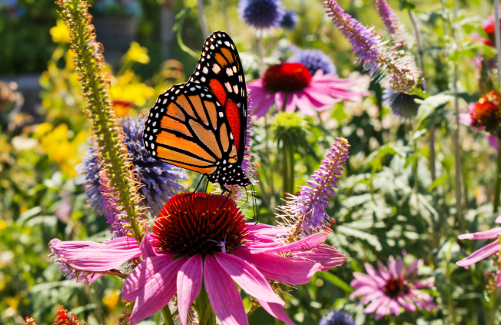
Creating a butterfly-watching garden can turn your outdoor space into a vibrant sanctuary filled with fluttering wings and colorful blooms. Not only does it invite these beautiful insects, but it also contributes to the local ecosystem. Here are some thoughtful garden ideas to attract butterflies and enhance your gardening experience.
1. Choosing the Right Flowers
One of the most essential elements of a butterfly garden is the selection of plants. Butterflies are attracted to nectar-rich flowers, which provide them with the sustenance they need. Consider native species, as they naturally draw in local butterfly populations. For instance, plants like milkweed, coneflowers, and asters are proven favorites among various butterfly types.
In addition to nectar sources, you must also include host plants where butterflies can lay their eggs. Different butterflies have specific preferences; for example, monarchs prefer milkweed while swallowtails enjoy dill or fennel. Research which species are common in your area to create a tailored environment that supports both the adults and their young.
-
- Opt for a diverse arrangement of nectar and host plants.
-
- Include a mix of annuals and perennials for continuous blooms.
-
- Choose flowers with a variety of colors to attract different species.
-
- Plant in clusters rather than isolated patches for a more enticing look.
2. Creating a Comfortable Habitat
Beyond flowers, the overall environment plays a significant role in attracting and keeping butterflies in your garden. They prefer sunny spots with some shelter from the wind. Creating a habitat that offers both sun and shade will make your garden more inviting for these delicate creatures. Consider planting close to trees or tall shrubs to create a natural windbreak.
Water sources are another crucial aspect often overlooked. Butterflies are attracted to moist areas where they can drink and find minerals. Adding shallow dishes of water or creating a small pond can serve these needs perfectly. Additionally, incorporating flat stones can provide basking spots for butterflies to warm themselves in the sun.
-
- Include at least one sunny area that’s sheltered from the wind.
-
- Add shallow water dishes or a small pond for hydration.
-
- Use flat stones or logs as basking spots in sunny locations.
-
- Make sure to keep the areas around plants tidy to avoid attracting pests.
3. Maintenance and Sustainability
Maintaining your butterfly-watching garden involves more than just planting. Regularly deadheading flowers, removing weeds, and ensuring the soil is nutrient-rich will enhance plant health. Avoid using pesticides and chemicals, as they can be harmful to butterflies and other beneficial insects. Instead, consider organic gardening practices that promote a healthy ecosystem.
Introducing companion planting can help control pests naturally, ensuring a thriving habitat. For example, planting marigolds near vegetables can repel harmful insects while attracting butterflies. Pay attention to your garden conditions throughout the seasons, as different plants attract different butterflies at various times. Adjust as necessary to keep your garden flourishing.
-
- Regularly deadhead flowers to encourage new blooms.
-
- Practice organic gardening to keep butterflies safe.
-
- Monitor plant health and soil quality consistently.
-
- Consider companion planting for natural pest control.
In conclusion, establishing a butterfly-watching garden is a rewarding endeavor that benefits both you and the local ecosystem. By carefully selecting plants, creating a comfortable habitat, and maintaining your garden sustainably, you can attract diverse species of butterflies for years to come. So why not take the next step and start planning your butterfly garden today? You’ll be amazed at the beauty and joy it brings into your life.