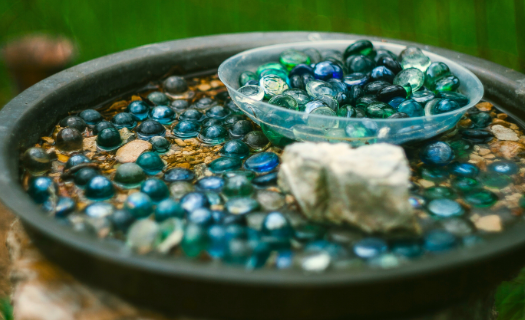
Bee water stations are a delightful and essential addition to any garden, providing our buzzing friends with a much-needed resource. As urbanization and climate change threaten natural water sources, creating a dedicated space for bees can significantly improve their health and wellbeing.
1. Understanding the Importance of Water for Bees
Bees, like all living creatures, need water to survive. Water serves various purposes for them, including regulating body temperature and diluting honey for food processing. Without easy access to clean water, bee populations may suffer, particularly during dry spells or in areas where natural water sources are scarce. By creating bee water stations in your garden, you provide a crucial resource that supports the local bee community.
The benefits of having healthy bee populations extend beyond their survival. Bees play a vital role in pollinating flowers and crops, which is essential for maintaining biodiversity and food production. Thus, establishing a water station can contribute positively to your garden’s ecosystem, making it a haven for these important pollinators.
-
- Research local bee species to understand their specific needs.
-
- Consider seasonal changes that affect water availability.
-
- Observe your garden for signs of bee activity during different times of the day.
-
- Plan your water station to be in a sunny spot for heating, but provide shade options.
2. How to Create an Effective Bee Water Station
Setting up a bee water station involves more than just placing a container of water outside. The design should be intentional to ensure safety for the bees. One effective method is to use shallow dishes or pots filled with pebbles and water. The pebbles will provide landing spots for the bees, enabling them to safely access the water without the risk of drowning.
To enhance the effectiveness of your station, consider adding a few floating elements, like pieces of wood. This addition not only provides more surfaces for bees to land but also mimics natural habitats where bees would drink from. Regular maintenance is crucial—aim to change the water every few days to prevent algae growth and keep it fresh.
-
- Choose shallow, wide dishes to minimize drowning risk.
-
- Add clean pebbles or stones to provide landing spots.
-
- Incorporate floating elements like wood or leaves for safety.
-
- Locate your station in a sunny area but ensure some shade.
3. Maintaining Your Bee Water Station
Establishing a bee water station is just the first step; maintaining it is essential for its long-term success. Regularly check the water level to ensure it doesn’t dry out, especially during hot summer days. Additionally, empty and refill the container to refresh the water, as stale water can deter bees due to unpleasant odors or algae buildup.
Paying attention to the surrounding environment can also help enhance the bee station’s functionality. You can incorporate blooming plants around the water station to attract more bees and provide them with food sources too. This creates a thriving ecosystem where bees have both water and nectar readily available.
-
- Check water levels frequently, especially during warm weather.
-
- Refresh the water regularly to prevent stagnation.
-
- Plant native flowering plants nearby to draw more bees.
-
- Observe the water station’s activity and adjust its placement if necessary.
Creating and maintaining a bee water station in your garden not only helps bees but enhances your garden’s biodiversity and health. By taking these steps, you’ll foster a flourishing environment for these vital pollinators.
In conclusion, setting up a bee water station in your garden is a straightforward yet impactful way to contribute to the wellbeing of bees. With a little effort and dedication, you can create a friendly oasis for these essential pollinators. Start by exploring your garden and planning your bee-friendly initiative today!