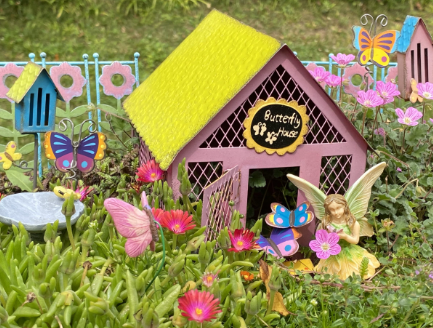
Creating a butterfly garden is not only a delightful task but also an essential one for the ecosystem. By adding decorative features, you can enhance the beauty of your garden while attracting these beautiful insects. In this blog post, we’ll explore various decorative ideas that will make your butterfly garden an inviting haven for butterflies.
1. Water Features
Water features serve as crucial elements in a butterfly garden. Not only do they provide hydration for butterflies, but they also add a tranquil ambiance. Consider installing a small pond or a birdbath where butterflies can feed, drink, and rest. A shallow dish filled with stones ensures they can land safely while sipping water without the risk of getting submerged.
Beyond functionality, water features can act as a central decorative piece. A gently flowing fountain or a bubbling brook can introduce soothing sounds that uplift the spirit of any garden. Surround your water feature with native plants to provide butterflies with a safe transition zone as they enjoy their surroundings.
-
- Install a shallow birdbath or pond.
-
- Use stones or gravel for landing areas.
-
- Choose a fountain design that suits your garden’s style.
-
- Surround the water feature with native plants.
-
- Regularly clean the water to prevent algae build-up.
2. Garden Art and Decor
Incorporating garden art can uniquely enhance the attractiveness of your butterfly garden. Wind chimes, sculptures of flowers or butterflies, and decorative stakes can all draw attention. These items serve as focal points, breaking the monotony of plants while accentuating the theme of your garden.
Ranging from whimsical to elegant, garden decor allows you to express your personal style. Ensure that the materials used are durable, especially for outdoor settings. Not only does art add visual interest, but it also creates a vibrant atmosphere where butterflies can feel welcome and safe.
-
- Select garden art that complements your garden’s theme.
-
- Ensure artworks are made of weather-resistant materials.
-
- Spread out decorations to avoid clutter.
-
- Incorporate elements that reflect light, such as glass or metal.
-
- Periodically change decorations to keep the garden fresh and inviting.
3. Colorful Plant Combinations
The plants in your butterfly garden must be visually appealing as well as functional. Opt for a mix of flowering plants that bloom at different times to ensure continuous color and attract a range of butterfly species. Flowers such as milkweed, coneflower, and lantana are known for attracting butterflies and can elevate the aesthetic of your garden.
Don’t forget the importance of foliage as well. Plants with varying leaf shapes, sizes, and colors add depth even when flowers are not in bloom. Combine natives and perennials for a sustainable garden that supports local wildlife while still looking vibrant and alive throughout the seasons.
-
- Choose plants that are native to your region.
-
- Mix annuals and perennials for year-round color.
-
- Incorporate plants with varying heights for layered visual interest.
-
- Group flowers of similar colors for a cohesive look.
-
- Ensure flowers provide nectar and habitat for caterpillars.
4. Butterfly Houses and Feeders
Giving butterflies a safe place to rest and lay eggs can be highly beneficial. Butterfly houses serve as protective shelters that prevent predators from reaching them. Look for designs that allow for ample airflow and sunlight while minimizing moisture, as damp conditions can be detrimental to butterflies.
Feeding stations can also bring butterflies closer. You can create a simple feeder using a piece of sponge soaked in sugar water or a bowl filled with ripe fruit. Position these feeders near flowers to satisfy their need for nourishment while providing a stunning view for garden visitors.
-
- Install butterfly houses in sheltered, sunny spots.
-
- Ensure houses have proper drainage and airflow.
-
- Set up feeders close to flowering plants.
-
- Use a mix of sugar water and fruits like bananas and oranges.
-
- Monitor and refill feeders regularly to maintain interest.
5. Pathways and Edging
Creating defined pathways in your butterfly garden makes it accessible and visually appealing. Use natural materials like stone, wood chips, or gravel to construct walkways that blend seamlessly with the surroundings. As butterflies often remain close to the ground, defined edges guide them safely along flower beds while showcasing the beauty of your garden.
Consider planting low-growing flowers or ground cover along the edges of paths. This not only leads the eye but also invites butterflies to explore. Make sure your pathways are wide enough for easy movement and allow for wildlife encounters without trampling plants.
-
- Use natural materials for all pathways.
-
- Consider width and accessibility for easy movement.
-
- Plant low-growing flowers along edges to create a welcoming feel.
-
- Avoid sharp edges that might harm butterflies.
-
- Regularly maintain pathways to ensure they remain inviting.
Creating a butterfly garden filled with decorative features allows you to enjoy both beauty and ecology in your living space. Each element you thoughtfully add brings you closer to attracting these delicate creatures. Start your journey today, and don’t hesitate to consult with local experts or gardening books to ensure your garden flourishes!