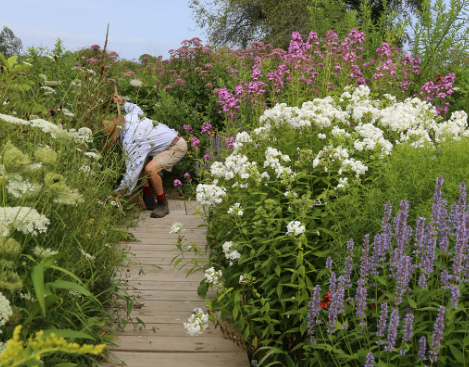
Creating a pollinator garden pathway is not only a delightful way to enhance your landscape but also an essential step in supporting local ecosystems. These pathways can be designed to attract various pollinators, including bees, butterflies, and hummingbirds. In this blog post, we’ll explore creative ideas to establish vibrant and inviting pathways that encourage wildlife and contribute to sustainability.
1. Native Plant Pathways
One of the most effective ways to create a pollinator-friendly garden pathway is by incorporating native plants. Native plants are well-adapted to local climates and soil conditions, making them more resilient and easier to maintain. They also provide the necessary forage for pollinators, offering nectar and pollen throughout the growing season. Consider including a variety of plants that bloom at different times to ensure a continuous supply of food.
For instance, you might opt for Coneflowers, Milkweed, and Black-eyed Susans as a few native options to consider. These plants not only serve as food sources but also create beautiful displays of color that can brighten up your pathway. Be sure to research which native species thrive in your specific area, as this will greatly increase the likelihood of your pathway being successful in attracting pollinators.
-
- Research local native plants and their blooming seasons.
-
- Plan a mix of colors and plant heights for visual appeal.
-
- Group plants in clusters to create more accessible forage for pollinators.
-
- Consider incorporating flowering ground covers to fill in gaps.
2. Water Features and Resting Spots
In addition to planting, water sources and resting spots are vital for engaging pollinators. A shallow water feature, such as a birdbath with stones, can provide essential hydration. Adding small rocks allows pollinators to land safely and drink without risk of drowning. Additionally, incorporating seating or rocks for resting can be beneficial for butterflies and other insects that need to bask in the sun after feeding.
For example, small stone sculptures or benches can serve not only as functional spots for pollinators but also as decorative elements that enhance the garden’s overall aesthetics. Position these features in sunny areas with nearby flowering plants to draw pollinators and make their visits more enjoyable. Regularly refreshing the water and ensuring it remains clean will keep the attraction consistent.
-
- Choose a shallow container or birdbath to avoid drowning.
-
- Add pebbles for pollinators to land on.
-
- Place resting spots near flowers for easy access.
-
- Ensure the water source is cleaned regularly to combat algae growth.
3. Organic Maintenance Practices
Sustainability in your pollinator garden pathway starts with organic maintenance practices. Avoiding chemical pesticides and fertilizers is crucial, as these can harm beneficial insects and disrupt their habitats. Instead, consider natural pest control methods such as introducing beneficial insects like ladybugs or using neem oil to deter pests without endangering your pollinators.
Creating a compost system can also support healthy soil and nourish your plants organically. Compost enriches the soil, enabling plants to grow robustly and, in turn, support more pollinators. Additionally, mulching can help retain moisture and suppress weeds without the need for chemical herbicides.
-
- Use natural pest control methods instead of chemicals.
-
- Incorporate compost into your soil for organic nourishment.
-
- Regularly mulch to retain moisture and block weeds.
-
- Avoid deadheading all flowers; leave some seed heads for winter birds.
By implementing these strategies to create a pollinator garden pathway, you foster a healthy ecosystem while beautifying your outdoor space. Not only will you attract bees and butterflies, but you will also contribute positively to your local environment.
In conclusion, designing a pollinator garden pathway can be an enriching experience for both you and local wildlife. As you take these steps toward creating a vibrant habitat, consider consulting with local gardening experts or extension services to refine your approach and ensure maximum success. Happy gardening!