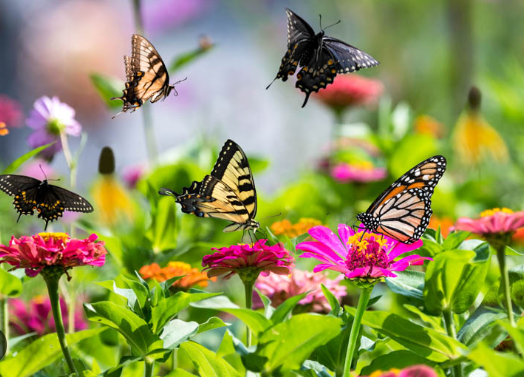
Butterfly gardens are not only beautiful but also play a crucial role in supporting local ecosystems. A natural-style butterfly garden invites colorful creatures while fostering biodiversity and ecological balance right in your backyard. Let’s explore how to create your own inviting butterfly haven!
1. Selecting the Right Plants
Choosing the right plants is foundational to establishing a thriving butterfly garden. Native plants are particularly effective because they have adapted to the local climate and soil conditions. These plants also provide essential nectar sources and serve as host plants for caterpillars, ensuring that butterflies can complete their life cycles. For instance, milkweed is crucial for monarch butterflies, while lantana attracts a variety of nectar feeders.
In addition to native plants, consider incorporating a mix of flowering perennials and annuals. This diversity not only keeps your garden visually appealing throughout the seasons but also ensures there’s something flowering from spring to fall. Look for plants like asters, coneflowers, and zinnias—these are known favorites among butterfly species.
-
- Choose at least five native plant species.
-
- Incorporate both nectar plants and host plants.
-
- Plan for staggered bloom times to ensure constant food sources.
-
- Include a mix of heights and colors for visual interest.
2. Creating Ideal Habitats
Aside from beautiful flora, butterflies require specific habitats to thrive. They appreciate sunny spots for basking and areas of shelter where they can escape harsh weather. Including open spaces with minimal wind exposure, as well as darker areas surrounded by shrubs or trees, can help cater to their needs. Additionally, incorporating features like gravel paths and rocks can provide safe perches for resting butterflies.
Water sources are also vital in attracting butterflies. Consider adding shallow water dishes or small birdbaths filled with stones where butterflies can land and drink. An organic approach to gardening—avoiding pesticides and using natural fertilizers—will keep your butterfly habitat safe and inviting, ensuring not only butterflies but all beneficial insects can flourish.
-
- Ensure sunlight availability for at least 6 hours a day.
-
- Provide shelter like hedgerows or shrubs.
-
- Add shallow water sources for hydration.
-
- Avoid using chemicals; opt for natural alternatives.
3. Maintenance and Care
Maintaining a healthy butterfly garden requires regular care but can be very rewarding. Start by creating a seasonal schedule that includes watering, weeding, and monitoring plant health. Remember, it’s important to leave dead plant stems standing during winter; they serve as habitats for hibernating caterpillars and beneficial insects. Spring cleanup should involve trimming back perennials while being cautious not to disturb any chrysalis hidden within.
Another critical aspect of maintenance is pest management. Instead of resorting to chemical solutions, adopt integrated pest management (IPM) techniques, which include attracting beneficial insects like ladybugs and lacewings. They help keep harmful pests at bay while maintaining the ecological balance in your garden.
-
- Develop a seasonal maintenance schedule.
-
- Keep a close watch for pests and diseases.
-
- Prune dead plant material in early spring.
-
- Encourage natural predators like ladybugs.
4. Attracting More Species
To make your butterfly garden a magnet for diverse species, consider incorporating various elements that cater to different types of butterflies. For example, some butterflies prefer open areas filled with vibrant flowers, while others may prefer more secluded spots within the garden. Plant a wide range of nectar-producing plants, including both native and non-native species, to draw in various butterfly types.
Creating a welcoming environment doesn’t end with plants. You can also add features like butterfly houses, which provide shelter for various butterfly species. These small structures mimic natural habitats and can be made from simple materials like wood or bamboo. By creating a unique garden atmosphere, you help promote the arrival of both common and rare butterfly species.
-
- Plant a variety of nectar sources.
-
- Create sunny and shaded spots for different butterflies.
-
- Add butterfly houses to provide shelter.
-
- Consider incorporating rocks or flat surfaces for drying off.
5. Engaging with the Community
Building a butterfly garden not only benefits the ecosystem but can also inspire and engage your community. Host workshops or informational sessions to share tips on creating butterfly-friendly spaces, and encourage neighbors to join in on the fun. Community efforts can lead to butterfly trails, which enhance awareness about the importance of these pollinators and their habitats.
Furthermore, you can collaborate with local gardening clubs, schools, or environmental organizations to create awareness around the importance of butterflies. Consider constructing a community butterfly garden where everyone can contribute their efforts. Such collective projects foster a sense of belonging and responsibility toward the environment.
-
- Organize community workshops on butterfly gardening.
-
- Network with local gardening clubs for resources.
-
- Promote community butterfly gardening projects.
-
- Encourage the sharing of successes and challenges online.
Starting your own natural-style butterfly garden requires effort and dedication, but the rewards—beautiful butterflies and a thriving ecosystem—are well worth it. Don’t hesitate to reach out to local gardening experts or environmental organizations for guidance as you embark on this delightful gardening adventure!