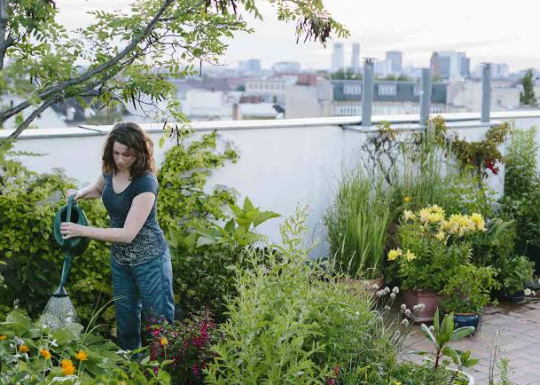
A rooftop can become much more than an empty surface above a building. With thoughtful landscaping, it can function as a garden, lounge, dining area, urban retreat, or even a productive growing space. The challenge is balancing attractive design with the practical realities of wind, sun exposure, drainage, structural load, and maintenance.
The best Rooftop Garden Landscaping Ideas combine planting, furniture, circulation, shade, and privacy in a way that feels organized rather than crowded. Whether the roof is large or compact, a clear layout and carefully selected materials can turn it into a comfortable outdoor environment.
Start With a Clear Layout
Before choosing plants, decide how the rooftop will be used.
Common areas may include:
- Lounge space
- Dining area
- Planting zone
- Herb garden
- Reading corner
- Open pathway
Not every rooftop needs all of these.
A small roof may work best with perimeter planting and one seating area, while a larger rooftop can support several separate zones.
Use furniture, planters, outdoor rugs, or changes in paving to define different areas without creating unnecessary walls.
Use Large Planters to Create Structure
Large containers can help organize the overall landscape.
Rectangular planters work especially well along walls and edges, while round or sculptural pots can become focal points.
Use larger containers for:
- Ornamental grasses
- Shrubs
- Small trees
- Flowering plants
- Herbs
Repeating similar planter shapes and finishes creates a cleaner appearance.
Instead of filling the rooftop with many unrelated pots, use fewer containers arranged in intentional groups.
Create Layered Planting
Layering plants of different heights adds depth.
A simple combination might include:
- Small tree or tall shrub
- Medium-height grasses
- Low flowering plants
- Trailing groundcover
This creates a more natural landscape than using plants of the same height throughout the rooftop.
Place taller plants toward walls or behind seating areas and lower plants closer to paths.
Layering can also help soften hard architectural surfaces.
Use Plants for Privacy
Privacy is often a major concern on urban rooftops.
Tall planting can screen nearby buildings while making the space feel greener.
Useful choices may include:
- Ornamental grasses
- Compact evergreen shrubs
- Climbing vines
- Bamboo in suitable containers
- Trellised plants
Place privacy planting only where screening is needed.
Keeping some views open prevents the rooftop from feeling enclosed.
Trellises and narrow planters are especially useful when floor space is limited.
Add a Comfortable Lounge Area
A rooftop garden becomes more enjoyable when there is somewhere comfortable to sit.
Choose furniture that matches the size of the space.
Possible arrangements include:
- Outdoor sofa and coffee table
- Two lounge chairs and a side table
- Built-in bench seating
- Small modular sectional
Position seating where it benefits from the best views, shade, or planting.
Keep enough space around furniture for easy movement.
Include an Outdoor Dining Area
If the rooftop is large enough, a dining zone can make it more functional.
A round table works well in compact spaces because it is easier to walk around.
Larger rooftops may accommodate a long rectangular dining table.
Place the dining area near the entrance if food will frequently be carried from indoors.
Surrounding the table with planters can make it feel integrated with the garden rather than simply placed on the roof.
Create Shade
Rooftops are often more exposed to direct sun than ground-level gardens.
Shade improves comfort and can also protect certain plants.
Options include:
- Umbrellas
- Shade sails
- Retractable awnings
- Pergolas
For a small rooftop, a movable umbrella may provide enough shade.
A pergola can define a larger lounge or dining area, but permanent structures should be designed with wind and structural requirements in mind.
Use Vertical Gardening
Vertical landscaping is useful where horizontal space is limited.
Walls and trellises can support:
- Climbing plants
- Herbs
- Flowers
- Trailing plants
A vertical garden can create a strong green backdrop behind seating.
It can also hide unattractive walls or mechanical elements.
Simple trellis systems are often easier to maintain than complex planted walls, especially where irrigation access is limited.
Add a Small Tree as a Focal Point
One carefully positioned tree can dramatically change the character of a rooftop.
Choose a species that can grow successfully in containers and tolerate local rooftop conditions.
A small tree can provide:
- Height
- Seasonal interest
- Partial shade
- A visual focal point
Place it in a stable container near a seating area or at the end of an important sightline.
In smaller gardens, one strong specimen tree often works better than several crowded ones.
Use Ornamental Grasses
Ornamental grasses are especially effective in rooftop landscapes because they add movement, height, and texture.
They can be used to:
- Screen neighboring buildings
- Define pathways
- Soften hard edges
- Surround seating areas
- Create low-maintenance borders
Choose varieties suited to the local climate and wind exposure.
Repeating the same grass in several containers can create a more unified design.
Add Seasonal Flowers
Seasonal flowers bring color without requiring permanent changes.
Use them around entrances, seating areas, dining spaces, or focal planters.
Instead of covering the entire rooftop with flowering plants, combine them with evergreen or structural plants.
This ensures the garden still looks attractive when flowers are not in bloom.
Changing a few seasonal containers can refresh the landscape throughout the year.
Create an Edible Garden
Rooftop landscaping can also include productive planting.
Depending on climate and sunlight, containers can support:
- Herbs
- Tomatoes
- Peppers
- Lettuce
- Strawberries
- Beans
Herbs are particularly easy to integrate into ornamental planting.
Place edible plants near the entrance or dining area so they remain convenient to harvest.
Raised beds can provide more growing space, but their weight needs careful consideration.
Add Outdoor Lighting
Lighting can extend the use of the rooftop into the evening.
Use several subtle light sources instead of one bright fixture.
Consider:
- Wall lights
- Lanterns
- Table lamps
- Low pathway lights
- Integrated planter lighting
Focus lighting around seating and circulation areas.
Avoid illuminating every plant equally.
Selective lighting creates more depth and keeps the rooftop from feeling overdesigned.
Use a Limited Material Palette
Too many different finishes can make rooftop landscaping look busy.
Choose a small group of materials and repeat them.
For example:
- Natural wood
- Dark metal
- Neutral stone
- Light-colored planters
This creates visual continuity.
Plants can then provide the main variety in color and texture.
Keep Pathways Clear
Good circulation is essential.
Leave clear routes between the rooftop entrance, seating areas, dining zone, and planting.
Do not place decorative pots in narrow walkways.
Open pathways make the garden feel larger and also make maintenance easier.
They are particularly important where several people may use the rooftop at the same time.
Plan for Wind
Rooftops can experience much stronger wind than gardens at ground level.
Choose stable planters and furniture, and secure lightweight items where necessary.
Tall screens, trellises, pergolas, and large plants may also need additional support.
Wind exposure should influence plant selection as well.
Flexible grasses and wind-tolerant shrubs may perform better than plants with brittle branches.
Protect Drainage
Drainage must remain functional beneath the landscape.
Roof drains should never be blocked by planters, paving, rugs, or furniture.
Green roof systems commonly include waterproofing, drainage, growing medium, and vegetation layers, while captured rainwater is gradually released through drainage, evaporation, and plant use.
Check drains regularly for soil, leaves, or debris.
Good landscaping should work with the roof’s drainage system rather than interfere with it.
Consider Structural Weight
Weight is one of the most important practical issues in rooftop landscaping.
Planters, wet soil, trees, furniture, paving, water features, and people all contribute to the total load.
The U.S. National Park Service notes that even relatively shallow vegetated roof systems can add substantial weight once the growing medium is fully saturated, while deeper intensive systems are considerably heavier.
The EPA similarly advises that roof load-bearing capacity can limit green-roof design and that saturated weight must be considered.
Large trees, deep raised beds, heavy paving, pergolas, or water features should therefore be added only after confirming that the roof structure can safely support them.
Keep Maintenance Manageable
A beautiful rooftop landscape should also be realistic to maintain.
Choose plants suited to local sun, wind, temperature, and rainfall.
Group species with similar water needs together.
Where many containers are used, drip irrigation can reduce maintenance and provide more consistent watering.
Store tools and supplies in a weather-resistant cabinet or storage bench.
Simpler planting schemes are often easier to maintain successfully than highly complicated ones.
Create a Balanced Rooftop Landscape
The strongest Rooftop Garden Landscaping Ideas combine greenery with good spatial planning.
Large planters, layered vegetation, privacy planting, comfortable seating, shade, and subtle lighting can turn an exposed roof into a welcoming outdoor garden. Repeating materials and plants helps create visual unity, while clear pathways keep the space practical.
At the same time, successful rooftop landscaping depends on more than appearance. Drainage, waterproofing, structural capacity, wind exposure, irrigation, and maintenance all need to be considered.
With thoughtful planning, a rooftop can become a functional landscape that provides greenery, outdoor living space, and a stronger connection to nature even in a dense urban setting.