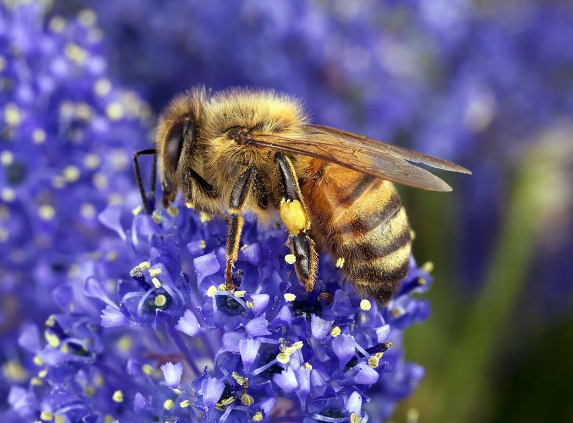
Bees play a vital role in our ecosystem, and one of their primary food sources is nectar. Understanding the types of plants that produce nectar can help gardeners and nature enthusiasts create environments that support these essential pollinators. This guide will explore some of the best bee nectar plants and how you can cultivate them effectively.
1. Native Wildflowers
Native wildflowers are not only beautiful additions to any garden but also crucial for supporting local bee populations. Plants such as coneflowers, black-eyed Susans, and bee balm thrive in various soil types and climates, making them suitable for many gardeners. These flowers provide nectar during different seasons, ensuring a continuous food source for bees throughout the year.
When selecting wildflowers, aim for a mix that blooms at different times. This diversity ensures that bees have access to nectar from spring through fall. Additionally, native plants are adapted to the local environment, requiring less water and maintenance than non-native species, which can be a significant advantage for busy gardeners.
-
- Choose native wildflower seeds appropriate for your region.
-
- Plant in clusters to create large patches that attract bees.
-
- Avoid using pesticides to create a safe habitat for pollinators.
-
- Consider incorporating a variety of bloom times.
-
- Regularly deadhead spent flowers to encourage new blooms.
2. Flowering Herbs
Flowering herbs like lavender, sage, and thyme are excellent choices for attracting bees while also providing culinary benefits. These aromatic plants not only produce beautiful, nectar-rich flowers but their leaves can also be used in the kitchen. By choosing a mix of flowering herbs, you can create a beautiful garden that is both functional and bee-friendly.
Growing flowering herbs offers additional perks; not only do they attract bees, but they can also deter some pests in your garden. For instance, rosemary can repel unwanted insects while providing a food source for pollinators. Make sure to prune your herbs regularly to encourage new growth and extend the blooming period, allowing bees access to nectar over a more extended time.
-
- Select herbs that are known to bloom, like basil or oregano.
-
- Plant in well-drained soil and ensure they receive plenty of sunlight.
-
- Avoid over-fertilizing, which can interfere with flowering.
-
- Harvest herbs regularly to promote new growth and blooms.
-
- Educate yourself about companion planting to maximize benefits.
3. Flowering Shrubs
Flowering shrubs, such as butterfly bush, viburnum, and azalea, provide bees with ample nectar and also contribute to the overall aesthetic of your landscape. These plants can grow taller and create substantial visual barriers or focal points in your garden while providing a haven for bees. Many flowering shrubs bloom profusely, ensuring that bees have a reliable food source.
When planting flowering shrubs, consider their mature size and growth habits. Some shrubs may require more space or have specific sunlight needs, so choose wisely based on the environment you can offer. Additionally, many flowering shrubs have long blooming periods, significantly contributing to local bee populations during their active seasons.
-
- Choose native flowering shrubs for best adaptation to the local climate.
-
- Space plants adequately to allow for air circulation and growth.
-
- Water regularly, particularly during dry spells.
-
- Prune shrubs to encourage healthy growth and blooming.
-
- Combine different species for varied flowering times.
4. Trees That Attract Bees
Don’t overlook trees in your quest to attract bees! Certain flowering trees, such as cherry, apple, and magnolia, can be exceptional sources of nectar. Many trees take years to mature, but planting them will provide long-term benefits to your garden and local bee populations. Flowering trees often produce large quantities of nectar, making them a prime target for bees.
Consider planting a mix of fruit-bearing trees and ornamental varieties. Fruit trees not only benefit bees but can also provide you with delicious produce. Additionally, planting trees can contribute to environmental health by removing carbon dioxide from the atmosphere and providing shade and habitat for various wildlife.
-
- Plant a mix of native and fruit-bearing flowering trees.
-
- Ensure adequate spacing for root systems and branches.
-
- Water young trees regularly to promote healthy growth.
-
- Be patient; some trees may take years to attract bees.
-
- Investigate local tree planting initiatives for additional support.
5. Sustainable Gardening Practices
In addition to selecting the right plants, employing sustainable gardening practices is essential for supporting bee populations. Techniques such as organic gardening, permaculture, and integrated pest management can significantly enhance the health of your garden environment. Using these methods creates a thriving ecosystem that allows bees to flourish alongside your plants.
Remember that bees have specific preferences and needs. For a garden that thrives as much as you do, consider implementing companion planting and crop rotation. Furthermore, providing water sources, such as small ponds or shallow dishes filled with stones and water, can help ensure that bees have access to hydration without drowning.
-
- Use organic fertilizers and avoid chemical pesticides.
-
- Implement crop rotation in vegetable gardens.
-
- Build bee hotels to provide habitat for solitary bees.
-
- Plant ground cover that blooms to support early spring bees.
-
- Monitor flower health to ensure a good nectar supply.
In conclusion, cultivating bee nectar plants is a rewarding endeavor that not only helps the environment but also enhances the beauty of your garden. By incorporating a variety of plants and sustainable practices, you can create a thriving ecosystem that supports these essential pollinators. Start today and consider seeking advice from local gardening experts or community planting groups to maximize your impact!