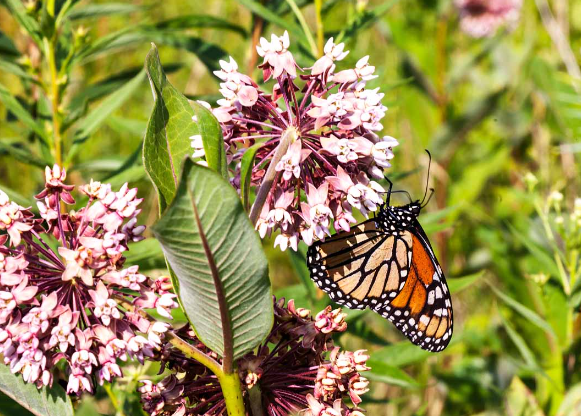
Creating a butterfly garden can be a rewarding endeavor, not only for the butterflies but also for those who love to watch them flutter about. One of the most essential plants for any butterfly garden is milkweed, particularly known for attracting Monarch butterflies. This blog post dives into the importance of milkweed, including its varieties, care, and best practices for planting.
1. The Importance of Milkweed for Butterflies
Milkweed is a crucial part of the life cycle of Monarch butterflies, serving as the primary host plant for their larvae. When female Monarchs lay their eggs, they specifically seek out milkweed because its leaves are nutritious and help caterpillars grow strong. Without milkweed, the Monarch population would drastically decline, making its preservation essential for butterfly enthusiasts and ecological health.
Moreover, milkweed plants are not just beneficial for Monarchs; they support a variety of other pollinators, including bees and different butterfly species. The flowers produce nectar that serves as a food source, creating a diverse food web in your garden. Gardeners can enjoy the beauty and ecological benefits while helping sustain essential pollinator populations.
-
- Research local Monarch butterfly populations.
-
- Select native milkweed species for your region.
-
- Plant milkweed in a sunny location with well-drained soil.
-
- Learn about companion plants to enhance biodiversity.
-
- Monitor for pests that may affect your milkweed plants.
2. Choosing the Right Milkweed Varieties
Not all milkweed is created equal. There are various species of milkweed, including Common Milkweed, Butterfly Weed, and Swamp Milkweed, each thriving in different environments. Common Milkweed is known for its tall stature and large clusters of pink flowers, making it a favorite among Monarchs in open fields. Butterfly Weed has bright orange flowers and is drought-tolerant, attracting bees and other butterflies as well.
Swamp Milkweed, on the other hand, grows well in wetter conditions and has a delicate pink-purple flower, appealing to various pollinators. When selecting milkweed plants, consider your garden’s soil type and drainage to ensure the best chance of success. Local nurseries are often a great resource for finding the right species suited to your area.
-
- Identify your local climate and soil conditions.
-
- Purchase milkweed plants from reputable nurseries.
-
- Consider purchasing seeds for home germination.
-
- Read plant tags to understand sunlight needs and growth habits.
-
- Avoid using ornamental species, as they may not support Monarchs.
3. Milkweed Plant Care and Maintenance
Once established, milkweed requires minimal maintenance but some care will ensure healthy growth. Watering is especially critical in the initial stages of growth; the soil should remain moist but not soggy. During the growing season, organic compost can be applied to nourish the plants and promote lush foliage. Pay attention to any signs of pests, particularly aphids, which may settle on the sap-rich leaves.
As winter approaches, cut back the plants to a few inches above the ground to protect them from harsh weather, but leave some seed heads to provide winter habitat for various insects. Not only does this attract future generations of butterflies, but it also supports a range of wildlife year-round. Ensuring appropriate care will yield a flourishing milkweed patch that enhances your butterfly garden.
-
- Water regularly, especially in dry periods.
-
- Add organic compost every spring.
-
- Monitor for pests and deal with infestations promptly.
-
- Cut back plants in late fall, leaving some stems for wildlife.
-
- Consider mulching to retain soil moisture.
4. Creating a Butterfly-Friendly Environment
In addition to planting milkweed, it’s important to create a butterfly-friendly environment in your garden. Adding a variety of nectar-producing flowers can help attract butterflies from all species. Bright, fragrant flowers such as lantanas, zinnias, and coneflowers can complement the milkweed, creating a vibrant landscape that is visually appealing and functional.
A water source is also crucial; a shallow dish filled with stones or a birdbath can offer butterflies a refreshing sip without risking drowning. Positioning “sunny spots” where butterflies can bask in warm sunlight is equally beneficial. Consider providing a small area with bare soil, which butterflies may use for basking or laying eggs. These small adjustments can help create a welcoming habitat for butterflies.
-
- Include a variety of nectar plants for diversity.
-
- Ensure sunny spots for butterflies to bask.
-
- Add water sources that are safe and accessible.
-
- Minimize pesticide usage to protect pollinators.
-
- Provide natural shelters, like shrubs and tall grasses.
In conclusion, incorporating milkweed into your butterfly garden is a vital step in supporting Monarchs and other pollinators. Taking the time to select proper varieties, care for your plants, and create a welcoming environment will ensure that your garden becomes a sanctuary for these beautiful insects. Start planning your butterfly garden today and play an active role in sustaining the butterfly population in your area.