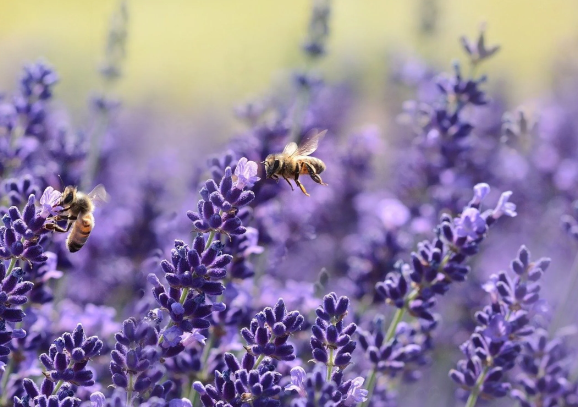
Creating a bee garden that attracts these vital pollinators is essential for both biodiversity and the health of our ecosystems. Lavender plants are a perfect choice for bee gardens, not only for their stunning appearance but also for their rich nectar and pollen sources. This blog post explores why lavender is ideal for bees and how to successfully cultivate it in your garden.
1. The Allure of Lavender for Bees
Lavender, known for its fragrant aroma and vibrant purple flowers, is a magnet for bees and other pollinators. The plant produces an abundance of nectar, especially during the summer months, making it a prime food source. Honeybees, in particular, are drawn to lavender’s fragrant blooms, which can help increase their foraging efficiency while fulfilling their nutritional needs.
Furthermore, lavender flowers provide a steady source of food for bees throughout the blooming season, typically between late spring and early summer. This timing is crucial because it coincides with the lifecycle of many bee species. Planting lavender can effectively support both honeybees and native bees, fostering a rich biodiversity that enhances your garden.
-
- Choose a variety of lavender that is local to your area.
-
- Plant lavender in clusters to enhance its visibility to bees.
-
- Ensure there is ample sunlight, as lavender thrives in well-drained, sunny areas.
-
- Consider different flowering times for a continuous food supply.
2. Cultivating Lavender: Best Practices
To successfully cultivate lavender in your bee garden, it’s vital to understand its growing requirements. Lavender prefers well-drained, sandy or loamy soils with a slightly alkaline pH. Before planting, it’s a great idea to amend your soil with compost or other organic materials to improve drainage and nutrient levels.
Watering is also an essential factor in lavender care. While established plants are drought-tolerant, young plants need regular watering to establish their root systems. After the first year, avoid overwatering as it can lead to root rot. Pruning lavender plants after flowering will encourage bushier growth and blooming in the following year, enhancing their attractiveness to bees.
-
- Test your soil’s pH and adjust it if necessary.
-
- Plant lavender in a sunny location with good airflow.
-
- Water young plants consistently, but reduce frequency once established.
-
- Prune regularly to promote healthy growth and flowering.
3. Companion Plants for a Thriving Bee Habitat
Including companion plants alongside lavender can create a more inviting environment for bees while also enhancing the beauty of your garden. Flowers like echinacea, bee balm, and sunflowers are excellent choices that bloom at different times. This diversity provides a more abundant nectar source, encouraging bees to return and thrive in your garden.
Also, consider planting herbs such as thyme and rosemary, which not only attract bees but can also be beneficial for your kitchen. These plants can help create a vibrant ecosystem where various pollinators feel welcome and can coexist harmoniously. It’s important to select native plants too, as they are well-adapted to local conditions and are likely to attract local bee populations.
-
- Select a mix of flowering plants to provide diverse nectar sources.
-
- Incorporate native plants to support local bee populations.
-
- Avoid using pesticides that can harm pollinators.
-
- Plan for staggered blooming times among different plants.
4. Maintaining Your Bee-Friendly Lavender Garden
Regular maintenance is essential to keep your lavender plants healthy and attract bees effectively. This includes monitoring for pests and diseases, which can affect the health of your plants. Aphids and spittlebugs can be common nuisances, but they can often be managed through natural means or simple remedies like introducing beneficial insects.
Pests aside, it’s also wise to provide a clean environment for your garden. Regularly remove dead leaves and spent blooms, which can harbor pests. Moreover, create small water features or provide shallow dishes filled with clean water to offer hydration for bees. As always, practice organic gardening methods for the health of both your plants and pollinators.
-
- Monitor plants regularly to catch pests early.
-
- Use organic methods for pest control, like introducing ladybugs.
-
- Clean up your garden by removing debris and dead plants.
-
- Provide water sources for bees to encourage visits.
In conclusion, planting lavender in your bee garden is a gratifying way to support pollinators while enjoying the beauty of these delightful plants. By following these best practices and tips, you’ll create a thriving habitat that benefits both bees and your surrounding environment. Start your journey today to make your garden a haven for these important creatures!