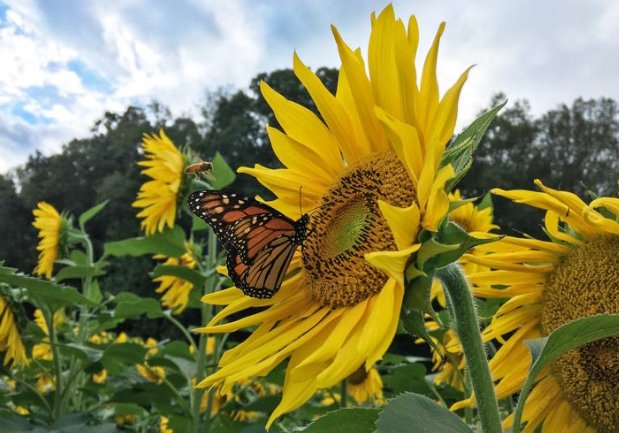
Creating a sunflower garden is a delightful way to support local pollinators while adding beauty to your landscape. These vibrant blooms not only brighten up any space but also attract bees, butterflies, and other beneficial insects essential for a healthy ecosystem.
1. Why Sunflowers are Essential for Pollinators
Sunflowers serve as a critical food source for a variety of pollinators. Their large, vivid blooms are rich in nectar and pollen, making them irresistible to bees, butterflies, and other insect species. By providing nutrition, sunflowers help to sustain these creatures throughout their life cycles, particularly during the peak growing seasons when food sources can be scarce.
Moreover, sunflowers are incredibly beneficial for biodiversity. By cultivating diverse garden plots filled with different sunflower varieties, you can support a range of pollinators. This diversity ensures that not only do you attract a variety of insects, but you also create a robust environment that helps in the pollination of other plants, thereby enhancing your entire garden’s productivity.
-
- Choose multiple sunflower varieties to attract different pollinator species.
-
- Plant sunflowers in clusters rather than single rows to make them more attractive to pollinators.
-
- Rotate sunflower varieties yearly to maintain soil health and avoid pest build-up.
-
- Leave some flowers unharvested for seeds, providing food for birds and insects.
2. How to Design Your Sunflower Garden
Designing a sunflower garden can be a fun and rewarding endeavor. Start with a sunny spot in your yard that receives at least six hours of sun a day, which is essential for healthy sunflower growth. Consider varying the heights and types of sunflowers to create visual interest and attract a diverse range of pollinators.
Grouping taller varieties, such as the classic giant sunflowers, with shorter ones can provide nesting sites and shelter for essential pollinators. This layered effect not only creates a visually stunning garden but also offers a variety of environments for bees, butterflies, and other beneficial insects to thrive.
-
- Determine the sunniest part of your yard for optimal growth.
-
- Incorporate a mix of sunflower heights and colors to maximize beauty and biodiversity.
-
- Include companion plants that also attract pollinators, such as lavender or marigolds.
-
- Design pathways for easy access to maintain and enjoy your garden.
3. Caring for Your Sunflower Garden
Once your sunflower garden is established, maintaining it is crucial to ensure that it remains an attractive habitat for pollinators. Water sunflowers regularly, especially during dry spells, as they require consistent moisture for healthy growth. Mulching around the base can help retain soil moisture and suppress weeds, making your gardening efforts more efficient.
Moreover, be mindful of pest control methods. While some pests are inevitable, it’s better to employ natural remedies, such as introducing beneficial insects or using organic pesticides, rather than harsh chemicals that can harm your pollinators. Monitoring your plants regularly will help you catch any issues early before they become severe.
-
- Water sunflowers consistently, especially during hot, dry weather.
-
- Add mulch to retain moisture and deter weeds.
-
- Adopt natural pest control methods to protect pollinator health.
-
- Observe your plants regularly for signs of disease or pests.
4. Extending the Blooming Season
To maximize the benefits of your sunflower garden for pollinators, consider methods to extend blooming periods. Succession planting, or sowing seeds at intervals, can ensure that your sunflowers bloom from late spring through to late summer. This staggered approach provides a continuous food source for pollinators.
You can also mix sunflowers with other flowering plants that bloom at different times. By thoughtfully selecting plant companions like zinnias or cosmos, you’ll maintain a vibrant garden alive with the buzz and flutter of pollinators from spring to fall, creating an oasis of color and life.
-
- Employ succession planting to prolong the blooming season.
-
- Choose companion plants that flower at different intervals.
-
- Regularly deadhead spent blooms to encourage new growth.
-
- Keep track of your planting schedule to optimize bloom times.
In conclusion, establishing a sunflower garden is an excellent way to support pollinators while enjoying the beauty they bring. By following simple steps to design, care for, and extend the blooming period of your sunflowers, you can create a sustainable environment rich in biodiversity. Start planning your sunflower garden today and contribute to a healthier ecosystem!