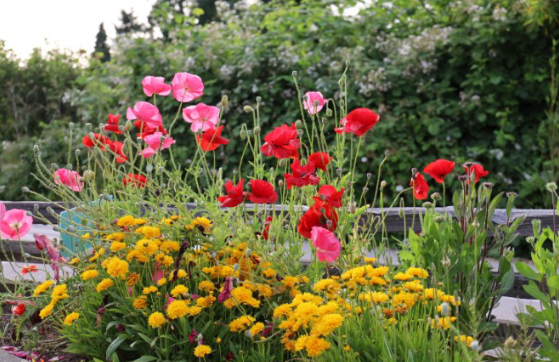
Creating a butterfly garden can transform your outdoor space into a vibrant haven for butterflies, while also providing a serene escape for yourself. One essential aspect often overlooked is the inclusion of garden paths. These paths not only enhance the aesthetic appeal of your garden but also serve practical functions. Let’s explore the various benefits of garden paths in butterfly gardens.
1. The Importance of Path Design
A well-thought-out garden path is crucial for both the beauty and function of a butterfly garden. Paths can help guide visitors through your garden while minimizing the disturbance to delicate plants and butterfly habitats. Consider using materials like gravel, wood chips, or stepping stones that blend with the natural environment and suit your garden’s style.
Moreover, the design of the path should include gentle curves and variations in width, allowing for a more natural feel. Straight paths can be visually unappealing and disrupt the flow of the garden. By creating winding paths, you encourage curiosity and exploration, making it easy to spot visiting butterflies and other pollinators.
-
- Choose natural materials that complement your garden.
-
- Incorporate curves to enhance visual interest.
-
- Ensure the path is wide enough for comfortable walking.
-
- Minimize disruption to plants and habitats.
-
- Consider accessibility for all visitors.
2. Enhancing Butterfly Habitat
Garden paths can play a significant role in creating a favorable habitat for butterflies by allowing easier access to different plants. When the paths are strategically placed, they help create microclimates favorable for butterflies. For example, a path that runs alongside a flowerbed can give butterflies a resting spot where they can safely bask in the sun.
Additionally, paths can be designed to include native plants and flowers that are specifically attractive to butterflies. Incorporating nectar-rich plants along the border of the paths can increase the likelihood of butterfly visits while also providing essential food sources. It’s also beneficial to add host plants that cater to caterpillars, further supporting the entire life cycle of butterflies.
-
- Plant native, nectar-rich flowers along the path.
-
- Add host plants to support caterpillar development.
-
- Design paths to extend sunlight exposure for basking.
-
- Include water sources for hydration.
-
- Regularly monitor plant health to keep the habitat thriving.
3. Path Maintenance and Care
Maintaining garden paths is crucial for both aesthetics and functionality. Over time, leaf litter, weeds, or debris can accumulate, making paths less inviting for both visitors and butterflies. Regular maintenance helps ensure that the paths remain clear and safe, encouraging people to explore the garden and observe butterfly life more closely.
Consider scheduling maintenance activities, such as clearing debris or refreshing the materials used, at least once a month. It’s also a good idea to inspect the plants along the path and remove any dead or wilting ones. This not only maintains the visual appeal but also increases habitat quality for visiting butterflies.
-
- Schedule regular maintenance checks.
-
- Clear debris from paths to ensure safety.
-
- Refresh path materials as needed.
-
- Inspect and care for surrounding plants.
-
- Keep tools handy for quick maintenance tasks.
4. Integrating Educational Elements
Garden paths also provide an excellent opportunity to incorporate educational features that enhance the butterfly gardening experience. Consider installing informational signs or markers that highlight different butterfly species and the plants that attract them. This makes your butterfly garden not only a visual delight but also an educational resource for children and adults alike.
In addition, you can include interactive features like butterfly observation stations or butterfly life cycle displays. Installing benches along the pathways can encourage visitors to stop, observe, and learn about the butterflies and the ecosystem they inhabit. Such educational experiences deepen the appreciation for nature and promote environmental stewardship.
-
- Install signs or markers identifying butterfly species.
-
- Create interactive learning stations.
-
- Include benches for rest and observation.
-
- Organize guided tours or educational workshops.
-
- Encourage visitors to engage and ask questions.
In conclusion, garden paths are more than just a means to navigate your butterfly garden; they are integral to its design, habitat health, and educational potential. By thoughtfully integrating paths into your butterfly garden, you will enhance not only its beauty and functionality but also the joy it brings to you and the butterflies alike. Take the next step in your butterfly gardening journey by planning your paths today! Explore professional landscaping advice if needed to make your vision a reality.