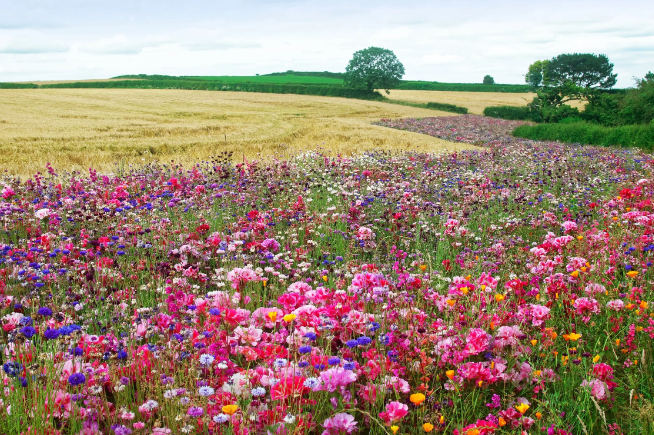
Creating a wildflower meadow not only beautifies a landscape but also provides a vital habitat for pollinators like bees, butterflies, and other beneficial insects. In recent years, awareness of the declining pollinator populations has increased, prompting many to consider how they can contribute positively to the ecosystem. By planting a wildflower meadow, you can help support these essential creatures while enjoying the colorful splendor they bring.
1. Benefits of Wildflower Meadows for Pollinators
Wildflower meadows boast a variety of flowering plants that bloom at different times throughout the season. This diversity ensures that pollinators have a continuous food source, which is crucial for their survival. Moreover, native wildflowers are often better suited to local pollinator species, providing the nutrients and shape that these creatures are adapted to work with, thereby enhancing pollination efficiency.
Beyond offering nectar and pollen, wildflower meadows can serve as shelter for pollinators and other wildlife. The taller grasses and flowering plants provide a natural environment where insects can take refuge from predators and extreme weather conditions. Additionally, these meadows can help improve soil health, reduce erosion, and store carbon, contributing positively to the environment overall.
-
- Choose native wildflowers suited to your local climate.
-
- Consider the blooms’ timeframes to offer food throughout the season.
-
- Incorporate plants that are known to attract specific pollinators.
-
- Leave some areas unmowed to provide shelter and nesting sites.
2. How to Create a Wildflower Meadow
Creating a wildflower meadow involves several careful steps, starting with selecting the right location. Ideally, you want an area with full sun and well-drained soil. Before planting, it’s essential to clear existing weeds and grass, which can compete with your wildflowers. This might involve removing sod or using non-toxic herbicides, depending on the size of the area you plan to convert.
Once the area is prepared, the next step is to choose your wildflower seeds. Opt for a mix that includes a variety of species; this not only enhances biodiversity but also ensures that your meadow can support a range of pollinators. Once seeded, water the area gently but thoroughly, and consider covering the seeds lightly with mulch to prevent birds from eating them. Monitor the meadow regularly to ensure that your wildflowers have the best chance to thrive.
-
- Prepare the soil by removing existing vegetation completely.
-
- Select a diverse mix of native wildflower seeds.
-
- Plant seeds in the spring or fall for optimal growth.
-
- Keep the area moist during the germination period.
3. Maintenance and Care for Your Meadow
Once your wildflower meadow is established, maintenance is essential to ensure its longevity and health. While these meadows generally require less upkeep than traditional lawns, periodic tasks such as mowing are necessary. Late summer is usually the best time to mow, as it helps control aggressive species that could otherwise dominate the landscape. This also encourages new growth for the following season.
Additionally, it’s important to monitor the health of your wildflower meadow. Check for invasive species that may disrupt the ecological balance. Removing them early can prevent them from overtaking your native wildflowers. Other maintenance tasks might include reseeding or adding new wildflower varieties to enhance biodiversity further.
-
- Mow your meadow in late summer to allow for regrowth.
-
- Regularly inspect for and remove invasive plants.
-
- Consider periodic reseeding to maintain diversity.
-
- Fertilize sparingly, as wildflowers typically thrive in nutrient-poor soil.
4. Creating a Community Wildflower Meadow
If you’re part of a neighborhood or community, consider organizing a joint effort to establish a community wildflower meadow. This not only spreads awareness about pollinators but also strengthens community bonds. Start by identifying an open space in your neighborhood that could benefit from a wildflower meadow—perhaps a park, school yard, or even a common area in a housing complex.
Engage community members through meetings or information sessions about the benefits of wildflower meadows. Once you gather interest, set a timeline for the project, and designate roles for planning, planting, and maintenance. Applying for grants or collaborating with local gardening organizations can provide funding and resources that will ensure the project’s success.
-
- Identify and secure a location for the community meadow.
-
- Host community meetings to engage and educate residents.
-
- Assign roles for planting and maintenance tasks.
-
- Reach out to local organizations for support and funding.
In conclusion, establishing a wildflower meadow can make a significant difference in your local ecosystem, particularly for pollinator populations. With careful planning and maintenance, you can create a vibrant space that not only supports wildlife but enhances your landscape’s beauty. Take the initiative and start planning your meadow today—you never know how many pollinators you’ll help thrive!