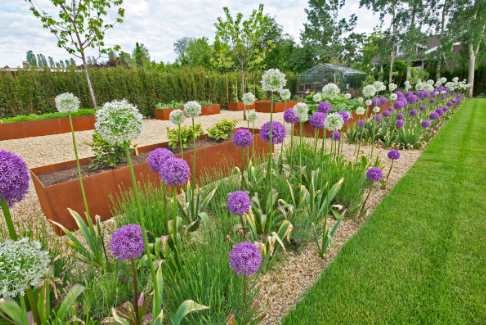
Creating a pollinator garden is a wonderful way to support local wildlife while enjoying the beauty of nature. Incorporating comfortable seating into your garden allows you to relax and appreciate the flowers and the buzzing bees, butterflies, and hummingbirds that visit. This blog post will explore how to effectively integrate garden seating in your pollinator garden.
1. Choosing the Right Location
When selecting a spot for your seating, consider areas that provide a good view of your pollinator plants. A location that receives adequate sunlight and is sheltered from harsh winds is ideal for comfort. Think about seating areas where you can observe the activity of pollinators without disturbing them; this will enhance your gardening experience.
Additionally, consider accessibility and proximity to pathways. It’s best to place seating near well-maintained paths to make it easy for you and your guests to navigate the space. Ensure that the location you choose allows for a good vantage point without causing harm to delicate plants nearby.
-
- Identify sunny spots with less wind.
-
- Keep seating at a distance to avoid disturbing pollinators.
-
- Ensure easy access from main pathways.
-
- Consider facing your seating towards blooming flowers.
2. Selecting Comfortable Seating Options
Once you’ve chosen the best location, it’s time to select seating that’s comfortable and matches the aesthetic of your garden. Options such as wooden benches, cozy lounge chairs, or even hammocks can complement a natural garden setting. Consider weather-resistant materials that can withstand the elements while providing comfort.
Another fantastic option is to incorporate seating that promotes wildlife interest, like a bench made from reclaimed materials or one that features integrated planters. This not only beautifies your garden but also enhances the habitat for various birds and beneficial insects.
-
- Select materials that blend with your garden’s aesthetic.
-
- Opt for weather-resistant options for durability.
-
- Consider multi-functional furniture (e.g., seating with storage).
-
- Look for locally-made or sustainable choices.
3. Enhancing the Relaxation Factor
To create a truly relaxing space in your pollinator garden, think about adding elements that enhance comfort and enjoyment. Cushions, throws, and even a small side table can transform a simple bench into a cozy retreat. These small additions can make a significant difference in the usability of the space.
Don’t forget to include natural elements to elevate the ambiance. Consider adding soft sounds, such as a small fountain, to mask any noise from nearby roads. Moreover, introducing fragrant plants nearby will engage your senses and further encourage you to spend quality time in your garden.
-
- Add cushions and blankets for seating comfort.
-
- Include a side table for drinks and snacks.
-
- Incorporate a water feature for soothing sounds.
-
- Plant aromatic flowers like lavender or rosemary nearby.
4. Creating a Pollinator-Friendly Environment
While you’re enjoying your seating, it’s important to remember that maintaining a pollinator-friendly environment is essential. Limit the use of pesticides, as these can be harmful to the insects you want to attract. Consider organic alternatives like neem oil or insecticidal soaps when necessary.
Additionally, create diverse habitats by planting a variety of flowers that bloom at different times throughout the season. This ensures food sources for pollinators exist from early spring until late fall. You can also leave some materials like dead wood and leaf litter in your garden to provide shelter and breeding grounds.
-
- Avoid using chemical pesticides and fertilizers.
-
- Plant a mixture of native flowers for year-round blooms.
-
- Leave natural debris to support wildlife habitats.
-
- Educate yourself on local pollinator species and their needs.
5. Encouraging Community Engagement
Pollinator gardens can also be places to connect with your community. Host small gatherings or educational workshops to share knowledge about pollinator conservation. The shared space can become a learning hub where visitors can learn about the importance of these insects in our ecosystems.
Consider inviting local schools or community groups to participate in planting days or maintenance efforts. This not only helps maintain the garden but also fosters a sense of community stewardship and raises awareness about the importance of pollinators.
-
- Host garden tours to educate others about pollinators.
-
- Invite local schools or community groups to participate.
-
- Share social media updates about your garden activities.
-
- Encourage dialogue about pollinator conservation.
In conclusion, incorporating seating into your pollinator garden enhances both your gardening experience and the ecological benefits of the garden itself. By creating a comfortable and inviting atmosphere, you can enjoy the beauty of nature while contributing to a vital ecosystem. Start planning your own garden seating today, and don’t hesitate to reach out for more ideas or guidance!