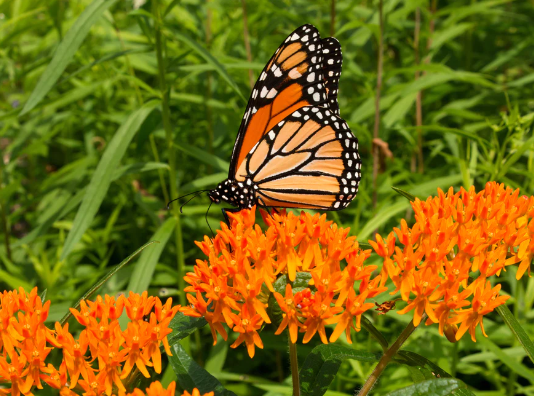
Butterfly gardens are not just beautiful to look at; they also play a crucial role in supporting local ecosystems. By incorporating the right shrubs into your garden, you can attract a variety of butterfly species while also providing them with shelter and food.
1. Choosing the Right Shrubs
When selecting shrubs for a butterfly garden, it’s essential to choose native plants that provide nectar and serve as host plants for caterpillars. Native plants are better adapted to the local climate and soil, making them easier to maintain and more appealing to local wildlife. Some excellent options include the butterfly bush, lilac, and ninebark, all of which are not only attractive but also beneficial to butterflies.
For example, the butterfly bush (Buddleja) produces long flower spikes filled with fragrant blooms that attract many butterfly species. Meanwhile, lilacs (Syringa) offer early spring blooms crucial for early-emerging butterflies. Ninebark (Physocarpus opulifolius), with its unique bark and vibrant flowers, serves as both a nectar source and a shelter for caterpillars.
-
- Research and choose native plants for your area.
-
- Consider the light and soil conditions of your garden.
-
- Opt for shrubs that provide a variety of bloom times.
-
- Purchase healthy plants from local nurseries.
2. Creating a Diverse Plant Palette
Diversity is key in a butterfly garden. By mixing various types of shrubs, perennials, and annuals, you can create a vibrant habitat. Offering a range of plant heights, colors, and blooming periods will encourage not just butterflies but also other beneficial insects. Plants like elderberry and viburnum can provide excellent fruit for birds, creating a more biodiverse environment.
In addition to providing nectar and host plants, a well-planned garden can contribute to pollination and pest control. By including shrubs like serviceberry, which not only feed caterpillars but also produce fruits, you can ensure that your garden supports a variety of wildlife throughout the seasons.
-
- Plan your garden in layers for visual appeal.
-
- Include different types of plants for various needs.
-
- Use plants with staggered blooming times for continuous interest.
-
- Avoid monoculture; mix different species together.
3. Maintenance Tips for Shrubs in Your Butterfly Garden
Maintaining your butterfly garden doesn’t have to be overwhelming. Regular care will keep your shrubs healthy and vibrant, contributing to the overall garden ecosystem. Watering, pruning, and weeding are essential tasks that should be performed continually throughout the growing season.
Moreover, be mindful of pests. While chemical insecticides can harm beneficial insects, natural alternatives like neem oil or insecticidal soap can help manage unwanted pests without endangering your butterfly population. Regular inspections of your plants will help you catch problems early, allowing you to maintain a healthy garden.
-
- Water shrubs deeply to encourage deep root growth.
-
- Prune as needed to maintain shape and health.
-
- Inspect regularly for pests and diseases.
-
- Apply organic mulch to retain moisture and suppress weeds.
4. Creating a Suitable Habitat
Aside from planting the right shrubs, creating a suitable habitat can significantly enhance your butterfly garden. Butterflies need sunny spots to bask in and shelter from the wind to feel secure while feeding. Consider placing stones or a flat rock in a sunny area, giving butterflies a place to warm themselves.
Additionally, leaving some areas of your garden undisturbed can offer essential cover for butterflies and other wildlife. Leaf litter can be beneficial, providing shelter and a place for butterflies to overwinter. You can create small brush piles or leave some overgrown areas to attract a variety of insects.
-
- Designate sunny areas for basking spots.
-
- Use rocks or logs as natural sunning stones.
-
- Leave some areas undisturbed for habitat diversity.
-
- Create shallow puddles for butterflies to drink.
By implementing these tips and incorporating the right shrubs into your butterfly garden, you can create a welcoming environment for both butterflies and other beneficial wildlife. Your garden can become a vibrant oasis that supports local ecosystems and provides endless enjoyment. Start planning and planting today to transform your garden into a butterfly haven!