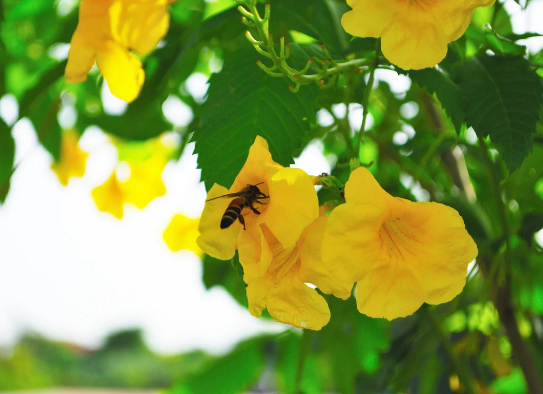
If you’re looking to create an inviting space for pollinators while also adding beauty to your garden, climbing plants are an excellent choice. Not only do they enhance vertical spaces and provide privacy, but they also attract essential pollinators like bees and butterflies. In this post, we will explore some wonderful climbing plants ideal for pollinators and how to incorporate them effectively in your garden.
1. Best Climbing Plants for Pollinators
When selecting climbing plants, consider those that produce nectar-rich flowers attracting bees, butterflies, and hummingbirds. Some of the best options include the Passionflower and the Trumpet Vine. Passionflowers are known for their unique appearance and festooned blooms, offering a rich source of pollen. Likewise, Trumpet Vines create vibrant, tubular flowers which serve as a buffet for various species, especially hummingbirds. Choosing these climbers means contributing positively to local ecosystems.
Another excellent choice is the Honeysuckle, a fragrant, non-invasive plant that flourishes in various soil types. Its sweet-smelling blooms come in different colors, offering nectar from early spring until late summer. While these plants benefit pollinators immeasurably, they also add aesthetic value and can help deter pests from your garden by attracting beneficial insects.
-
- Plant in clusters for a stronger visual impact
-
- Opt for native species to local fauna
-
- Ensure proper support structures like trellises or arbors
-
- Consider bloom times for continuous flowering
2. Creating a Pollinator-Friendly Environment
Creating a pollinator-friendly garden involves more than just planting; it includes providing the right environment. Ensure your climbing plants are positioned where they receive sufficient sunlight and swathes of shelter from harsh winds. A sunny spot encourages vibrant blooms, while shelter allows pollinators to thrive. Water sources like birdbaths or shallow dishes filled with stones are also vital, as they provide hydration without risking drowning.
If your garden features a variety of heights and layers, it can create harmonized habitats for diverse plant and pollinator species. Pair your climbing plants with flowering shrubs and ground covers to create a rich tapestry of blooms. This diversity in plant life encourages various species to visit your garden, ultimately fostering a thriving pollinator population.
-
- Use native plants to support local ecosystems
-
- Incorporate water features for hydration
-
- Limit pesticide use to protect pollinator health
-
- Allow some areas to grow wild for natural habitats
3. Maintenance Tips for Climbing Plants
Maintaining climbing plants requires regular attention, yet it can be very rewarding as they flourish. Ensure your plants are pruned back at the end of the flowering season to encourage healthy growth. This practice helps air circulation and reduces pests, contributing to a healthier environment for pollinators. Always check for pests and diseases, addressing them with organic solutions if necessary to minimize harm to pollinators.
Fertilizing your climbing plants can also boost their health and flowering potential. Consider using organic fertilizers made from plant or animal matter, which release nutrients into the soil gradually. Additionally, keep the plants watered appropriately, especially during dry spells, ensuring the soil remains moist but not soggy.
-
- Prune at the right time for optimal growth
-
- Use organic fertilizers for better pollinator health
-
- Monitor for pests regularly
-
- Maintain soil moisture without over-watering
In conclusion, incorporating climbing plants into your garden not only beautifies the space but also supports vital pollinator populations. By choosing the right types, creating a suitable environment, and properly maintaining them, you can create a thriving ecosystem right in your backyard. Start your journey today to support these beautiful creatures and enhance your garden’s charm!