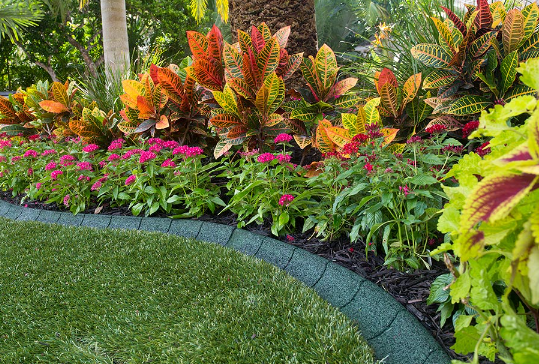
Creating a butterfly garden is a beautiful way to attract and nurture these delicate creatures while enhancing your outdoor space. One often overlooked aspect of such gardens is the use of garden edges, which can serve both functional and aesthetic purposes. This blog post will explore various types of garden edges suitable for butterfly gardens, discussing their benefits and providing actionable tips for implementation.
1. Natural Edges
Natural edges, such as rocks, logs, or even native plantings, provide a more organic look to your butterfly garden. These edges help create a more welcoming environment for butterflies by mimicking their natural habitats. The use of local materials not only boosts the overall aesthetic but also supports local ecosystems, providing a holistic approach to gardening.
Additionally, natural edges can serve practical purposes. For instance, they can help retain soil moisture, reduce erosion, and promote biodiversity by creating micro-climates that are ideal for various plants and insects. Using stones or fallen branches can create visual interest, allowing you to incorporate different textures and colors into your garden design.
-
- Use locally sourced stones or logs for a natural look.
-
- Incorporate native plants along the edges to support local biodiversity.
-
- Position natural elements in a way that guides visitors through the garden.
-
- Group stones and logs to create sheltered areas for resting butterflies.
2. Edible Borders
Edible borders are an excellent choice for those who wish to combine beauty with functionality in their butterfly gardens. Plants like mint, chives, and nasturtiums not only provide food for butterflies but also attract other pollinators, enhancing the ecological value of your garden. These hardy plants can double as flavorful additions to your kitchen, making them a win-win.
Incorporating herbs or fruits as borders can also help provide a sensory experience as you walk through the garden. The varied heights and colors of these plants will create a dynamic edge while enriching the garden’s aesthetics. Additionally, having edible plants can help reduce pest pressures, as they may attract beneficial insects that prey on harmful pests.
-
- Choose edible plants known to attract butterflies.
-
- Regularly harvest herbs to promote new growth.
-
- Plant a variety of heights for visual interest and accessibility.
-
- Ensure that edible plants are organic to avoid harming butterflies.
3. Decorative Fencing
Decorative fencing offers a stylish way to define the edges of your butterfly garden while maintaining necessary boundary functions. Fences can come in various materials like wood, metal, or even recycled plastic. Choose designs that resemble natural elements or that blend aesthetically with your garden’s theme. These fences not only provide a nice backdrop but can also act as trellises for climbing plants that attract butterflies.
In addition to their visual appeal, decorative fences help keep out unwanted animals, protecting the sensitive plants that butterflies depend on. Some fences can be adorned with hanging baskets or vines, creating vertical gardens that maximize space and provide additional hiding spots for butterflies. Implementing a decorative fence can add charm and enhance your garden’s overall layout.
-
- Choose materials that complement your garden’s style.
-
- Ensure the fence is tall enough to protect against pests.
-
- Add climbing plants for vertical interest and more hiding spots.
-
- Consider painting or staining the fence to blend with natural colors.
4. Mulched Edges
Mulching is often used for its practical benefits, but when applied as a garden edge, it offers both beauty and functionality. Utilizing bark mulch or straw around the borders of your butterfly garden creates a defined edge while suppressing weeds and conserving moisture. This can lead to healthier plants that are more attractive to butterflies and other pollinators.
Moreover, the colors and textures of various mulches can add depth to your garden design. Choose organic mulches, as they decompose over time, enriching the soil and creating a sustainable circular ecosystem that butterflies will thrive in. Mulched edges can also serve as a natural transition between your garden and other areas, helping the space feel cohesive.
-
- Select natural, organic mulch to support a healthy ecosystem.
-
- Spread mulch evenly to create a tidy appearance.
-
- Replenish mulch regularly to maintain its benefits.
-
- Pair mulched edges with flowering plants for added visual appeal.
5. Paving Stones
Paving stones can provide a more structured and modern edge to your butterfly garden. They can help delineate the garden from neighboring areas while creating walkways that are both functional and attractive. The use of paving stones allows for easy maintenance and can support the weight of visitors without compacting the soil around your butterflies’ favorite plants.
Choosing permeable paving stones can enhance water drainage, which is beneficial for plant health and butterfly activity. Additionally, they can be arranged in various patterns to create a unique garden design that can intrigue visitors. The hard surface can also serve as a spot for basking butterflies, especially during warmer days.
-
- Select permeable stones for better water drainage.
-
- Design creative patterns that are easy to walk on.
-
- Ensure stones are level to prevent tripping hazards.
-
- Leave gaps for plant growth to soften the edges.
In conclusion, creating edges in your butterfly garden not only enhances the garden’s beauty but also supports the well-being of these delicate creatures. From natural elements to decorative fencing, each option offers unique advantages that can make your garden both functional and enchanting. Consider implementing one or more of these ideas as you cultivate your butterfly sanctuary!