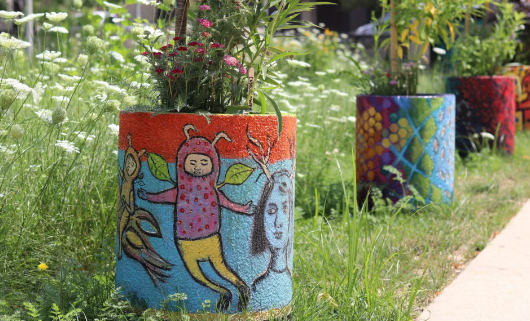
Creating a pollinator garden is a delightful way to support local wildlife while beautifying your outdoor space. By incorporating garden art, you not only enhance the visual appeal but also create a lively atmosphere that attracts various pollinators. Let’s explore how to design and implement a pollinator garden that celebrates nature and art.
1. Choosing the Right Plants for Pollinators
When selecting plants for your pollinator garden, look for native species, as they are well adapted to the local ecosystem and provide the most effective food sources for pollinators like bees, butterflies, and hummingbirds. Some excellent choices include coneflowers, milkweed, and bee balm, as they are rich in nectar and pollen. Planting in clusters can also help to create more attractive foraging opportunities for these vital insects.
In addition to native flowers, consider incorporating plants that bloom at different times throughout the seasons. This ensures a continuous food supply for pollinators, encouraging them to visit your garden year-round. A mix of annuals, perennials, and shrubs can help achieve this dynamic environment while adding depth to your garden’s design.
-
- Research local native plants suitable for pollinators.
-
- Choose flowering plants with varying bloom times.
-
- Group plants of the same species together.
-
- Consider additional features like a small pond or water source.
-
- Avoid pesticides to promote healthy wildlife.
2. Implementing Garden Art to Enhance the Experience
Garden art can transform a simple pollinator garden into an enchanting space. From colorful sculptures to bird baths and wind chimes, art pieces can attract not only pollinators but also human visitors. For instance, a vibrant butterfly house not only provides a habitat for insects but also becomes a decorative focal point in your garden.
When selecting garden art, consider items that reflect your style while also serving a purpose in the ecosystem. For example, using upcycled materials to create bee hotels or hanging flower pots can serve both as art and functional habitats for pollinators. Using bright colors or reflective materials will also enhance visual appeal and help draw in more wildlife.
-
- Choose art that complements the garden’s color scheme.
-
- Make sure to include functional art like birdhouses or bee hotels.
-
- Consider upcycling items for sustainable choices.
-
- Ensure art pieces are weatherproof and durable.
-
- Incorporate art that encourages interaction, like benches or paths.
3. Maintaining Your Pollinator Garden
Once your pollinator garden is established, proper maintenance is crucial to keep it thriving. Regular watering, especially during dry spells, is essential for the health of both plants and pollinators. A well-mulched garden can help retain moisture and reduce competition from weeds. Also, periodic deadheading and removing spent flowers can encourage further blooming and keep your garden looking pristine.
Monitoring for pests is another important aspect of maintenance. Instead of reaching for chemical solutions, focus on natural pest control methods, such as introducing beneficial insects or using organic sprays. Keeping a diverse range of plants will also mitigate the chance for pests to take over, as some plants naturally repel certain insects.
-
- Water regularly, especially in dry spells.
-
- Use mulch to retain moisture and suppress weeds.
-
- Practice deadheading to promote reblooming.
-
- Monitor for pests and employ organic control methods.
-
- Keep records of what works well and what doesn’t for future reference.
Creating a pollinator garden with art is an enriching experience that benefits the environment and enhances your living space. With careful planning and maintenance, you can create a thriving ecosystem that supports pollinators while expressing your creativity through garden art. As you embark on this journey, let your imagination guide you and consider collaborating with garden clubs or local experts if you need additional support.