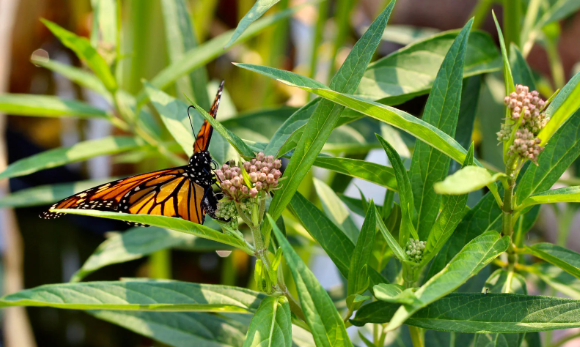
Creating a butterfly-friendly garden not only enhances the beauty of your outdoor space but also contributes significantly to the ecosystem. Butterfly nectar plants are essential for attracting these vibrant insects, providing them with the nourishment they need. In this guide, we will explore various aspects of butterfly nectar plants to help you cultivate a thriving garden.
1. Selecting the Right Butterfly Nectar Plants
Choosing the right nectar plants is crucial for attracting a diverse population of butterflies. Each butterfly species has specific preferences when it comes to food sources. For instance, butterflies like the Swallowtail are often drawn to plants like Parsley and Dill, while Monarch butterflies gravitate towards Milkweed. Researching the local butterfly species in your area and their preferred nectar sources will give you a solid foundation for your garden.
In addition to native plants, consider planting a mix of annuals and perennials that bloom at different times throughout the year. This ensures a continuous food source for butterflies as they migrate through various seasons. For example, Butterfly Bushes and Coneflowers bloom in late summer, while Larkspur and Asters may flower in early fall. By incorporating a variety of bloom times, you create a dynamic habitat.
-
- Research local butterfly species and their preferred plants.
-
- Mix annuals and perennials for year-round flowering.
-
- Focus on native species for better adaptation.
-
- Consider plant height and flowering period when designing your garden.
2. Creating a Butterfly-Friendly Habitat
Beyond nectar plants, a butterfly garden should include features that provide shelter and breeding grounds. Butterflies often seek shady spots to rest in the heat of the day. Adding elements like rock piles or dense shrubs can create natural resting places. Additionally, incorporating host plants—plants where butterflies can lay their eggs—is vital for their life cycle. The Common Milkweed is a prime example, serving both as a food source for adult Monarchs and a nursery for their caterpillars.
Moreover, place shallow water sources in your garden such as birdbaths with pebbles or puddling stations. Butterflies need to sip water, and they often prefer moist soil or shallow water to facilitate this behavior. Creating a diverse environment will encourage not just nectar-feeding but also the entire lifecycle of butterflies, ultimately helping them thrive.
-
- Include shady spots with rocks or shrubs for resting.
-
- Add host plants for breeding and caterpillar development.
-
- Incorporate shallow water sources for hydration.
-
- Avoid using chemicals that can harm butterflies and their habitats.
3. Maintenance and Seasonal Care for Your Butterfly Garden
Maintaining a butterfly garden requires regular care to ensure the plants are healthy and thriving. Regular weeding is essential, as invasive species can choke out your nectar plants, reducing their effectiveness. Pruning perennials can also help promote new growth and flowering, which is critical for attracting butterflies throughout the season. Understanding the best time to prune depends on the type of plant—some should be cut back in early spring, while others benefit from post-bloom pruning in the fall.
Additionally, monitor your garden for pests that could harm your butterflies, such as aphids. Using natural solutions like neem oil rather than chemical pesticides can allow you to manage these pests without endangering your butterfly population. Seasonal care tasks like mulching, adding compost, and rotating plants also greatly contribute to the overall health of your garden.
-
- Conduct regular weeding to prevent invasive species.
-
- Prune your plants to promote healthy growth.
-
- Monitor for pests and use natural remedies when possible.
-
- Rotate plants seasonally to maintain soil health.
With the right knowledge and preparations, you can create a delightful butterfly haven right in your backyard. This not only contributes positively to the environment but also brings joy and beauty to your outdoor spaces. Take inspiration from this guide and begin planning your butterfly garden today!