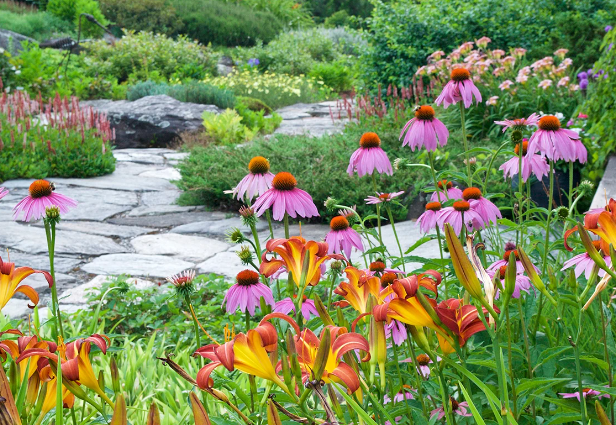
Coneflowers, known for their striking beauty and vital role in the ecosystem, are perfect for creating a pollinator-friendly garden. Not only do they attract a variety of beneficial insects, but they also add color and life to your outdoor space. Let’s explore some engaging ideas for incorporating coneflowers into your pollinator garden.
1. Planting Companion Flowers
Creating a vibrant pollinator garden means more than just planting coneflowers. Consider adding companion flowers that bloom at different times throughout the growing season. This approach ensures continuous food sources for pollinators, which can boost their populations and health.
Great companions for coneflowers include black-eyed Susans, bee balm, and lavender. These flowers not only attract various pollinators, such as bees and butterflies, but they also complement the coneflower’s striking appearance. Plant them in clusters to provide a more inviting habitat for pollinators.
-
- Choose native companion plants to attract local pollinators.
-
- Space plants adequately to allow for growth and air circulation.
-
- Incorporate plants with different heights for visual interest.
-
- Ensure continuous blooming by selecting plants with staggered flowering times.
2. Creating Diverse Habitats
Diversity is key when it comes to attracting various pollinators. By incorporating different garden features, you can cater to the needs of multiple species. This can include creating small nooks and habitats where pollinators can thrive, such as brush piles, water sources, and nesting sites.
Add features like small rocks and logs to provide resting spots for insects. Additionally, creating shallow water sources, such as birdbaths filled with pebbles, gives thirsty pollinators a safe place to drink. These details create a more inviting environment that will attract an array of pollinators.
-
- Build small brush piles for shelter.
-
- Install birdbaths or shallow dishes filled with water.
-
- Use native mulch to improve soil health and biodiversity.
-
- Plant a variety of flowering plants to cater to different pollinators.
3. Maintaining Healthy Soil and Water Practices
A thriving pollinator garden starts with healthy soil. Incorporating organic matter, like compost or well-rotted manure, can significantly improve soil structure and fertility. Healthy soil supports the deep root systems of coneflowers while also promoting the growth of accompanying plants.
Additionally, water practices play a crucial role in maintaining a healthy garden. Utilize methods like drip irrigation or soaker hoses to provide consistent moisture without overwatering your garden. This not only conserves water but also promotes deeper rooting of plants.
-
- Test soil pH and nutrient levels periodically.
-
- Apply organic fertilizers sparingly, focusing on natural amendments.
-
- Use mulch to retain soil moisture and suppress weeds.
-
- Water in the early morning or late afternoon to reduce evaporation.
4. Educating Yourself and Others
To create a successful pollinator garden, it’s essential to educate yourself about the types of pollinators you want to attract. Understanding the needs and behaviors of local pollinator species can help you tailor your garden effectively. For example, some bees prefer specific types of flowering plants, while others are more generalist feeders.
Consider hosting workshops or inviting neighbors for garden tours to share your knowledge. This not only raises awareness about pollinators but can also foster a sense of community and encourage others to create pollinator-friendly spaces in their gardens.
-
- Research local pollinator species and their preferred plants.
-
- Stay updated on gardening articles and attend local gardening events.
-
- Engage with local gardening clubs focused on pollinator health.
-
- Share your experiences on social media to inspire others.
Creating a coneflower pollinator garden is not only fulfilling but also vital for supporting local ecosystems. Each step you take contributes to a healthier environment for both you and the pollinators. So, roll up your sleeves, get your hands dirty, and start planting today!