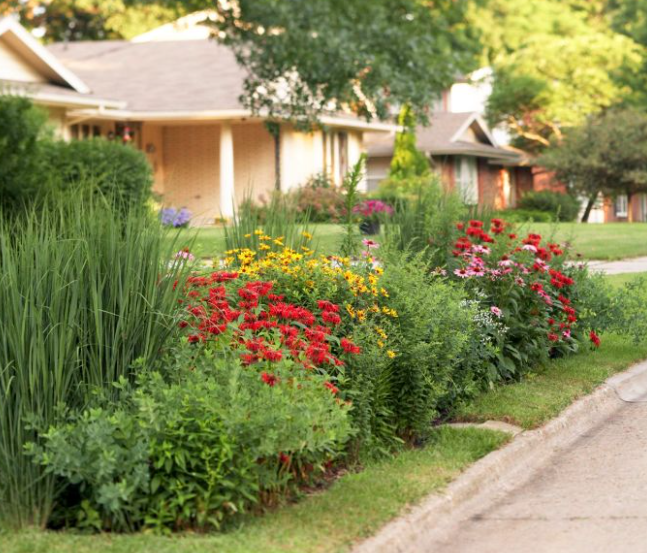
Creating a butterfly garden is a delightful way to enhance your outdoor space and support local wildlife. With the right plants and design, you can turn your yard into a vibrant haven for these beautiful creatures. Here are some creative landscaping ideas to get you started on your butterfly-friendly garden.
1. Choose the Right Plants
The cornerstone of any butterfly garden is the selection of plants. Butterflies are attracted to nectar-rich flowers that bloom at different times throughout the growing season. Popular choices include lavender, coneflowers, and milkweed, each providing not just food for butterflies but also aesthetic appeal to your garden.
In addition to nectar plants, it’s essential to include host plants for caterpillars. For instance, monarch butterflies rely on milkweed, while fennel and dill attract swallowtail larvae. By offering a mix of both types, you’ll create a balanced environment for all stages of the butterfly life cycle.
-
- Research local butterfly species to choose suitable plants.
-
- Look for native plants that thrive in your area.
-
- Plan for a variety of bloom times to feed butterflies throughout the season.
-
- Include both nectar and host plants for a complete ecosystem.
2. Design for Accessibility
To truly attract butterflies, your garden should be an inviting space that allows for easy movement and access. Design your garden with open areas and paths that encourage butterflies to flutter freely from flower to flower. This can also make it easier for you to enjoy the beauty of your garden up close.
A water feature, like a shallow dish filled with pebbles and water, is a great addition. Butterflies need water to drink, and having a safe place to land and sip will increase their visitation. Ensure the water source is shallow and secure to avoid any drowning risks.
-
- Design open garden spaces with good visibility.
-
- Incorporate pathways for easy access and maintenance.
-
- Add a shallow water feature for butterfly drinking.
-
- Place seating nearby for enjoyment and observation.
3. Create Shelter and Sunshine Spots
Butterflies thrive in environments that offer spots for basking in the sun as well as shelter from wind and rain. Tall native grasses or perennial shrubs can provide excellent cover, while sunny areas should be devoid of any obstacles to ensure warmth. Elements like logs or rocks can also serve dual purposes as both shelter and basking platforms.
It is significant to consider how the layout of your garden will provide these elements. A front-row of shorter plants can lead to a cluster of taller ones to create a natural shelter. Be sure to position your garden strategically to receive ample sunlight, which will warm the surrounding area and make it more inviting for butterflies.
-
- Identify sunny spots for installation of your garden.
-
- Incorporate taller plants for sheltering smaller species.
-
- Use natural elements like stones for basking areas.
-
- Avoid barriers that might obstruct butterfly movement.
4. Minimize Pesticides
One of the most crucial practices for a butterfly-friendly garden is the reduction of pesticides and herbicides. These chemicals can be harmful not just to butterflies but to the overall ecosystem. Instead, consider organic methods of pest control, such as introducing beneficial insects like ladybugs or using natural repellents.
Regularly inspecting your plants can also help identify any issues before they become significant problems. Hand-picking pests or using mixtures of soap and water can be effective without harming your beneficial garden residents. By creating a natural balance, your butterfly garden can thrive without unnecessary chemicals.
-
- Opt for organic pest control solutions.
-
- Regularly check plants for pests.
-
- Encourage beneficial insects in your garden.
-
- Use natural mixtures for pest deterrence.
5. Engage and Educate
A butterfly garden can serve as an excellent educational opportunity for children and adults alike. Consider posting signs describing the different species of butterflies visiting your garden. This can foster a deeper appreciation for nature and encourage stewardship of the environment.
Involving community events or workshops can also amplify the impact of your butterfly garden. Invite local schools or community groups to participate in planting and maintaining the garden. This not only creates a sense of ownership but also spreads awareness about the importance of butterflies and their habitat.
-
- Create informational signs about the butterflies in your area.
-
- Host community gardening days for involvement.
-
- Provide resources for maintaining butterfly-friendly practices.
-
- Engage local schools in educational activities.
Building a butterfly garden is not just aesthetically pleasing but beneficial for the ecosystem. By selecting the right plants, designing with accessibility in mind, providing shelter, minimizing chemicals, and engaging with the community, you can create a flourishing environment. Start your butterfly garden today and watch nature come alive in your backyard!