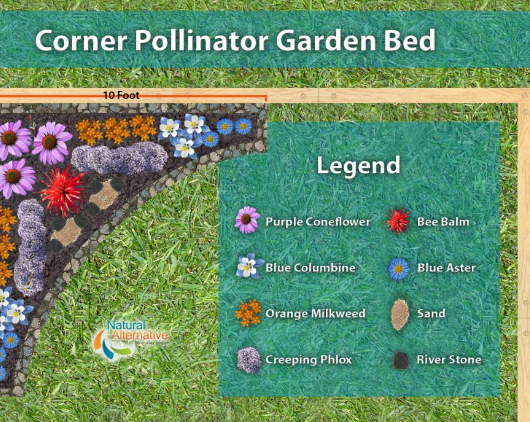
Creating a bee-friendly garden is a delightful way to contribute to the health and sustainability of our ecosystem. By planting specific flowers and providing suitable habitats, you can attract these vital pollinators to your garden. Here’s how to get started on your buzzing sanctuary!
1. Choose Bee-Friendly Plants
The foundation of a bee-friendly garden is a diverse selection of flowers that bloom at different times throughout the growing season. Native plants are especially effective, as they provide the bees with the nectar and pollen they need. Examples include coneflowers, lavender, and milkweed, all known to attract a variety of bee species.
In addition to native plants, consider including a mix of annuals and perennials. This diversity allows for continuous blooming throughout the seasons, ensuring that bees have ample food sources. Incorporating herbs such as thyme, mint, and basil will not only be beneficial for bees but will also add flavor to your culinary endeavors.
-
- Prioritize native plants for better adaptation.
-
- Include plants that flower at various times.
-
- Incorporate a mix of annuals and perennials.
-
- Consider edible herbs that bees also love.
-
- Avoid hybrid flowers that offer little to no nectar.
2. Provide Nesting Sites
While flowers provide nourishment, bees also need safe spaces to nest and raise their young. Many bee species are solitary and create their homes in the ground or in hollow stems and wood. You can help by leaving some undisturbed areas in your garden, filled with bare soil, so ground-nesting bees can thrive.
Another effective way to offer nesting sites is by creating bee hotels. These structures can be easily made from bamboo sticks or drilled wooden blocks, giving solitary bees a safe place to lay their eggs. Set up bee hotels in sunny locations, away from strong winds, to encourage occupancy.
-
- Leave some areas of bare soil in the garden.
-
- Build bee hotels using bamboo or wood blocks.
-
- Avoid using pesticides that can harm nesting sites.
-
- Place nesting sites in sunny, sheltered locations.
-
- Encourage natural materials like twigs and leaf litter.
3. Avoid Pesticides and Chemicals
One of the biggest threats to bee populations is the use of pesticides and herbicides, which can be toxic to these important pollinators. Many common gardening chemicals can disrupt the hormonal systems of bees, leading to death or impaired functionality. Opt for organic pest control methods, such as introducing beneficial insects or using natural repellents to protect your plants.
Additionally, timing is key when it comes to applying any treatments to your garden. If you must use any chemical products, consider applying them in the late evening when bees are less active. This will minimize their exposure and help to maintain a healthier environment for them.
-
- Choose organic pest control options.
-
- Introduce beneficial insects like ladybugs.
-
- Apply treatments in the evening to avoid bees.
-
- Regularly monitor plants for pests to prevent infestations.
-
- Educate yourself about harmful chemicals and limit their use.
4. Create Water Sources
Bees require water for hydration and to help regulate the temperature in their hives. Providing a water source in your garden can support bee populations during hot and dry conditions. A small birdbath or shallow dish filled with stones can create a safe, accessible area for bees to drink without the risk of drowning.
Make sure to keep this water source clean and refreshed regularly. Adding a few pebbles or marbles can give bees a safe platform to land on while sipping water. Setting up a small fountain can also attract bees, offering a continuous source of fresh water.
-
- Provide shallow water sources such as birdbaths.
-
- Add pebbles or marbles for safe landing spots.
-
- Keep water sources clean and well-maintained.
-
- Consider a small fountain for continuous access.
-
- Place water sources near flowering plants for ease of access.
5. Educate and Engage
Building a bee-friendly garden can be a community effort. Share your knowledge about bees and gardening with friends, family, and neighbors. You can start a small group or club focused on creating bee habitats in your community. Engaging with others will not only enrich your own understanding but also foster a broader appreciation for these vital pollinators.
Participate in local workshops or events focused on sustainability and pollinator health. Your involvement can inspire others to take action, enhancing the well-being of bees in your neighborhood. Building a network of bee advocates can help to raise awareness and encourage others to cultivate bee-friendly spaces.
-
- Start conversations about the importance of bees.
-
- Organize community gardening events focused on bee habitats.
-
- Make and distribute pamphlets or guides on bee-friendly gardening.
-
- Participate in local sustainability workshops.
-
- Encourage schools to teach students about pollinators.
By taking these steps to create a bee-friendly garden, you will not only help sustain bee populations but also enrich your own gardening experience. Get started today, and you’ll be amazed by the beauty and life that these wonderful pollinators bring to your garden!