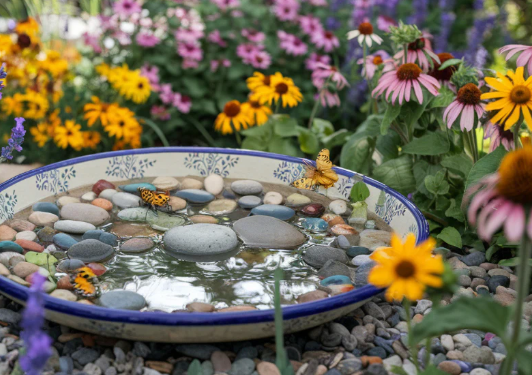
Creating a pollinator garden is a fantastic way to support crucial species like bees, butterflies, and birds. An essential aspect of these gardens is water sources, which provide hydration for pollinators and enhance the overall health of your plants. This blog post will dive into the importance of water in your pollinator garden and identify various effective water sources.
1. Understanding the Need for Water
The role of water in a pollinator garden cannot be overstated. Just like all living creatures, pollinators depend on water for survival. Bees, for instance, require water not only for hydration but also for regulating the temperature of their hives. Butterflies utilize water to help them digest food and maintain their energy levels. Understanding this need is the first step toward creating a thriving environment that attracts and sustains these essential species.
Moreover, having readily available water sources in your garden enhances the overall ecoculture of the area. It attracts a wider variety of pollinators and beneficial insects while nurturing nearby plant life. As a result, your garden can transform into a vibrant ecosystem that promotes biodiversity and sustainability.
-
- Choose diverse, native plants to create an appealing habitat.
-
- Ensure plants are watered consistently, especially during dry spells.
-
- Observe and note which pollinators frequent your garden for future planning.
-
- Provide clean and shallow water sources to avoid drowning risks.
2. Types of Water Sources for Your Pollinator Garden
There are several creative and effective ways to integrate water sources into your pollinator garden. Bird baths are one of the most popular choices as they provide both drinking and bathing opportunities for birds, bees, and other pollinators. You can enhance these installations by adding stones or pebbles for additional safety and play areas for smaller creatures.
Another great option is to create a small pond or water feature. Even mini-ponds can support various aquatic life while giving pollinators a place to hydrate. It’s crucial, though, to ensure that your water source is clean and the water levels are maintained regularly. Stagnant water can lead to unwanted pests, detracting from the good work your garden is doing.
-
- Install bird baths with accessible landing spots.
-
- Consider mini-ponds equipped with filtration to keep water fresh.
-
- Add decorative stones or gravel around water sources to enhance aesthetics.
-
- Regularly clean water sources to prevent algae growth and mosquitoes.
3. Enhancing Water Sources for Pollinator Attraction
To make your water sources even more appealing to pollinators, consider adding plants that thrive in or near the water. Native aquatic plants like water lilies or marsh marigolds can create a natural look while providing essential habitat. These plants not only aid in the visual appeal of your garden but also introduce flourishing ecosystems around your water sources.
In addition to planting, adding features like small fountains or bubbling rocks can attract pollinators to your garden. The sound of running water serves as an inviting call for many species, making it more likely they will visit. Furthermore, ensure that any decorations do not scare away smaller insects but instead provide them with safe spots to rest or drink.
-
- Add marginal plants to enhance biodiversity around water sources.
-
- Create movement in the water to attract more pollinators.
-
- Position water sources in sunny areas to encourage pollinator visits.
-
- Ensure plants around the water’s edge are pollinator-friendly.
4. Maintenance of Water Sources
Maintaining your water sources is vital for a healthy pollinator garden. Regularly checking water levels, cleaning out debris, and changing water frequently will keep the sources safe for your visitors. It’s also advisable to monitor for algae build-up and signs of pests, as these can deter pollinators.
Additionally, consider the timing of your cleaning and maintenance routine. Early morning or late in the evening are ideal times, as this is when most pollinators are at work. By cleaning during these times, you’ll minimize disruption while ensuring your water sources remain an inviting environment.
-
- Schedule regular cleanings to prevent fostering pests.
-
- Change water every few days to keep it fresh.
-
- Monitor water levels frequently, especially during hot spells.
-
- Document changes or improvements to track what works best in your garden.
Creating a pollinator-friendly water source takes planning and ongoing maintenance, but the benefits to your garden and local pollinator populations are invaluable. By following the tips outlined here, you can create an oasis that attracts, supports, and delights a variety of pollinators. Take the next step and start planning your water sources today; your garden and the essential creatures within it will thank you!