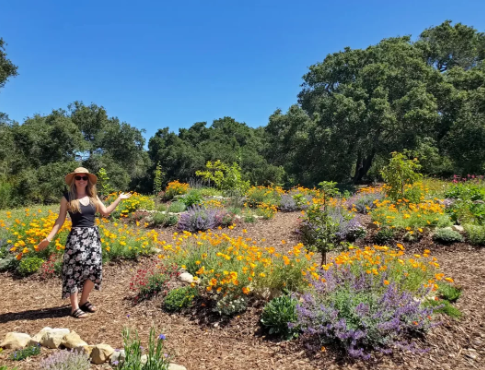
Creating a pollinator garden is a rewarding way to support local ecosystems while beautifying your landscape. Trees provide essential habitats for bees, butterflies, and birds, making them a perfect choice for your garden plan. In this post, we’ll explore several tree options that not only attract pollinators but also enhance your garden’s aesthetic.
1. Flowering Dogwood (Cornus florida)
The flowering dogwood is a stunning tree that offers both beauty and functionality. Blooming in the spring, its white or pink flowers are a magnet for bees and butterflies. Additionally, the tree produces small, red berries in the fall, providing food for various bird species. With its graceful form and seasonal color changes, it seamlessly fits into any garden design.
When planting a flowering dogwood, consider its preferences for well-drained soil and partial shade. This tree typically grows to about 15-30 feet tall, which makes it suitable for smaller yards. Make sure to water it regularly during its first few years to establish a robust root system. Ultimately, this tree serves as an exemplary model of how aesthetics and ecology can go hand in hand.
-
- Choose a location with partial sunlight.
-
- Prepare well-drained soil to prevent root rot.
-
- Water regularly for the first two years.
-
- Consider companion planting with shrubs that attract additional pollinators.
-
- Prune lightly to maintain shape.
2. Red Maple (Acer rubrum)
Known for its vibrant fall colors, the red maple is a fast-growing tree that attracts a variety of pollinators. In early spring, it produces small, inconspicuous flowers that offer nectar to bees and other early foragers. Beyond its beauty, the red maple improves local biodiversity by providing a habitat for numerous wildlife species.
This tree thrives in moist soils and can tolerate both wet and dry conditions, making it a versatile choice for various locations. Typically reaching heights of 40-60 feet, it’s ideal for larger gardens or landscape spaces where it can spread its branches. Regularly monitoring for pests and diseases is essential to keep this tree healthy and flourishing.
-
- Ensure the soil is consistently moist.
-
- Plant in an area where there is enough space for growth.
-
- Watch for pests such as aphids and treat promptly.
-
- Plan to plant alongside complementary species for visual interest.
-
- Consider using mulch to retain moisture and regulate temperature.
3. Black Cherry (Prunus serotina)
The black cherry tree is not only valued for its stunning wood but also for its ability to enhance local biodiversity. During late spring, it produces clusters of white flowers that attract bees and other pollinators. Following the flowering phase, the tree bears small cherries, which are a food source for birds and other wildlife throughout the summer.
Black cherries thrive in various soil types, but prefer well-drained conditions. They grow best in full sun, reaching a height of 50-80 feet—making them perfect for larger areas that need shade and greenery. To enjoy the beauty of this tree while benefiting local wildlife, consider planting a few black cherries in your garden landscape.
-
- Select a sunny location with good drainage.
-
- Plant in spring or fall for the best results.
-
- Monitor soil moisture levels, especially during dry seasons.
-
- Thin out branches in early spring to maintain structure.
-
- Use native shrub underplantings to enhance pollinator support.
4. Eastern Redbud (Cercis canadensis)
The Eastern redbud is renowned for its spectacular early spring blooms, which can be a vibrant pink to purple hue. These flowers are an essential nectar source for bees as they emerge from their winter slumbers. This small- to medium-sized tree is not just a visual delight; it also attracts a variety of pollinators, including butterflies and hummingbirds.
Reaching heights of up to 30 feet, the Eastern redbud fits perfectly in small gardens or as an understory tree in larger spaces. It thrives in well-drained soil and can adapt to different light conditions, although it prefers full sun. Regular watering during dry spells and a touch of annual pruning will ensure a healthy, vibrant tree that enhances your pollinator garden.
-
- Plant in well-drained soil with plenty of sunlight.
-
- Water regularly in dry periods until established.
-
- Consider seasonal pruning for shape and health.
-
- Pair with spring-blooming flowers for a multi-layered garden.
-
- Be cautious of pest infestations like leafhoppers.
5. American Linden (Tilia americana)
The American linden, or basswood, is often overlooked but is a treasure for pollinators. In summer, it produces fragrant yellow flowers that are a favorite among bees. Additionally, the tree’s heart-shaped leaves provide excellent shade, making it a wonderful choice for those hot summer days.
This tree prefers moist, well-drained soils and can grow to impressive heights of 50-80 feet. It’s ideal for landscape parks and gardens where space allows for its expansive canopy. Regular attention to watering during the first few years and occasional pruning will help you maintain a healthy and flourishing linden tree that supports local wildlife.
-
- Grow in rich, moist soil with good drainage.
-
- Avoid planting in overly dry or compacted areas.
-
- Regularly check for signs of aphids or diseases.
-
- Encourage pollinators by planting in groups with other flowers.
-
- Plan for ample space as this tree can grow large.
In conclusion, integrating pollinator-friendly trees like the flowering dogwood, red maple, black cherry, Eastern redbud, and American linden can significantly enhance your garden. Not only will these trees beautify your landscape, but they will also support essential wildlife populations. Start planning your pollinator garden today to create a thriving ecosystem in your backyard!