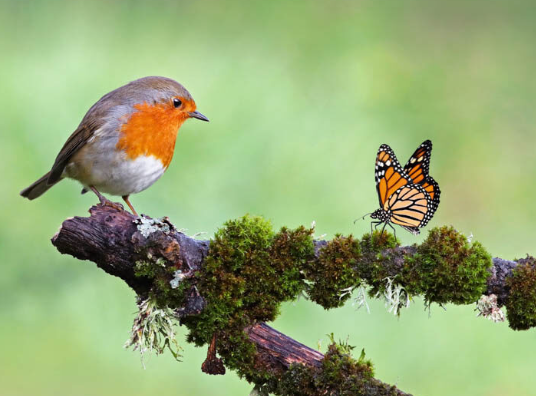
Creating a wild garden is a delightful way to attract bees and butterflies, helping to sustain these vital pollinators. Not only will you enhance the beauty of your outdoor space, but you will also support biodiversity and contribute to the health of the ecosystem. Let’s explore how to create a vibrant wild garden that welcomes these beautiful creatures.
1. Choosing the Right Plants
Plants play a crucial role in attracting bees and butterflies. Selecting a variety of native plants that bloom at different times throughout the growing season will ensure that there is a continuous source of nectar and pollen. For example, consider planting colorful asters and sunflowers, which attract various bee species, alongside flowering plants like echinacea and milkweed that are favorites of butterflies.
Moreover, it’s essential to group plants in clusters rather than scattering them throughout the garden. This makes it easier for pollinators to find food sources. The more plant species you can include, the better. Incorporating specific plants like lavender, bee balm, and phlox can create a haven for these pollinators.
-
- Choose native plants suited for your region.
-
- Plan for plant diversity by including flowers, herbs, and grasses.
-
- Opt for perennials for long-lasting blooms.
-
- Consider plants that thrive in your garden’s specific sunlight and soil conditions.
-
- Incorporate plants with varying bloom times for extended flowering periods.
2. Designing the Garden Layout
The layout of your wild garden can significantly impact its appeal to bees and butterflies. Ideally, create sun-drenched areas with windbreaks and sheltered spots, as most pollinators prefer warm, sunny environments. Design paths with wide beds to accommodate clusters of flowers that provide easy access and encourage exploration.
Additionally, incorporating water sources, such as shallow dishes with pebbles or birdbaths with rocks, can be beneficial. These serve not only as drinking spots but also as places for butterflies to hydrate and feed. Ensure the water isn’t too deep, as pollinators can drown easily.
-
- Map out sun and shaded areas in your garden.
-
- Include pathways for accessibility.
-
- Integrate water features for hydration.
-
- Create sheltered spots using taller plants or structures.
-
- Think about the wind direction to protect plants from harsh elements.
3. Providing Habitat and Shelter
In addition to food sources, bees and butterflies need safe spaces to rest and nest. Consider leaving some parts of your garden undisturbed, such as small brush piles or patches of bare soil, which are ideal for ground-nesting bees. Also, providing small habitats like bee hotels can encourage solitary bees to take up residence and flourish.
Butterflies particularly benefit from dense foliage, which offers protection against predators. Planting shrubs or taller flowering plants can create a layered environment where these insects feel secure. Native grasses can be a superb shelter option when arranged in clumps to mimic natural habitats.
-
- Leave areas of bare soil for ground-nesting bees.
-
- Create brush piles to provide shelter.
-
- Install bee hotels in sunny, dry locations.
-
- Choose plants that offer dense foliage for protection.
-
- Avoid using pesticides, as they can harm pollinators.
4. Caring for Your Wild Garden
A thriving wild garden requires ongoing care, making it essential to understand the specific needs of your plants. Regular watering and mulching can help retain soil moisture, particularly during dry spells. Also, monitor the health of your plants and look out for pests; healthy plants are better able to withstand challenges.
It’s also an excellent idea to practice organic gardening methods. Avoid using harmful chemicals that can harm pollinators. Instead, opt for natural pest traps or companion planting, which can deter pests while supporting biodiversity in your garden.
-
- Water your plants regularly, especially in dry conditions.
-
- Use organic gardening practices to maintain a healthy ecosystem.
-
- Mulch to preserve soil moisture and suppress weeds.
-
- Regularly check for pests and treat them naturally.
-
- Encourage native wildlife by avoiding chemical pesticides.
5. Engaging with the Community
Creating a wild garden is not only a personal project but can also be a community endeavor. Consider engaging with local gardening clubs, schools, or community groups to promote the importance of pollinator-friendly practices. Holding workshops on creating wild gardens can inspire others to contribute to pollinator conservation.
Additionally, sharing your experiences through social media or community boards helps to spread awareness and gather support for the sustainability of local ecosystems. Collaborating with others can result in increased biodiversity and more blooming gardens, which collectively support bees and butterflies.
-
- Organize community garden days to promote wild gardening.
-
- Host workshops on pollinator-friendly gardening.
-
- Create online groups to share successes and tips.
-
- Encourage neighbors to plant similar flowers for greater impact.
-
- Share your garden’s progress on social media to inspire others.
By creating a wild garden for bees and butterflies, you not only enhance the beauty of your surroundings but also contribute to vital ecological processes. So why not dive in, start planning, and create an environment that is inviting for these important pollinators? Every small action contributes to making a bigger impact on our planet’s health.