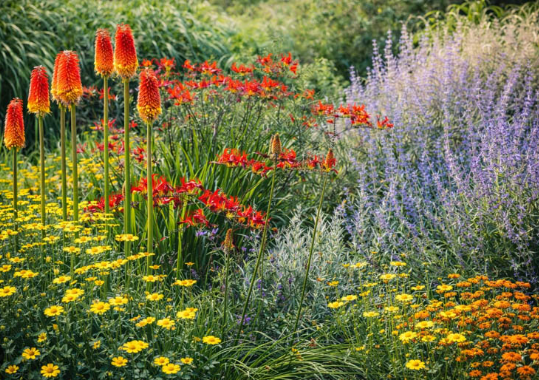
Creating a pollinator-friendly garden border is an excellent way to support vital ecosystems while enhancing the beauty of your outdoor space. By selecting the right plants and employing thoughtful design, you can attract various pollinators such as bees, butterflies, and even hummingbirds, contributing positively to your local environment.
1. Choosing the Right Plants
When designing your pollinator-friendly garden border, the first step is to select plants that provide nectar and pollen. Native plants are particularly effective as they have evolved alongside local pollinators. For instance, milkweed attracts monarch butterflies, while bee balm is a favorite of various bee species. Research your region’s native flora to find the most suitable options that will thrive in your garden.
In addition to native plants, consider adding a mix of flowering plants that bloom at different times throughout the season. This ensures a continuous food supply for pollinators. Early bloomers such as crocus and late-season flowers like asters can provide sustenance from spring through fall, giving pollinators a reliable source of food year-round.
-
- Research local native plants that attract pollinators.
-
- Choose a mix of plants that bloom at various times.
-
- Consider incorporating herbs like lavender and rosemary.
-
- Use plants with different shapes and sizes to attract various species.
2. Designing for Accessibility
The design of your garden border is crucial for making it accessible and inviting for pollinators. Ensure that the plants are arranged in clumps rather than singly scattered. This clustering makes it easier for pollinators to locate food sources. For instance, a group of coneflowers can attract more bees than just one plant scattered in the garden.
Additionally, consider the height of your plants. Taller plants should generally be placed at the back of the border, with shorter varieties in front. This structure not only enhances the visual appeal but also protects the smaller plants from wind and provides a natural habitat for ground-nesting bees. Leaving some areas of bare soil also encourages native ground-nesting bees to set up home in your garden.
-
- Cluster plants in groups for better visibility for pollinators.
-
- Design your borders with varying heights for added habitat.
-
- Leave some bare patches of soil for nesting.
-
- Avoid crowded planting to give each plant enough space.
3. Avoiding Harmful Chemicals
For a pollinator-friendly garden, it’s essential to avoid using chemical pesticides and herbicides. These substances can harm beneficial insects and disrupt their vital roles in ecosystem health. Instead, consider organic gardening practices, such as using natural repellents or introducing beneficial insects that prey on harmful pests. For example, ladybugs can manage aphid populations without harming your pollinators.
Additionally, maintaining a healthy garden environment helps reduce the prevalence of pests. Practices such as rotating plants, composting, and promoting biodiversity can keep the ecosystem in balance and minimize the need for chemical interventions. This holistic approach ensures a thriving garden where pollinators can flourish.
-
- Implement organic pest control methods.
-
- Encourage beneficial insects to help with pest management.
-
- Maintain diversity in your plant selection to support a balanced ecosystem.
-
- Use mulch to suppress weeds instead of herbicides.
4. Creating Water Sources
Just like any other living creature, pollinators need water to survive. Creating a small water source in your garden can greatly increase its attractiveness to bees and butterflies. Simple solutions include shallow dishes filled with water, stones, or marbles that provide safe landing spots for pollinators to drink from without risking drowning. Alternatively, a small fountain can add both beauty and function.
Be sure to regularly change the water to prevent stagnation and algae growth. A fresh water supply makes your garden more inviting and supports the health of the pollinators. If you have a birdbath, consider adding small rocks or pebbles to increase safety for smaller pollinators.
-
- Create shallow water sources like dishes or bowls.
-
- Use small stones or marbles to help pollinators land safely.
-
- Change water regularly to keep it fresh and clean.
-
- Include a small fountain for both aesthetics and function.
5. Educating and Engaging Neighbors
Your efforts to create a pollinator-friendly garden can have a ripple effect in your community. Engage with neighbors by sharing the benefits of pollinator gardens and even invite them to join you in this initiative. Organize workshops or community events to plant native flowers together, further expanding the network of supportive environments for pollinators. A collective effort can significantly amplify the impact of individual gardens on local bee, butterfly, and other pollinator populations.
Feel free to create informative signage in your gardens, explaining the importance of pollinators and how they contribute to ecosystem health and food production. This public awareness can inspire others to consider making their own spaces more pollinator-friendly, contributing to a healthier environment for all.
-
- Share your knowledge through community workshops.
-
- Create informative signs in your garden.
-
- Invite neighbors to join you in planting days.
-
- Encourage local schools to participate in pollinator education.
Contributing to a pollinator-friendly environment offers both personal fulfillment and ecological benefits. By selecting the appropriate plants, designing with purpose, avoiding harmful chemicals, providing essential resources like water, and engaging your community, you can help create a safe haven for these vital creatures. Start planning your garden now, and watch as it transforms into a vibrant ecosystem supporting our precious pollinators.