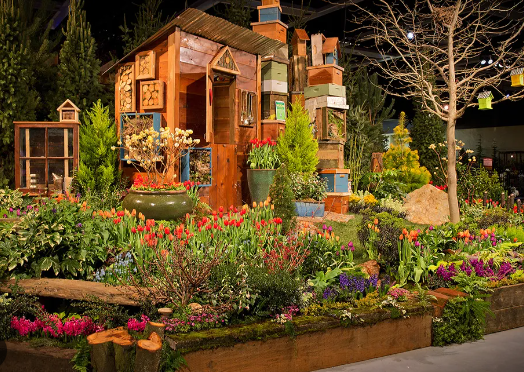
Creating a garden that attracts butterflies and bees can greatly enhance the biodiversity of your outdoor space while providing essential habitats for these important pollinators. By incorporating specific plants and practices, you can transform your garden into a vibrant ecosystem that supports these beautiful creatures.
1. Choosing the Right Plants
To build a successful garden for butterflies and bees, you need to select the right plants. Native species are often the best choices because they are adapted to your local climate and provide the most accessible food sources for these insects. Consider planting colorful flowers like asters, coneflowers, and milkweed, which are favorites among pollinators.
Additionally, varieties that bloom at different times throughout the season will ensure that food is available for butterflies and bees all year round. Including a mix of flowering herbs, like lavender and rosemary, can also attract these pollinators while providing you with culinary delights.
-
- Research native plants specific to your region.
-
- Incorporate flowers that bloom in various seasons.
-
- Include herbs that also attract pollinators.
-
- Choose plants with different flower shapes for diverse pollinator access.
2. Creating Shelter and Water Sources
Butterflies and bees also need shelter from predators and harsh weather. Creating sheltered areas using bushes, tall grasses, or even specially designed bee hotels can encourage them to reside in your garden. These structures can protect against strong winds and provide a safe environment for them to nest or rest.
Additionally, incorporating a water source such as a shallow bird bath or dish filled with gravel can provide hydration for these creatures. Make sure the water is shallow enough for them to land safely while preventing drowning, especially for smaller insects like bees.
-
- Add native shrubs and grasses for natural shelter.
-
- Install bee hotels in sunny spots.
-
- Provide a water source with pebbles to prevent drowning.
-
- Ensure areas are not overly manicured to promote natural habitats.
3. Minimizing Chemical Use
In order to foster a thriving garden for butterflies and bees, it is crucial to minimize or eliminate the use of chemical pesticides and herbicides. These substances can be harmful, not only to the targeted pests but also to beneficial insects and other wildlife. Consider using organic pest control methods, such as introducing natural predators or using insecticidal soaps.
Before applying any product, it’s important to read the labels carefully and understand their potential impact on pollinators. In many cases, simply embracing a more natural gardening approach can lead to healthier and more sustainable ecosystems.
-
- Opt for organic pest control methods.
-
- Read labels and understand the impact of each product.
-
- Encourage natural predators to manage pest populations.
-
- Practice companion planting to enhance plant health.
Creating a garden that supports butterflies and bees is a rewarding endeavor that contributes to environmental health and beauty. Begin by selecting the right plants, providing the necessary shelter, and minimizing harmful chemicals. With care and commitment, you can help foster a sanctuary for these vital pollinators in your own backyard.