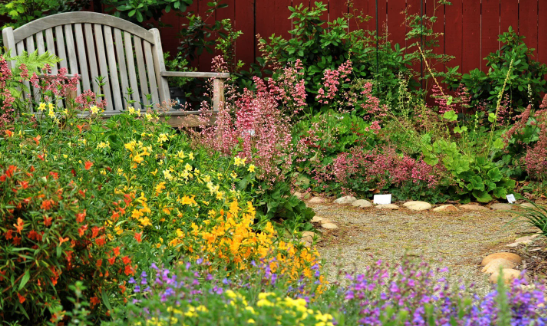
Creating a peaceful pollinator garden is a fulfilling project that not only beautifies your space but also supports vital ecosystems. These gardens attract bees, butterflies, and other pollinators that play a crucial role in our food production and natural environments. In this post, we’ll explore key elements to consider while setting up your own tranquil retreat for these important creatures.
1. Choosing the Right Location
When starting your pollinator garden, the location is perhaps the most significant factor to consider. Pollinators are particularly drawn to sunny spots where they can easily find food. Aim for an area that receives at least six hours of direct sunlight each day. Additionally, consider the wind direction; a sheltered location can protect delicate pollinators from harsh winds.
Take time to observe the flow of the sun and any existing vegetation before you begin. Shady areas or places close to heavy foot traffic may not be ideal for your pollinator paradise. Remember, your garden should be a peaceful sanctuary not just for the insects, but also for yourself as you enjoy watching them thrive.
-
- Select a sunny spot in your yard.
-
- Ensure minimal foot traffic around the garden.
-
- Avoid areas with heavy wind exposure.
-
- Consult local gardening resources for climate-specific advice.
2. Selecting Native Plants
Choosing native plants can significantly enhance the effectiveness of your pollinator garden. Native plants are adapted to the local environment and provide the necessary nutrients that local pollinators need. A diverse collection of blooms that flower in various seasons will ensure food is available from spring through fall.
Incorporate plants such as coneflowers, milkweed, and black-eyed Susans, which are particularly attractive to bees and butterflies. It’s also wise to avoid hybrid varieties, as they often lack the same nutritional benefits. Researching your local ecosystem will help you discover which plants will flourish best in your area.
-
- Choose plants that bloom at different times of the year.
-
- Incorporate a mix of colors and shapes to attract a variety of pollinators.
-
- Opt for native plants that require less maintenance.
-
- Research detrimental plants to avoid that may disrupt local ecosystems.
3. Creating Shelter and Water Sources
Pollinators need more than just food; they also require shelter and water to thrive. You can create habitats by including features such as small rocks or logs, which offer resting places for insects. Additionally, installing some native grasses can provide a safe environment for them to hide from predators.
Water sources are vital, too. Simple additions like shallow birdbaths or small puddling areas can attract butterflies and bees seeking hydration. Just ensure that the water is shallow enough so the pollinators can safely access it without the risk of drowning.
-
- Add rocks or logs to create natural shelter.
-
- Include native grasses in your garden layout.
-
- Install a shallow birdbath for water access.
-
- Keep water sources clean and refill them regularly.
4. Going Chemical-Free
Using chemical pesticides and herbicides can be detrimental to pollinators. Many popular gardening products contain harmful substances that can kill bees, butterflies, and other beneficial insects. Educating yourself about organic gardening methods will ensure a safe environment for pollinators to flourish.
Instead of chemicals, consider using natural alternatives, such as neem oil or insecticidal soap, to manage pests. Additionally, encouraging natural predators—like ladybugs and lacewings—can help keep harmful populations in check without endangering pollinators.
-
- Research natural pest control methods.
-
- Opt for organic fertilizers to maintain soil health.
-
- Encourage natural predators in your garden.
-
- Read labels to ensure any gardening products are non-toxic to insects.
5. Engaging with the Community
Your pollinator garden has the potential to inspire others. Engaging with local gardening clubs or participating in community events can elevate awareness about pollinator-friendly practices. Many organizations offer resources or support to create communal spaces that benefit local wildlife.
Consider hosting an open garden day or collaborating with nearby schools or institutions for educational opportunities. Sharing what you’ve learned about pollinator gardens helps cultivate a culture of care within your community.
-
- Join local gardening groups for support.
-
- Share your gardening experiences on social media.
-
- Organize community workshops about pollinator importance.
-
- Promote local pollinator initiatives and programs.
Creating a peaceful pollinator garden can be a rewarding venture that benefits both you and the environment. By following these guidelines, you’ll not only develop a beautiful garden space but also contribute to the well-being of essential pollinators. Why wait? Start planning your garden today and take a step towards a healthier ecosystem!