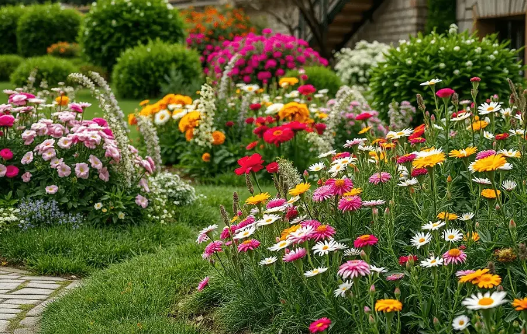
Creating a pollinator garden can transform your outdoor living space into a vibrant, thriving ecosystem. Not only do these gardens support vital pollinators like bees and butterflies, but they also enhance the beauty and functionality of your yard.
1. Choosing the Right Plants
Selecting the right plants is crucial for establishing a successful pollinator garden. Opt for native plants that are well-adapted to your local climate and soil conditions. Examples include coneflowers, black-eyed Susans, and milkweed, which are favorites among various pollinators. These plants not only provide food but also nesting habitats for creatures like bees.
Different pollinators are attracted to specific types of flowers. For instance, butterflies are more inclined to visit brightly colored blooms, while bees prefer sweet-scented flowers. Consider planting a mix of perennials and annuals to ensure a steady bloom time throughout the growing season.
-
- Research native plants that thrive in your area.
-
- Incorporate a variety of colors and shapes for visual appeal.
-
- Check for plants that bloom at different times to maintain a food source.
-
- Stay away from hybrid plants that aren’t beneficial for pollinators.
2. Designing Your Pollinator Habitat
The layout of your pollinator garden can significantly impact its effectiveness. Aim for clusters of plants instead of single species spread throughout the yard. This technique creates a more inviting environment for pollinators, who prefer to forage in groups rather than scattered individuals. Building layers with taller plants in the back and shorter ones in the front can make your garden more visually striking while ensuring accessibility for pollinators.
Incorporating features like water sources and shelter increases the garden’s appeal. A small birdbath can provide hydration, while logs or stones can serve as resting spots and safe retreats. Think about creating small pathways to encourage different species to explore your garden without feeling threatened.
-
- Group plants together for effective foraging.
-
- Utilize varying heights to create a visually dynamic space.
-
- Incorporate water features for hydration.
-
- Add shelter such as logs or stones for refuge.
3. Maintaining Your Pollinator Garden
Ongoing maintenance is essential for the health of your pollinator garden. Regularly check for weeds that can compete with your plants for nutrients and water. Using organic mulch not only reduces weeds but also preserves moisture in the soil, benefiting both your plants and the pollinators that depend on them.
Pest control should be managed mindfully, focusing on organic methods rather than chemical pesticides that can harm pollinators. Natural deterrents can be effective. For example, introducing ladybugs helps control aphid populations without chemical intervention, thus maintaining a safe environment for beneficial insects.
-
- Regularly weed and mulch your garden.
-
- Monitor pests and use organic methods for management.
-
- Inspect plants for signs of diseases.
-
- Ensure that water sources are clean and fresh.
4. Engaging with the Community
Creating a pollinator garden can also be a communal effort that brings neighbors together. Consider organizing workshops or community events to educate others about the importance of pollinators in our ecosystems. Share tips on planting and maintaining gardens, or even host planting days to help community members kickstart their own projects.
Additionally, creating a community pollinator garden can amplify the impact of individual efforts. Larger shared spaces can provide diverse habitats that support a wider variety of pollinators. By working together, you can create a more significant impact in improving local biodiversity and raising awareness about pollinator conservation.
-
- Host educational events on pollinator gardening.
-
- Collaborate with neighbors for a community garden project.
-
- Share resources and tips on local gardening groups or social media.
-
- Encourage local schools to engage students in pollinator projects.
Starting a pollinator garden not only enriches your outdoor living space but also supports essential ecological networks. Whether you’re gardening on your own or promoting community efforts, every action counts. So, roll up your sleeves, get planting, and contribute to a healthier environment for our buzzing friends!