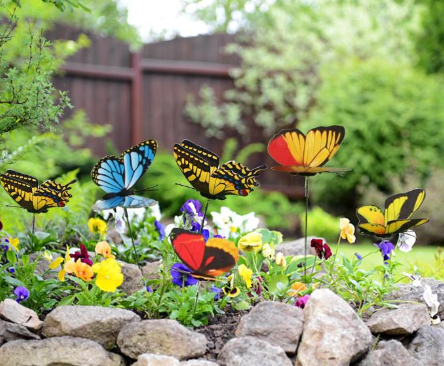
Creating a colorful butterfly garden is a delightful project that not only adds beauty to your outdoor space but also supports local ecosystems. Butterflies are not just visually stunning; they also play a crucial role in pollination. By following these tips and ideas, you can create a thriving environment that attracts a diverse array of butterfly species.
1. Selecting the Right Plants
The first step in establishing your butterfly garden is choosing the right plants. Native plants are essential as they are adapted to your local climate and soil conditions, making them more resilient. Examples include milkweed, a host plant for monarch caterpillars, and coneflowers, which provide nectar for adult butterflies. Consider creating a layered garden by combining ground covers, flowering perennials, and shrubs for added depth and variety.
In addition to native plants, incorporate a mix of flowering species that bloom at different times throughout the growing season. This ensures that there is food available for butterflies from early spring through late fall. Look for flowers in vibrant colors—such as yellow, orange, and purple—as these hues tend to attract butterflies more effectively.
-
- Research local native plants and their growing requirements.
-
- Choose a mix of annuals and perennials for continuous blooms.
-
- Include host plants for caterpillars among nectar-rich flowers.
-
- Plan for year-round appeal with seasonal blooms.
2. Creating a Diverse Habitat
To create a welcoming environment for butterflies, it is essential to provide a diverse habitat. Butterflies thrive in sunny areas; therefore, ensure your garden gets ample sunlight during the day. Additionally, incorporating different heights and layers of vegetation provides shelter and encourages various butterfly species to visit. Features like rocks and logs can also be used to create microhabitats that butterflies prefer.
Water sources are crucial for butterflies as well. A shallow dish filled with sand and water can provide a safe place for them to drink. Place flat stones around the dish to offer basking spots where butterflies can absorb the sun’s warmth. Incorporating a small fountain can also attract butterflies while adding a soothing element to your garden.
-
- Choose a sunny location with minimal wind.
-
- Incorporate layers of vegetation for diverse habitats.
-
- Provide flat stones for basking and sunning.
-
- Include shallow water sources and saucers with sand.
3. Maintaining Your Butterfly Garden
Regular maintenance is key to keeping your butterfly garden thriving. Monitor your plants for any signs of disease or pests, and use organic solutions to address any issues. Deadheading flowers will encourage more blooms and ensure a longer-lasting display of color. Additionally, consider scheduling seasonal clean-ups to remove debris and promote healthy growth.
It’s also beneficial to establish a regular watering routine. Butterflies prefer moist environments but avoid overwatering, which can lead to fungal issues. Regularly observe your garden to determine how much watering is required based on the weather conditions. This proactive approach ensures the longevity of your plants and the continued attraction of butterflies.
-
- Conduct regular garden inspections for pests or diseases.
-
- Deadhead flowers to promote more blooms.
-
- Schedule seasonal clean-ups to remove debris.
-
- Monitor humidity levels and adjust watering accordingly.
4. Using Natural Pest Control
To create a butterfly-friendly environment, employing natural pest control methods is crucial. Chemical pesticides can harm butterflies and other beneficial insects, so consider alternatives. Introduce beneficial insects like ladybugs that can help manage aphid populations without harming your butterflies. Companion planting, where certain plants are grown together to deter pests, is another effective natural method.
Furthermore, maintaining a healthy ecosystem boosts resilience against pests. A mix of flowers, herbs, and shrubs attracts a variety of wildlife, which can help maintain the balance in your garden. For example, planting garlic or chives nearby can deter harmful insects while still providing food for butterflies.
-
- Avoid using chemical pesticides in your garden.
-
- Introduce beneficial insects like ladybugs.
-
- Use companion planting strategies to deter pests.
-
- Maintain a diverse ecosystem to naturally manage pests.
Creating a colorful butterfly garden is not only fun but also a rewarding way to support local wildlife. By carefully selecting plants, ensuring proper habitat, maintaining the garden, and opting for natural pest control, you can attract a variety of butterfly species and enjoy their beauty for years to come. Start your butterfly garden today and take an active role in promoting biodiversity!