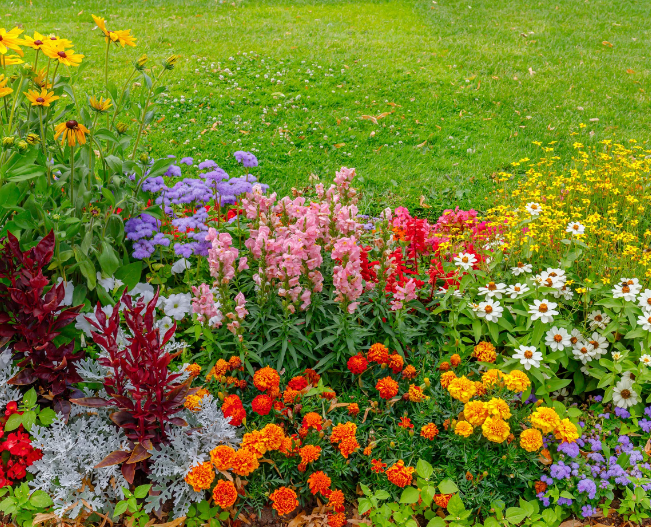
Creating a bee-friendly garden is a rewarding endeavor that supports the vital role bees play in our ecosystem. With the decline of bee populations worldwide, it’s more important than ever to design gardens that provide sustenance and habitat for these essential pollinators.
1. Choosing the Right Plants
Selecting the right plants is foundational in creating a bee-friendly garden. Bees are attracted to native plants that have evolved alongside them, offering the nectar and pollen they need to thrive. For instance, wildflowers such as coneflowers and black-eyed Susans not only beautify your garden but also serve as a food source. Including a variety of blooming times is essential; this ensures that there are flowers available from early spring to late fall.
Additionally, consider planting clumps of flowers instead of single plants. Clumping improves visibility and accessibility for bees, making it easier for them to forage. Think about incorporating herbs like lavender and mint, which also attract bees. These edible plants add beauty and practicality to your garden.
-
- Opt for native plants known to attract local bee species.
-
- Include a variety of flowers that bloom at different times.
-
- Plant in groups or clumps to optimize foraging.
-
- Incorporate herbs that attract bees, such as lavender and mint.
-
- Research your local bee species to identify their preferred plants.
2. Providing Water Sources
In addition to food, bees need water to survive. Including a water source in your garden can significantly enhance its attractiveness to bees. A shallow birdbath filled with pebbles or marbles provides a safe landing platform for bees to drink from without risk of drowning. Ensure the water is fresh and changed regularly to prevent mosquito breeding.
Moreover, another creative approach could involve placing small, shallow dishes filled with water and floating flower petals. This not only makes an inviting watering hole but also adds a splash of color to your garden. Remember, a diverse water source is a simple yet effective method to boost bee activity.
-
- Create a shallow water source, like a birdbath or dish.
-
- Change the water regularly to keep it fresh.
-
- Use pebbles to provide safe landing spots for bees.
-
- Add floating petals for aesthetic appeal and encouragement.
-
- Place water sources near flowering plants for easy access.
3. Avoiding Pesticides and Chemicals
The use of pesticides poses a significant threat to bee populations. Chemicals can be toxic to bees, often leading to death or reproductive issues. To create a bee-friendly garden, it’s crucial to avoid synthetic pesticides and opt for natural pest control methods instead. You might consider practices such as introducing beneficial insects like ladybugs and praying mantises that feed on common garden pests.
In addition, implementing companion planting can create a natural defense system. For example, planting marigolds alongside tomatoes can deter pests without harming bees. Organic pest control methods not only protect bees but also promote a healthier garden overall.
-
- Avoid using synthetic pesticides and chemicals.
-
- Implement natural pest control by introducing beneficial insects.
-
- Engage in companion planting for natural pest resistance.
-
- Monitor your garden regularly for pest issues instead.
-
- Educate yourself on organic gardening practices.
4. Creating Bee Habitats
Providing suitable habitats is vital for the survival of bees. You can create nesting sites for solitary bees, such as mason bees, by leaving hollow stems, small logs, or bee hotels in your garden. These can be easily made with small pieces of wood drilled with holes of varying diameters, inviting different bee species to take residence.
Moreover, consider leaving some areas of your garden a little untidy with some bare patches of soil or dying plant material. These areas can serve as important nesting habitats for ground-nesting bees. Embracing a less manicured garden aesthetic can be beneficial for both wildlife and your overall gardening goals.
-
- Construct bee hotels or leave hollow stems in the garden.
-
- Include logs or branches to create nesting opportunities.
-
- Leave patches of bare soil for ground-nesting bees.
-
- Limit cleanup to create a more natural environment.
-
- Educate family and friends about the importance of bee habitats.
Designing a bee-friendly garden not only supports these remarkable creatures but also enriches your outdoor space. Take the time to incorporate these tips and enjoy watching your garden flourish with buzzing activity. By fostering a bee-friendly environment, you contribute to the overall health of our ecosystem.