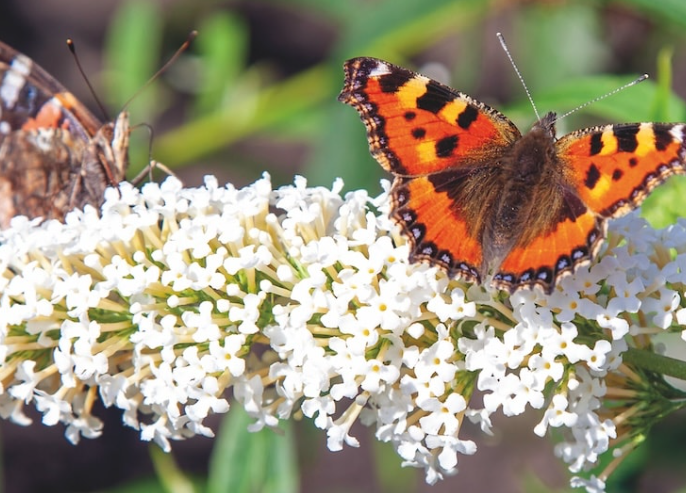
Creating a butterfly garden not only beautifies your landscape but also supports local ecosystems. By providing specific plants that attract butterflies, you can enjoy watching these vibrant creatures fluttering around your yard while contributing to the health of the environment.
1. Milkweed: The Essential Plant
Milkweed is known as the host plant for the iconic Monarch butterfly. Its leaves are the sole food source for Monarch caterpillars, making it a vital component of any butterfly garden. Plus, milkweed produces beautiful clusters of pink or white flowers that attract adult butterflies and other pollinators. When selecting milkweed, ensure that you choose native varieties to your region for the best chances of attracting local butterflies.
Planting milkweed is easy and rewarding. It thrives in well-drained soil and can tolerate both sunny and partially shaded areas. The plant also requires minimal care once established, making it an ideal choice for beginner gardeners looking to add butterfly-friendly plants to their yards.
-
- Choose native milkweed varieties for local butterfly populations.
-
- Plant in well-drained soil with full sun to partial shade.
-
- Water regularly during the establishment phase.
-
- Consider spacing plants about 12-24 inches apart for optimal growth.
2. Coneflower: A Colorful Nectar Source
Coneflowers, or Echinacea, are vibrant, hardy perennials that not only add color to your garden but also serve as a critical nectar source for butterflies. These flowers bloom throughout the summer and into early fall, providing a long-lasting food supply. They come in various shades of pink, purple, and white, making them an aesthetically pleasing choice for any garden design.
These plants are drought-resistant and attract a variety of pollinators aside from butterflies, contributing to biodiversity. Coneflowers are relatively low-maintenance and can thrive in poor soil conditions, which makes them perfect for gardeners looking for easy-care plants.
-
- Plant in groups for a more appealing display.
-
- Deadhead spent flowers to encourage more blooms.
-
- Choose a sunny spot to maximize flower production.
-
- Consider companion planting with other butterfly-friendly flora.
3. Butterfly Bush: A Nectar Magnet
The aptly named Butterfly Bush (Buddleia) is famous for attracting butterflies from miles around due to its highly fragrant blossoms. This perennial shrub can grow quite tall and produces long spikes of flowers in various colors, often from summer through fall. It’s especially attractive to tiger swallowtails and painted ladies, making it a must-have in any butterfly garden.
Butterfly bushes are relatively easy to maintain and thrive in full sun. They are drought-tolerant and can adapt to a variety of soil types, which makes them suitable for different gardening environments. However, be aware that they can be invasive in certain regions, so it’s best to do a bit of research before planting.
-
- Choose non-invasive varieties to avoid overwhelming your garden.
-
- Prune annually in late winter for healthy growth.
-
- Plant in full sun for maximum flowering.
-
- Consider grouping them with other nectar-producing plants.
4. Zinnias: Bright and Cheerful
Zinnias are annual flowers that provide bursts of color throughout the gardening season. Known for their easy cultivation and adaptability, they attract not just butterflies but also bees and other pollinators. Their wide variety of colors and sizes makes them a versatile choice for any garden layout, allowing you to mix and match with other plants.
This plant thrives in full sun and well-drained soil, making it relatively low-maintenance. Zinnias also bloom profusely, ensuring a steady supply of nectar for hungry butterflies. Since they are annuals, they will need to be replanted each year, but their vibrant colors make them worth the effort.
-
- Plant in sunny locations for optimal growth.
-
- Deadhead regularly to encourage continuous blooming.
-
- Use organic mulch to retain soil moisture.
-
- Consider planting a mix of heights for visual appeal.
5. Lantana: A Tropical Touch
Lantana is a hardy perennial or annual, depending on the climate, known for its clusters of small, colorful flowers that butterflies absolutely adore. These flowers come in many shades, including yellow, orange, red, and pink, providing an eye-catching addition to your butterfly garden. Lantana is particularly attractive to a range of butterfly species, making it a valuable addition to your garden.
Thoroughly drought-resistant, lantana thrives in sunny, dry spots and can tolerate poor soil conditions. However, it can be invasive in some areas, so it’s crucial to monitor its growth and manage it accordingly. With minimal pruning, this plant can bloom well into the fall, providing sustenance for butterflies while extending the beauty of your garden.
-
- Consider installing barriers to prevent spread in invasive regions.
-
- Water sparingly once established to avoid root rot.
-
- Cut back in late winter to promote new growth.
-
- Mix with annuals for added color and diversity.
Creating a butterfly garden requires thoughtful selection of plants that cater to the needs of these beautiful insects. By incorporating a variety of nectar and host plants, you can transform your yard into a vibrant sanctuary for butterflies. Start small, research native options, and enjoy the process of building your butterfly haven!