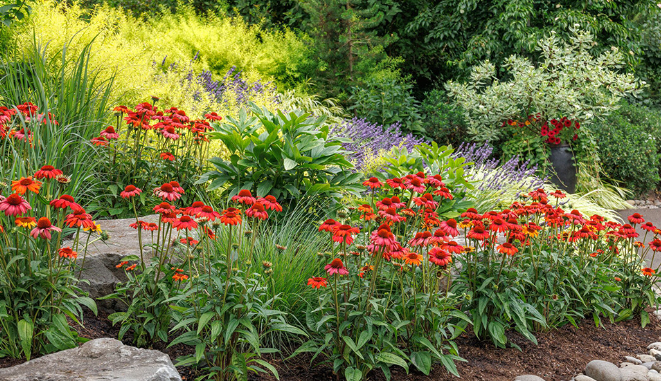
Creating a pollinator garden in a small space is not only feasible but can also be incredibly rewarding. These gardens attract essential pollinators like bees, butterflies, and hummingbirds, which play a key role in the health of ecosystems. With the right plant choices and a bit of planning, anyone can cultivate a vibrant sanctuary, no matter their space constraints.
1. Choosing the Right Pollinator Plants
When selecting plants for your pollinator garden, focus on native species, which are best suited to your local climate and soil conditions. Native plants often provide the most effective pollen and nectar, attracting a wider range of pollinators. Some excellent choices might include lavender, coneflowers, and milkweed, all of which are attractive to various insects and birds.
In addition to native plants, consider planting flowers in clusters rather than single specimens. This approach helps create a more inviting environment for pollinators by providing easily accessible food sources. Mix annuals and perennials for continuous blooms throughout the growing season, ensuring that your garden remains attractive to pollinators from spring through fall.
-
- Research local native plants that attract pollinators.
-
- Opt for clusters of plants to make them more inviting.
-
- Mix both annual and perennial flowers for variety.
-
- Consider the bloom times to ensure year-round interest.
2. Designing for Small Spaces
When working with limited space, vertical gardening can be a game-changer. Use trellises or wall-mounted planters to maximize your available area. Climbing plants like sweet peas or morning glories can grow upwards, freeing up ground space for other plants while still attracting pollinators at various levels.
Incorporating various garden styles can also be effective. Consider raised beds, containers, or even hanging baskets, which can add dimensions to your garden design. By utilizing all available vertical and horizontal space, you can create a lush, diverse environment that appeals to pollinators while fitting neatly into your small area.
-
- Use vertical gardening techniques like trellises.
-
- Incorporate containers for flexibility.
-
- Consider raised beds to maximize space.
-
- Alternate plant heights for visual interest and accessibility.
3. Maintaining Your Pollinator Garden
Maintaining your pollinator garden is crucial to its success, especially in a small space where resources may be limited. Regularly check for weeds, pests, and diseases to keep your plants healthy. Organic gardening practices, such as using insecticidal soap or neem oil, can help manage pest issues while being safe for beneficial insects.
Watering is another key maintenance task. Pollinator plants generally prefer a well-drained soil that doesn’t retain too much moisture. Establish a watering schedule based on your local climate, ensuring that your plants receive adequate hydration without over-watering, which could lead to root rot.
-
- Regularly inspect for weeds and pests.
-
- Utilize organic methods for pest control.
-
- Establish a watering routine based on the climate.
-
- Watch for signs of disease and take action promptly.
4. Creating a Pollinator-Friendly Environment
Beyond plants, creating a supportive habitat for pollinators involves incorporating elements that provide shelter and nesting sites. Features like small rocks, brush piles, and even bee hotels can enhance the diversity of your garden. These alternative habitats encourage various species to visit and reside in your garden, increasing pollination success.
Reducing pesticide use is also essential for maintaining a healthy environment for pollinators. If you must use chemicals, try to apply them in the evening when pollinators are less active, and always follow application guidelines carefully. Fostering a chemical-free space will create a safer haven for all your small garden’s visitors.
-
- Add features like bee hotels and brush piles for shelter.
-
- Limit pesticide use to protect pollinators.
-
- Consider creating a water source, such as a birdbath.
-
- Encourage a diversity of species within your garden.
Starting a pollinator garden in a small space is a fantastic way to contribute to local ecosystems, enhance your outdoor experience, and enjoy the beauty of nature. With thoughtful planning and care, you can create a thriving environment for these vital creatures. So gather your supplies, select your favorite plants, and start cultivating your pollinator-friendly oasis today!