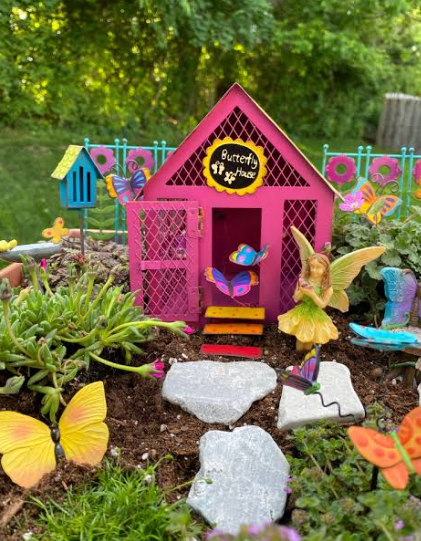
Creating a cottage style butterfly garden is a delightful way to bring color and life to your outdoor space. With their charming, rustic look and vibrant flowers, these gardens attract butterflies and other pollinators, offering a beautiful ecosystem right in your backyard.
1. Choosing the Right Plants
To make your butterfly garden thrive, start by selecting a variety of nectar-rich plants. Butterflies are drawn to specific colors and fragrances, so including a mix of annuals and perennials can yield the best results. Some popular choices are coneflowers, milkweed, and butterfly bushes, which not only attract butterflies, but provide shelter as well.
Consider also the different blooming times of your plants. By combining species that blossom in spring, summer, and fall, you’ll ensure a continuous food supply for butterflies throughout the growing seasons. Native plants are typically the best choice as they are adapted to the local climate and soil conditions.
-
- Select a mix of annual and perennial plants.
-
- Include plants that bloom at various times of the year.
-
- Choose native plants to promote local biodiversity.
-
- Incorporate a variety of colors to attract various butterfly species.
-
- Research butterfly host plants for caterpillars.
2. Designing Your Garden Layout
Once you’ve selected your plants, the next step is to design the layout of your butterfly garden. Traditional cottage garden design usually features an informal, slightly chaotic arrangement that feels natural and inviting. Try grouping plants in clusters rather than straight rows, and mix higher plants with shorter ones for a layered effect.
Include pathways or stepping stones to guide visitors through the space, allowing them to appreciate the beauty of the flowers up close. Incorporating seating areas or a bench can create a peaceful space for you to relax and enjoy the fluttering butterflies.
-
- Group plants in clusters for a natural look.
-
- Create layers by mixing tall and short plants.
-
- Add pathways using stones or mulch.
-
- Incorporate seating for relaxation and observation.
-
- Design a layout that allows butterflies to access all plants easily.
3. Maintenance and Care
Maintaining your butterfly garden is essential for ensuring its health and attractiveness to wildlife. Regular watering, especially in dry spells, helps keep your plants vibrant. Consider adding organic mulch around your plants to retain moisture and suppress weeds, allowing your flowers to flourish.
Additionally, avoid using chemical pesticides and herbicides. These can be harmful not only to butterflies but also to other beneficial insects and the overall ecosystem. Instead, opt for natural pest management techniques such as introducing beneficial insects or using neem oil as a safer alternative.
-
- Water your plants regularly, especially during dry spells.
-
- Add mulch to help retain moisture.
-
- Avoid chemical pesticides and herbicides.
-
- Introduce beneficial insects to control pests naturally.
-
- Remove dead or diseased plants promptly to maintain health.
4. Enhancing the Butterfly Experience
To make your garden even more inviting for butterflies, consider adding features that will attract them. Creating sunny spots is ideal since butterflies often bask in the sun. You could install a flat stone or a small open area where they can warm themselves.
Watering stations are also a great addition. A shallow pan filled with sand and water provides the perfect spot for butterflies to drink, while ensuring they can perch without the risk of drowning. These small enhancements can significantly increase the butterfly activities in your garden.
-
- Add flat stones for sunbathing spots.
-
- Create shallow water stations with sand and water.
-
- Include a diversity of plants for varied habitats.
-
- Maintain sunny and sheltered areas for temperature regulation.
-
- Monitor the garden for butterfly activity; adjust if necessary.
5. Attracting a Variety of Species
If your goal is to attract a diverse array of butterfly species, incorporate plants that cater to different types. For example, monarchs are drawn to milkweed for laying their eggs, while swallowtails gravitate towards flowering herbs like dill and parsley. Researching local butterfly species will help tailor your garden to their preferences.
In addition to plants, providing shelter in the form of shrubs and ground cover can create an environment where butterflies feel safe from predators. Certain plants like fennel and rue also serve as host plants for caterpillars, helping complete the lifecycle from egg to butterfly in your garden.
-
- Research local butterfly species to find suitable host plants.
-
- Include plants that cater to different butterfly types.
-
- Provide shelter with shrubs and ground cover.
-
- Maintain different heights and shapes for more habitats.
-
- Track the species visiting your garden for future planning.
Creating a cottage style butterfly garden is not only a rewarding endeavor but also an important step towards supporting local ecosystems. Enjoy the process of gardening and the beautiful visitors it attracts, and consider sharing your experiences with neighbors and friends to spread the joy of butterfly gardening.