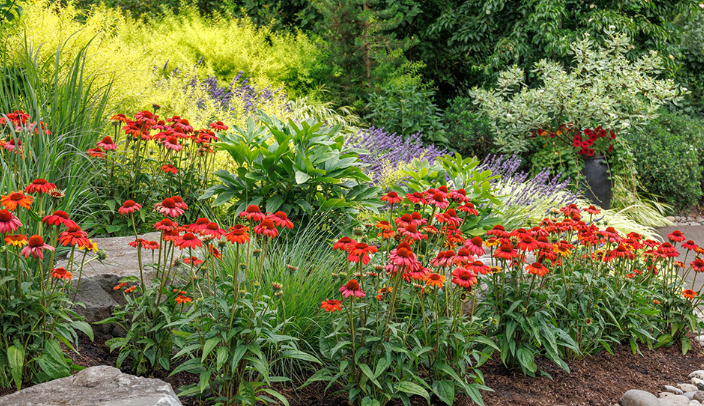
Creating a natural pollinator garden is a rewarding way to support biodiversity while beautifying your outdoor spaces. Pollinators, such as bees, butterflies, and hummingbirds, play a vital role in the ecosystem, and providing them with a welcoming habitat can enhance both your garden and the planet.
1. Choose the Right Plants
The foundation of a successful pollinator garden lies in selecting plants that attract a variety of pollinators throughout different seasons. Native plants are particularly beneficial, as they have adapted to local climates and ecosystems, making them more attractive to native pollinators. For example, planting coneflowers, bee balm, and black-eyed Susans can create vibrant patches that draw in bees and butterflies from spring through fall.
In addition to native flowers, consider including a mix of flowering shrubs and trees that offer nectar and pollen. Some excellent choices are serviceberry, redbud, and black cherry. These plants not only provide food for pollinators but also contribute to the overall structure and beauty of your garden.
-
- Research native plants specific to your region.
-
- Choose a variety of colors and shapes to attract diverse pollinators.
-
- Ensure a continuous bloom by selecting early, mid, and late-season flowering plants.
-
- Group plants in clusters rather than single specimens for better visibility.
2. Create a Habitat for Pollinators
A well-thought-out habitat can make your garden a sanctuary for pollinators. Incorporate elements like nesting sites and water sources to provide an inviting environment. For instance, leaving areas of bare ground can attract ground-nesting bees, while adding brush piles or dead wood can offer shelter for solitary bees and butterflies.
Water sources are essential, especially in dry seasons. Simple solutions like bird baths or shallow dishes filled with stones and water can provide pollinators with a reliable drinking spot. Just ensure any water source has stones or pebbles for pollinators to perch on, as they can drown in deep water.
-
- Leave patches of bare soil in your garden for nesting.
-
- Add native shrubs and trees to provide shelter.
-
- Install shallow water sources with safe perches.
-
- Avoid using pesticides that can harm pollinators.
3. Implement Sustainable Practices
To ensure your pollinator garden flourishes and remains inviting, adopt sustainable gardening practices that support the long-term health of your plants and pollinators. Composting is an excellent way to enrich your soil naturally, reducing the need for chemical fertilizers that can harm pollinators. You can create a compost bin with kitchen scraps and yard waste, allowing organic matter to break down into nutrient-rich soil.
Additionally, consider adopting organic pest management techniques. This includes handpicking pests, using insecticidal soap, or introducing beneficial insects like ladybugs that naturally control harmful pests. These sustainable practices can help maintain a thriving garden that benefits not only pollinators but also your overall gardening experience.
-
- Create a compost bin to recycle organic waste.
-
- Practice integrated pest management (IPM) techniques.
-
- Use natural fertilizers like compost or manure instead of chemicals.
-
- Encourage biodiversity by planting diverse species.
4. Educate and Inspire Others
Your natural pollinator garden can serve as a source of inspiration for neighbors and friends interested in conservation efforts. Hosting garden tours or workshops can help share knowledge about the importance of pollinators and practical gardening tips. Creating informative signage in your garden can also educate passersby about the types of plants and pollinators they might observe.
By cultivating a community around pollinator gardening, you can significantly amplify your impact. Encourage friends to join in and start their own gardens, fostering a local network committed to supporting pollinators. Collaborative efforts can lead to greater awareness and improved habitats across neighborhoods.
-
- Invite friends over for gardening tours and share your insights.
-
- Create educational materials highlighting native plants and pollinators.
-
- Engage your local community in planting days.
-
- Utilize social media to share your gardening successes and tips.
Creating a natural pollinator garden not only supports vital pollinator populations but also enriches your gardening experience. Embrace the journey by starting today, whether it’s by choosing the right plants, creating a welcoming habitat, or inspiring your community to participate in this essential effort. Together, we can cultivate gardens that thrive and support the incredible biodiversity around us.