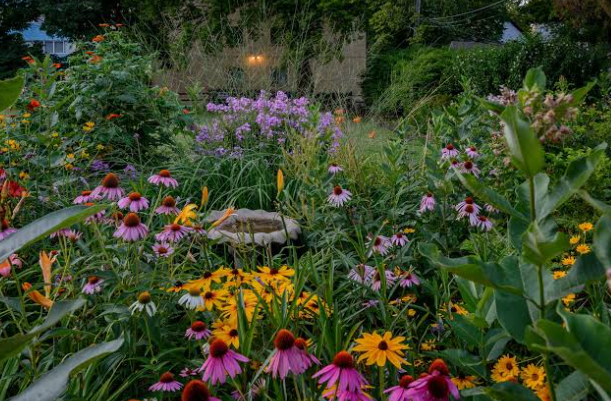
Creating a backyard pollinator habitat is a rewarding way to support essential insects like bees, butterflies, and hummingbirds. Not only does this effort help improve the ecosystem, but it also enhances the beauty of your outdoor space. Here, we will explore some engaging ideas that will inspire you to develop your own pollinator-friendly garden.
1. Choose Native Plants
One of the best ways to attract pollinators is by incorporating native plants into your garden. Native plants have evolved alongside local pollinators, making them more attractive and nutritious for these important creatures. For instance, planting Milkweed can attract Monarch butterflies, while Coneflowers are a favorite among bees. Aim for a variety of plants that bloom at different times to provide a continuous source of nectar throughout the growing season.
In addition to being more resistant to local diseases and pests, native plants typically require less water and maintenance than non-native species. When selecting your plants, consider the soil type, sun exposure, and moisture levels in your garden to ensure they will thrive. A well-planned layout can lead to a vibrant and diverse habitat that supports multiple species.
-
- Research local native plant species.
-
- Include a mix of early, mid, and late-blooming flowers.
-
- Group plants in clusters rather than solitary patches.
-
- Consider using plants that provide food for caterpillars as well.
-
- Limit the use of pesticides to protect pollinators.
2. Create Diverse Habitats
Pollinators thrive in diverse environments, so a one-size-fits-all approach won’t be effective. Incorporating various habitat types can support a broader range of species. This includes areas such as meadows, shrubs, and small water features. A small pond or birdbath can provide essential hydration, while dense shrubs can offer shelter for nesting and resting.
Another thoughtful addition is to include different heights and textures in your garden. Taller plants can provide coverage for smaller species, while shorter plants can thrive in open sunlight. Mulched areas can also provide a space for ground-nesting bees. The aim should be to create layers and textures that mimic a natural ecosystem.
-
- Add water sources like ponds or birdbaths.
-
- Incorporate rocks and logs for ground-nesting sites.
-
- Plant in layers to create vertical diversity.
-
- Designate a section of your garden as a natural meadow.
-
- Include a sunniest spot where pollinators can warm up.
3. Incorporate Pollinator Housing
Providing dedicated spaces for pollinators to nest can significantly enhance your backyard habitat. Different species have varying nesting preferences; for example, some bees will nest in the ground while others prefer hollow stems. Installing bee hotels can attract solitary bees that are excellent pollinators. You can also create small patches of bare soil for ground-nesting bees or leave some dead wood to attract beetles and other beneficial insects.
When creating pollinator housing, consider the types of pollinators in your area and tailor your structures accordingly. For instance, a simple bundle of hollow reeds can serve as a nesting site for mason bees. Remember to update and clean these structures regularly to maintain a healthy environment for your pollinators.
-
- Build or buy bee hotels with various tube sizes.
-
- Leave patches of bare soil for ground-nesting species.
-
- Ensure your structures are sheltered from rain and wind.
-
- Include a variety of nesting materials like wood and straw.
-
- Regularly check and clean the nests to prevent pests.
4. Reduce Chemicals and Monitor Pollinator Activity
One of the most impactful steps you can take to support pollinators is to minimize chemical use in your garden. Conventional pesticides and herbicides can be harmful to bees and other beneficial insects. Opt for organic gardening practices, such as the use of neem oil or insecticidal soap, to manage pests without risking harm to pollinators.
Additionally, consider keeping a journal or log to track your pollinator activity. Observing which species visit your garden can provide insights into what works best. This practice will not only enhance your understanding of the pollinator community in your area, but it can also help you make informed decisions for future planting and habitat creation.
-
- Avoid synthetic pesticides and herbicides.
-
- Use organic alternatives for pest management.
-
- Keep a garden journal to track pollinator visits.
-
- Set up a camera to document pollinator activity.
-
- Share your findings with local conservation groups.
Creating a pollinator-friendly backyard habitat can elevate your garden while contributing positively to the environment. By implementing these ideas, you’ll not only enjoy a more vibrant outdoor space but also support vital ecosystems. Don’t hesitate to dive into this endeavor and watch your garden thrive with pollinator activity!