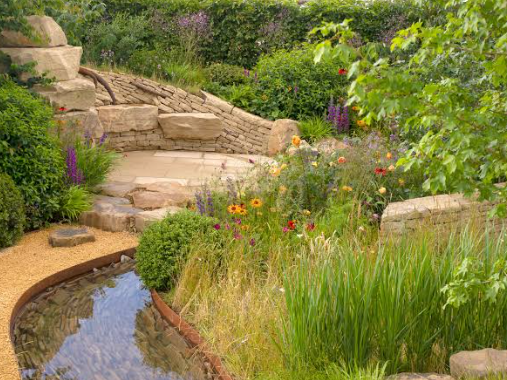
Creating a wildlife-friendly garden is a rewarding endeavor that supports local ecosystems while adding beauty to your outdoor space. By incorporating specific design elements and plant choices, you can turn your garden into a sanctuary for birds, insects, and other wildlife.
1. Choose Native Plants
Native plants are adapted to the local climate and soil conditions, making them easier to maintain. They provide essential food and habitat for local wildlife, including pollinators like bees and butterflies. For example, plants like coneflowers and milkweed attract not only butterflies but also other beneficial insects that help with pollination.
Planting a diverse selection of native species can create a vibrant and sustainable garden. Incorporate flowering plants, shrubs, and trees that offer shelter and food throughout the seasons. Doing so creates a natural habitat that supports local wildlife and nurtures a balanced ecosystem.
-
- Research native plants suitable for your hardiness zone.
-
- Include a variety of species for different seasons.
-
- Avoid invasive plant species that can harm local ecosystems.
-
- Group similar plants together for a more natural appearance.
-
- Consult local gardening groups for plant recommendations.
2. Create Water Sources
Providing a reliable water source is crucial for wildlife. Small ponds, birdbaths, or even water-filled containers can encourage birds, mammals, and beneficial insects to visit your garden. Ensure that the water source is shallow and has sloping sides to allow small animals easy access.
Consider adding aquatic plants to ponds to create a natural habitat and filter pollutants. Additionally, ensure the water is refreshed regularly to keep it clean and inviting. This simple addition can be a fantastic way to make your garden a lively gathering place for various species.
-
- Install a small pond or container with water.
-
- Regularly change the water to keep it fresh.
-
- Add plants around the water source for shade and shelter.
-
- Include stones or branches for perching birds.
-
- Use birdbaths that are easy to clean and maintain.
3. Provide Shelter and Nesting Areas
Creating shelters such as hedges, shrubs, and rock piles can offer refuge and nesting sites for wildlife. Birds, for instance, prefer dense shrubs for nesting and protection from predators. Incorporating elements like birdhouses can also attract various avian species to your garden.
Furthermore, consider leaving some natural debris, like fallen leaves or logs, to provide habitat for insects and small animals. This not only enriches the soil as they decompose but also creates a natural environment that supports a diverse wildlife community.
-
- Plant dense shrubs and cluster plants to form natural barriers.
-
- Install birdhouses appropriate for local species.
-
- Leave some areas of your garden “wild” for natural wildlife habitats.
-
- Use native grasses to form natural boundaries and nesting areas.
-
- Ensure that shelters are safe from common pests and predators.
4. Limit Chemical Usage
Using chemicals in your garden can have detrimental effects on wildlife. Pesticides and herbicides can kill beneficial insects and disrupt the natural balance of your ecosystem. Opting for organic gardening practices helps protect these valuable species while still maintaining the health of your plants.
Instead of chemical treatments, consider natural solutions like companion planting or introducing beneficial insects like ladybugs and lacewings to combat pests. This approach promotes a healthy garden ecosystem while supporting local wildlife and minimizing chemical exposure.
-
- Research organic pest control methods suitable for your plants.
-
- Use companion plants to naturally deter pests.
-
- Avoid using herbicides and pesticides when possible.
-
- Encourage natural predators by providing adequate habitats.
-
- Practice crop rotation to prevent pest buildup.
5. Maintain Seasonal Interest
To attract a wide variety of wildlife, it’s essential to ensure your garden remains interesting throughout the year. Planting flowers that bloom in different seasons allows for continuous food sources for pollinators and wildlife. For example, crocuses and snowdrops bloom in early spring, while asters and goldenrods offer food in the fall.
Additionally, consider the seasonal changes in your garden by incorporating evergreens and deciduous plants. This diversity not only supports wildlife but can keep your garden visually appealing, providing a lush environment all year round.
-
- Plant species that bloom in different seasons.
-
- Incorporate evergreens for year-round interest.
-
- Plan for seasonal changes in your garden’s structure.
-
- Prune plants effectively to encourage healthy growth.
-
- Consider planting winter flowering plants for additional interest.
Creating a wildlife-friendly garden is a fulfilling project that not only beautifies your space but also supports essential ecosystems. Start implementing these strategies today, and you’ll soon enjoy watching a vibrant array of wildlife thrive in your own backyard!