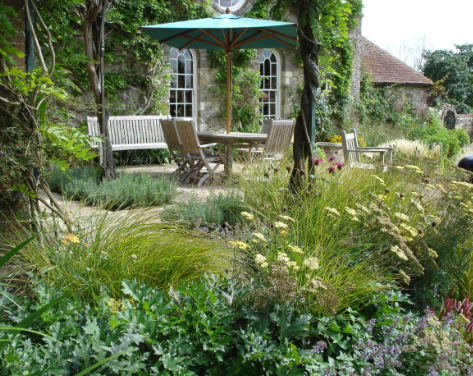
Creating a low maintenance pollinator garden not only supports essential wildlife but also adds beauty to your outdoor space. By incorporating native plants and minimizing upkeep, you can enjoy a flourishing garden with less effort. Here’s how to design a sustainable garden that attracts pollinators while keeping maintenance to a minimum.
1. Choosing the Right Plants
One of the keys to a successful low maintenance pollinator garden is selecting the right plants. Native plants are adapted to your local climate and soil conditions, making them more resilient and less prone to pests and diseases. Consider species like coneflowers, milkweed, and black-eyed Susans, which thrive with minimal care and are favored by bees, butterflies, and other pollinators.
When choosing plants, it’s also vital to create a diverse selection. A mix of flowering plants that bloom at different times throughout the growing season ensures that pollinators have a constant food source. You might also include plants that provide nectar and pollen, as well as those that offer shelter and breeding spaces.
-
- Research local native plants suitable for your area.
-
- Choose a variety of shapes and blooming times for continuous blooms.
-
- Group plants in clusters to make it easier for pollinators to find them.
-
- Avoid invasive species that can disrupt local ecosystems.
2. Planning Your Garden Layout
Designing a layout that minimizes maintenance is crucial for a successful pollinator garden. Start by mapping out your space to create pathways and designated planting areas. Group plants by their water needs to prevent overwatering and promote healthy growth. Consider placing drought-tolerant plants together, as well as shade-loving plants in more sheltered spots, to optimize their growth.
Another aspect to consider is sun exposure. Most flowering plants require at least six hours of sunlight daily. In shady areas, opt for shade-tolerant native plants. Additionally, plan for a few focal points, like a birdbath or boulders, which can add visual interest while serving as habitats for pollinators.
-
- Sketch a layout to visualize plant placements.
-
- Mix in hardscaping elements for reduced maintenance.
-
- Establish a central path for easy access and care.
-
- Ensure good sun exposure by observing sun movement throughout the day.
3. Mulching and Irrigation Techniques
Effective mulching significantly reduces maintenance in your garden while benefiting the plants. A layer of organic mulch, such as shredded bark or straw, can help retain soil moisture, suppress weeds, and regulate soil temperature. Aim for a layer of 2-4 inches, taking care to keep mulch away from the base of your plants to avoid rot.
In addition, consider using a drip irrigation system or soaker hoses. These methods reduce water usage and provide consistent moisture directly to the root zone. They also minimize the time you spend hand watering, allowing for a low-maintenance experience.
-
- Apply organic mulch to suppress weeds and retain moisture.
-
- Monitor moisture levels to ensure plants are watered adequately.
-
- Consider automated irrigation systems for less frequent watering.
-
- Replenish mulch annually to maintain effectiveness.
4. Encouraging Biodiversity
Incorporating elements that enhance biodiversity is essential for a thriving pollinator garden. Provide habitats by installing bee hotels and leaving some areas of your garden a little wild. These spaces encourage beneficial insects and other wildlife while offering protection and breeding spots for pollinators.
Also, avoid chemical fertilizers and pesticides that harm friendly insects. Instead, use organic methods or companion planting to deter pests naturally. By building a habitat where various species can coexist, your garden becomes an inviting oasis for pollinators.
-
- Install bee hotels to attract solitary bees.
-
- Leave some areas of plants and brush for shelter.
-
- Avoid harmful chemicals to preserve pollinator health.
-
- Plant a variety of flowers to attract different species.
5. Seasonal Maintenance Tips
Seasonal upkeep can be minimal if planned correctly. In spring, a quick check for dead plants and a bit of light pruning is generally all that’s needed. Clear away any debris to make way for new growth. Consider adding compost or organic fertilizers to give your plants an extra boost for the growing season without much effort.
As winter approaches, leave seed heads on perennials for birds and critters. This not only provides winter food but also creates a natural aesthetic in your garden. Additional care, such as protecting delicate plants during harsh weather, can be achieved with burlap or similar materials.
-
- Perform light pruning in early spring.
-
- Add compost for nutrient boosts when needed.
-
- Leave seed heads for wildlife during winter months.
-
- Cover delicate plants during extreme cold.
Creating a low maintenance pollinator garden is both simple and rewarding. By choosing the right plants, planning your layout wisely, and incorporating sustainable practices, you can attract beneficial insects while enjoying an easy-care green space. Start planning your garden today and contribute to a healthier ecosystem!