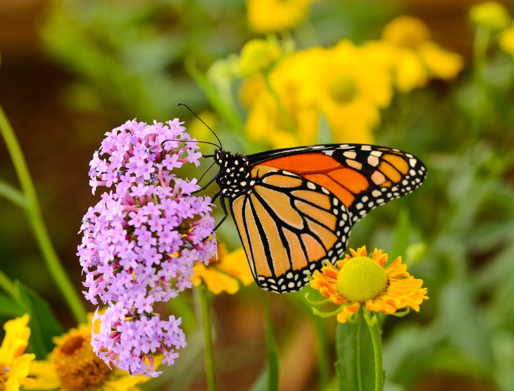
Create a haven for butterflies in your own backyard with delightful decorations that invite these beautiful creatures to visit. Incorporating vibrant colors and inviting spaces, a butterfly garden can be both a sanctuary for wildlife and an owner’s pride. Let’s explore some creative decoration ideas to make your butterfly garden not only functional but also visually stunning.
1. Colorful Flower Beds and Borders
One of the most effective ways to attract butterflies is by planting colorful flowers. Choosing a variety of blooms that flower at different times throughout the season ensures that your garden remains vibrant and inviting. Opt for plants that are known to attract butterflies, such as lantana, milkweed, and coneflowers. Arrange these flowers in clusters for a visually stimulating effect that draws in more visitors.
To enhance the aesthetic appeal, consider creating borders around your flower beds using rocks or wooden pathways. These borders not only define spaces but can also prevent pests from entering your garden. Furthermore, raised flower beds can add dimension and can be easier to maintain, making it simpler for butterflies and gardeners to coexist peacefully.
-
- Choose native plants, as they attract local butterfly species.
-
- Plant clusters of the same species for better visibility.
-
- Incorporate flowering plants that bloom at different times.
-
- Use organic gardening practices to keep your flowers safe.
2. Butterfly Feeders and Baths
Butterfly feeders are a fantastic way to supplement the natural nectar sources in your garden. These can be commercially bought or homemade. Simply fill a shallow dish with a mix of sugar and water, allowing butterflies to access this sweet treat easily. Position the feeder near your flower beds to encourage butterflies to linger for snacks.
A butterfly bath can also be a stunning feature, providing a refreshing spot for these delicate creatures. Use flat, shallow dishes filled with water, supplemented by a few stones for perching. Adding pebbles not only adds a decorative touch but also gives butterflies a safe spot to land while they take a drink. Ensure the bath is not too deep, as butterflies are vulnerable to drowning.
-
- Create a homemade nectar solution using sugar and water.
-
- Position feeders near nectar-rich flowers.
-
- Ensure your butterfly bath is shallow with landing spots.
-
- Regularly clean feeders and baths to prevent mold.
3. Decorative Elements and Features
Integrate decorative elements that not only beautify your garden but also enhance the habitats for butterflies. Consider setting up colorful garden ornaments or handmade art pieces that capture and reflect sunlight. Wind chimes can add a gentle sound that might intrigue butterflies, inviting them closer to your decorative arrangements.
Additionally, natural materials like logs, stones, or bamboo can serve as rustic aesthetic features. Create small butterfly houses made from hollow bamboo sticks or logs with a little funnel at the entrance. These inviting spaces can provide shelter and promote the butterfly life cycle within your garden.
-
- Add decorative garden stakes or flags to introduce colors.
-
- Consider wind chimes to create a soothing atmosphere.
-
- Use natural elements like rocks for rustic charm.
-
- Build butterfly houses to give them a place to hide.
4. Engage with Educational Signage
Adding educational signage can transform your butterfly garden into an interactive learning space. Create charming signs that identify various flowers and the types of butterflies they attract. This not only serves as a decor element but also educates visitors, turning your personal space into a mini educational experience for kids and adults alike.
Consider using weather-resistant materials for these signs to ensure they last. Incorporating engaging facts about butterflies, their life cycles, and the importance of conservation can help foster a connection between visitors and nature. It can also inspire others to create similar environments in their homes.
-
- Design signs using weather-resistant materials for longevity.
-
- Include fun and educational facts about butterflies.
-
- Create a key featuring butterfly species and their flowers.
-
- Place signs strategically near relevant plants.
In conclusion, creating a butterfly garden filled with vibrant flowers, inviting feeders, and decorative elements is a rewarding project that can contribute to local biodiversity. Embrace the beauty of nature while providing a sanctuary for butterflies and an engaging space for your family—start planning and building your butterfly paradise today!