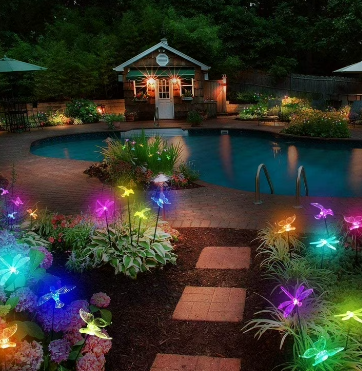
Creating a butterfly garden is a wonderful way to add beauty and life to your outdoor space. However, to fully enjoy this enchanting space after sunset, effective garden lighting is essential. In this blog post, we’ll explore how to illuminate your butterfly garden while making it an inviting haven for these beautiful creatures.
1. Understanding the Needs of Butterflies
Butterflies are attracted to gardens that offer a mix of nourishment and suitable habitats for resting. When it comes to garden lighting, it’s crucial to understand the impact unnecessary brightness can have on these delicate creatures. Harsh, direct lights can deter butterflies, while subtle, strategic lighting can enhance their habitat without disturbing their natural behaviors.
The right lighting can also encourage butterflies to visit your garden more frequently. For example, using soft yellow or orange lights can create a warm ambiance that mimics natural twilight, making it feel like a safe haven for butterflies. This can be beneficial, especially in the early evening when these insects are still active.
-
- Avoid using bright white lights, which can scare off butterflies.
-
- Opt for warm-toned bulbs to create a cozy atmosphere.
-
- Keep lighting low to the ground to avoid disturbing the butterflies.
-
- Minimize light pollution by using timers to turn lights off during peak butterfly activity times.
2. Types of Garden Lighting
Choosing the right types of lighting is essential to create a butterfly-friendly environment. Solar-powered lights are an excellent option, as they are eco-friendly, energy-efficient, and provide a soft glow without the need for wiring. Additionally, they come in various designs and can easily be moved around to highlight specific features of your garden.
String lights are another great addition, adding a whimsical touch to your butterfly garden. You can drape them along fences or wrap them around trees to create a magical atmosphere. However, be mindful to keep the lights low and avoid attracting insects that are not beneficial to the garden.
-
- Invest in solar-powered lights for easy installation and low maintenance.
-
- Consider LED string lights for added charm and energy efficiency.
-
- Place lights near nectar-rich plants to attract butterflies.
-
- Avoid glaring spotlights that can disrupt the natural nighttime environment.
3. Creating Zones within the Garden
Creating different zones in your butterfly garden can enhance both functionality and aesthetics. Consider designating areas for specific plants, seating, and lighting features. Each zone can have its lighting tailored to suit butterflies’ needs while also creating a cozy environment for you to enjoy.
For instance, a seating area illuminated with soft lanterns can be a peaceful spot for observing butterflies, while adjacent flower beds can be highlighted with subtle ground lighting. Designing these zones allows for a multi-layered approach to garden lighting that keeps your space interesting and vibrant.
-
- Identify key zones in your garden (seating, flower beds, etc.).
-
- Use different lighting for each zone to create a layered effect.
-
- Ensure that lighting enhances visibility without overwhelming the butterflies.
-
- Create pathways that guide visitors through illuminated zones for better exploration.
4. Maintenance Considerations
Once your garden is lit up and inviting, maintaining that light is crucial for preserving its charm. Regular maintenance of your lighting fixtures will ensure they remain functional and appealing. This includes cleaning fixtures, checking for blown bulbs, and ensuring that solar panels are free from debris.
Moreover, considering the seasonality of certain butterfly species can make maintenance more manageable. For instance, during butterfly migration seasons, lighting may need to be adjusted or even dimmed to accommodate changes in butterfly behavior. A little extra effort in maintenance goes a long way in ensuring butterflies keep returning!
-
- Regularly clean fixtures to maintain optimal light output.
-
- Check solar lights and panels for obstructions, especially after storms.
-
- Adjust lighting as necessary during seasonal butterfly migrations.
-
- Ensure all wiring is intact and safe, especially for electricity-powered lights.
5. Designing with Sustainability in Mind
Sustainability should be at the forefront of your garden lighting design. Use energy-efficient lighting like LED bulbs or solar options to minimize environmental impact. Not only will this provide a longer lifespan for your lights, but it will also help reduce energy costs and further offset your carbon footprint.
Additionally, incorporating native plants that require less water and maintenance can support a more sustainable ecosystem, encouraging butterflies and other beneficial insects to thrive. Choose natural materials for any lighting structures to blend status with the environment rather than detracting from its beauty.
-
- Select LED or solar lights for energy efficiency.
-
- Incorporate native plants as part of your garden design.
-
- Choose natural materials for lighting designs to blend in with the garden.
-
- Research eco-friendly options that support local wildlife sustainability.
In conclusion, illuminating your butterfly garden doesn’t need to be a daunting task. By focusing on the needs of butterflies, selecting appropriate lighting, designing unique garden zones, maintaining your fixtures, and embracing sustainability, you’ll create an inviting and thriving habitat. So, grab your garden tools and light up your outdoor space for both you and your fluttering friends!